Natural Infrastructure for Flood Mitigation
Climate change increases flood risk across the Prairies due to more frequent and intense rainfall. Natural infrastructure can help reduce flood impacts by capturing and slowing water, easing pressure on built systems.
The Prairies face growing risks from both overland and riverine flooding. Floods account for 37% of Canada's disaster costs since 1970, with the average cost of weather-related disasters rising from CAD 8 million in the 1970s to more than CAD 110 million in the 2010s—an increase of 1,250%! Changes in the climate causing wetter seasons and strong storms, alongside development patterns that increase flood risks, are making these costs rise quickly.
In cities and towns, buildings and paved surfaces increase the amount of runoff during heavy rainfall and can cause overland flooding that overwhelms sewers, damages property, and disrupts communities. Along rivers, heavy rain or runoff can overflow banks, flooding farmland, homes, and infrastructure—often worsened by upstream land use.
Traditional grey infrastructure—like storm sewers, berms, and dams—has long been a default for flood protection. On a city street, for example, grey infrastructure captures and directs rainwater to the stormwater system, aiming to remove it as quickly as possible. During large storms, heavy rainfall can overwhelm the capacity of the stormwater system, causing water to pool in streets, nearby buildings to flood, or sewers to backup in home basements.
On its own, grey infrastructure may not consider the function or dynamic nature of natural systems, leading to unintended consequences and missed opportunities. But nature can help.
By combining grey and natural infrastructure, we can create more resilient, cost-effective solutions that work with nature, not against it. Natural infrastructure applies natural processes to intercept, soak up, store, or slow down water to reduce peak flows, water volume, and water levels downstream.
Natural Infrastructure in Action for Flood Mitigation
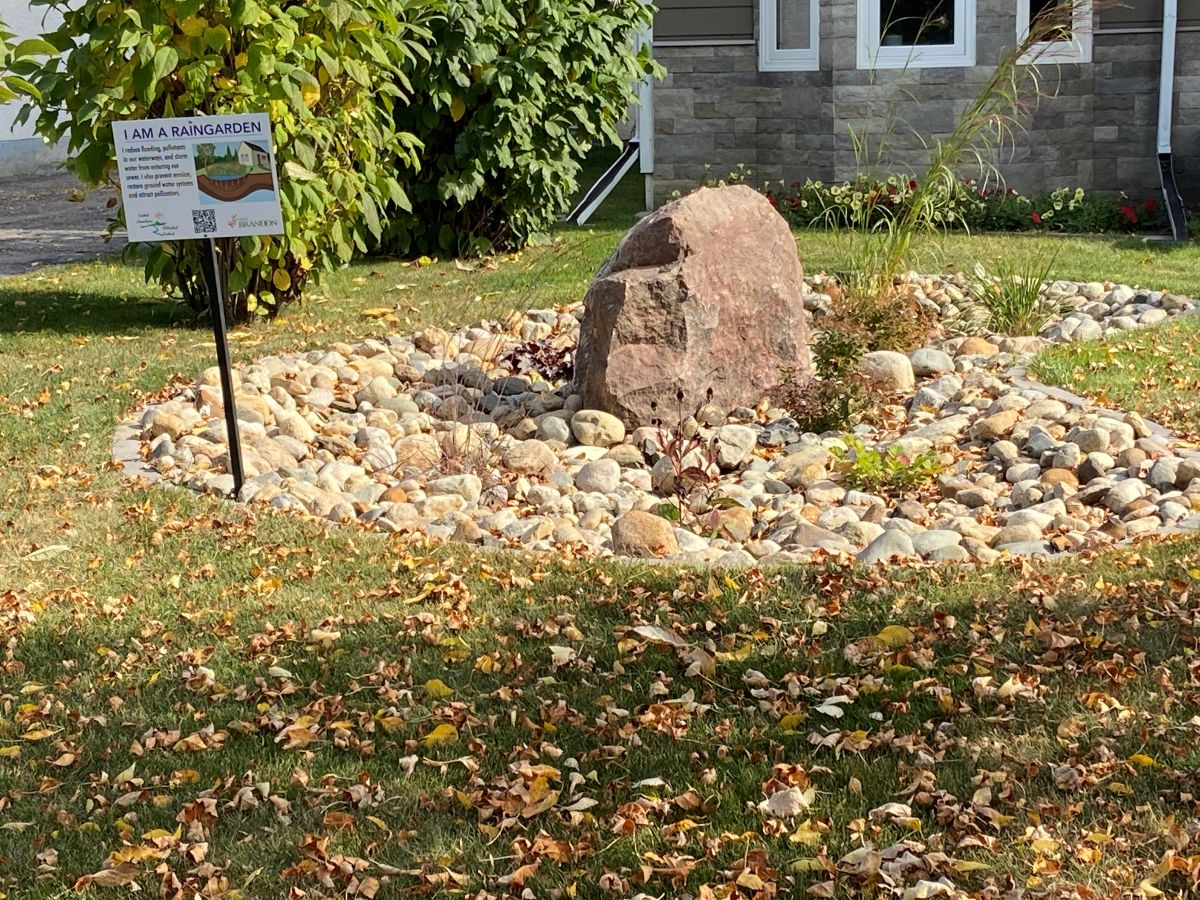
Rain gardens, like this one in Brandon, Manitoba, collect runoff from homes, reducing the volume of water entering the stormwater system as it is absorbed by plants, soaks into the surrounding soil, and evaporates. Rain gardens also support biodiversity with flowering perennials and grasses, providing pollinator habitat and adding beauty to the neighbourhood. (Photo credit: City of Brandon)
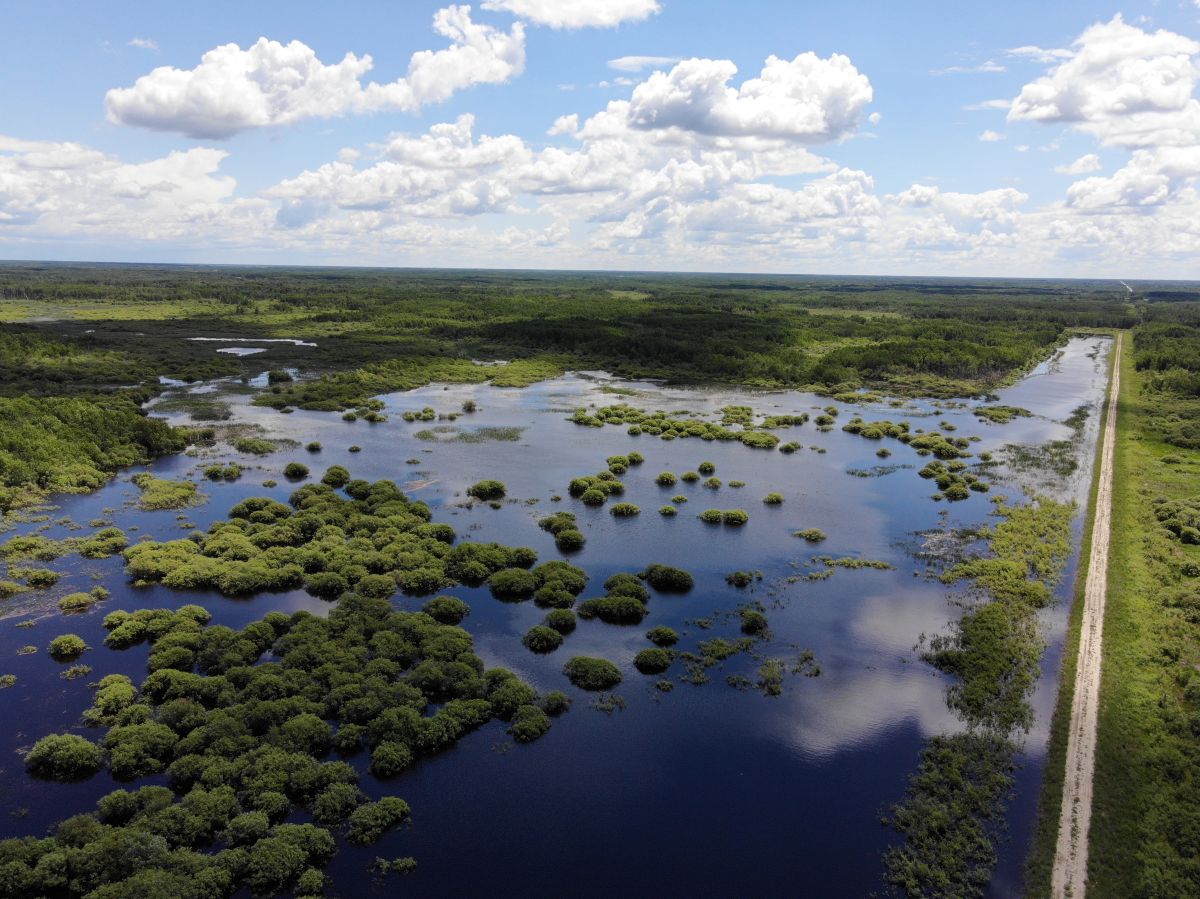
A constructed water retention site, which includes dams, culverts, and an emergency spillway, provides flood relief and reduces downstream erosion by capturing, storing, and gradually releasing snowmelt and rainfall. The above photo is from the Rural Municipality of De Salaberry, Manitoba, where the site retains water for weeks during high flow to help reduce flooding and maintains permanent pools of water during low flow, providing water quality improvements like phosphorus reduction.
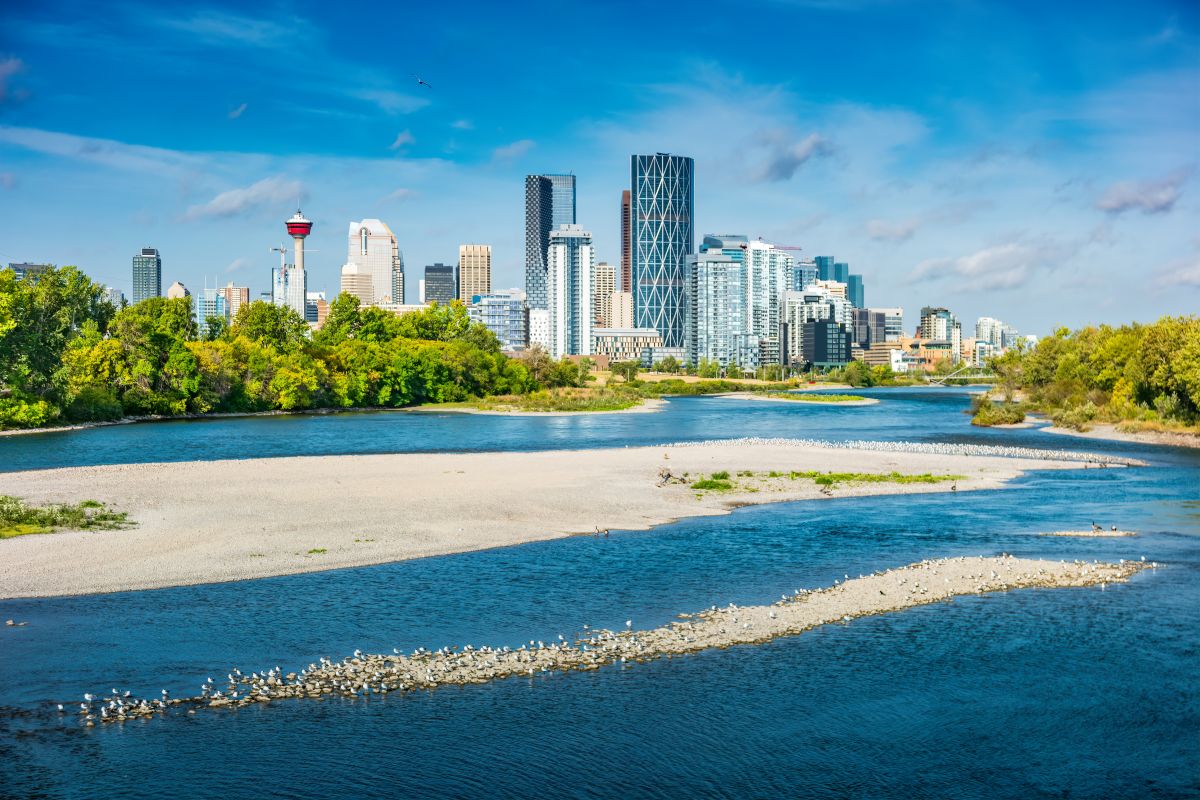
Riparian areas border streams, rivers, lakes, wetlands, or other waterways, separating drier, upland habitat from the water, with unique vegetation that protects the stream bank, slows waterflow, and filters water. The 2013 flood in Calgary, Alberta, showed that areas with intact riparian zones had very little damage compared to those with little vegetation or infrastructure. This spurred action for the protection of riparian areas. Riparian health assessments in Calgary show that riparian health is improving at most sites, thanks to restoration, management improvements, and the recovery of natural vegetation, which stabilizes the riverbank and slows the velocity of flood waters.
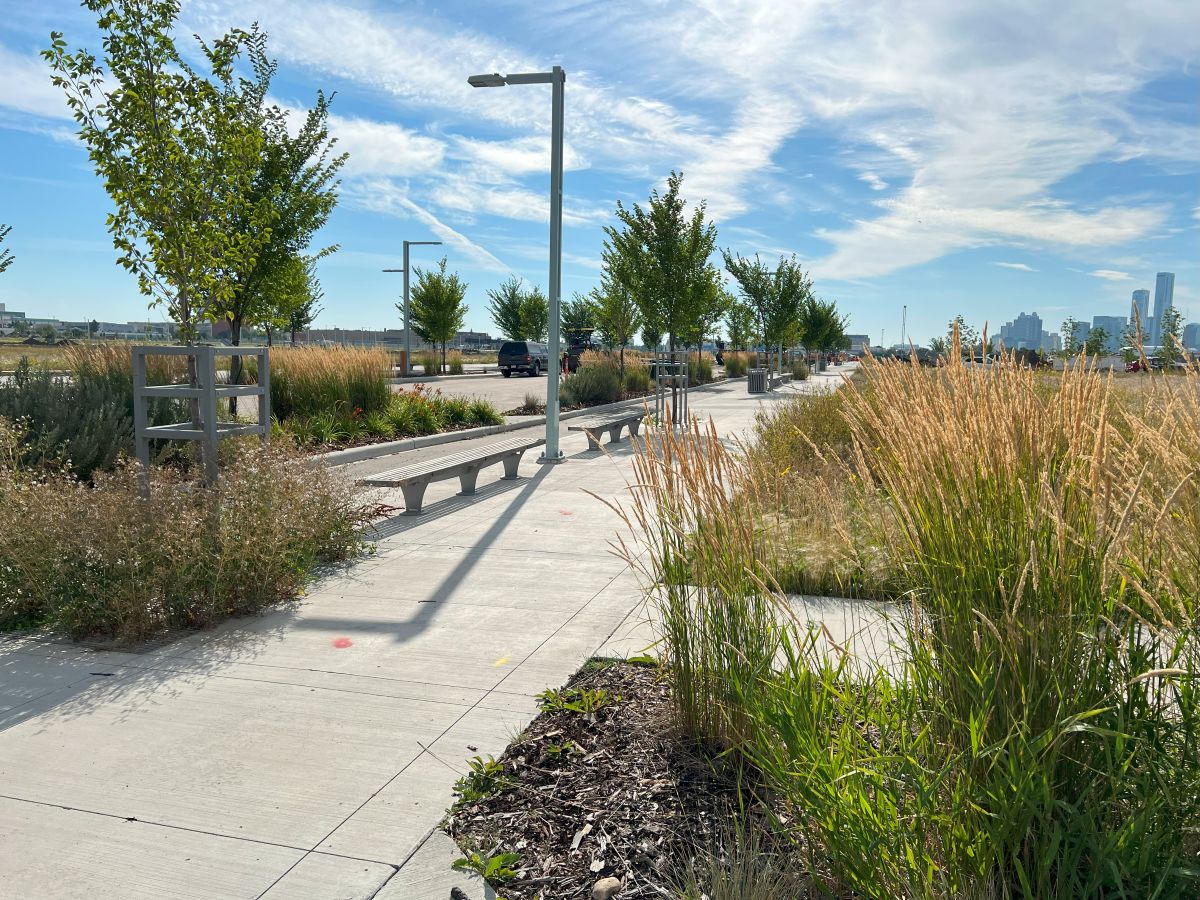
Soil cells are modular, plastic structural systems installed beneath paved surfaces, which can enhance the ability of the traditional stormwater system to manage rainfall and reduce the likelihood of sewer backups and street flooding. The Blatchford neighbourhood in Edmonton, Alberta, uses a stormwater management system with catch basins that direct runoff to soil cells, where it is absorbed and filtered by trees and vegetation. The community also benefits from healthy trees and plants, improved air quality, and added beauty.