Insight

Towards a Strategy for Implementing the 2030 Agenda for Sustainable Development in Canada

Canada is thus obliged, like other UN member states, to help achieve the SDGs both domestically and internationally by 2030. 

April 20, 2016

Canada has committed to helping the poorest and most vulnerable countries to implement the Sustainable Development Goals. Less clear is how Canada will achieve the goals at home. 

The 2030 Agenda for Sustainable Development was adopted by the UN General Assembly in September 2015. Since then, member states have started to explore how to implement its 17 Sustainable Development Goals (SDGs), with their 169 specific targets.

The 2030 Agenda is an “ambitious vision of the future for 2030,” requiring an equally ambitious vision for how our governance systems deal with the complexity and integration of all these interrelated goals and targets.

Canada is thus obliged, like other UN member states, to help achieve these goals both domestically and internationally by 2030. Prime Minister Trudeau has already asked Global Affairs Canada to deliver on “helping the poorest and most vulnerable, and supporting fragile states by supporting the implementation of the 2030 Agenda for Sustainable Development.” What is less clear is how Canada will implement the 2030 Agenda at home.

If adapted and tailored to our national context, the SDGs present a tremendous and timely domestic opportunity for the federal government to integrate its economic, social and environmental policies. Building on examples from other countries, the current Federal Sustainable Development Act and its related strategy could become the principal vehicle for the implementation of the 2030 Agenda for Sustainable Development in Canada.

As is common in other countries, the ministry focused on the environment in Canada also has the responsibility for sustainable development. Canada’s Federal Sustainable Development Act (2008) is worded as a legal framework to “make environmental decision-making more transparent and accountable to Parliament.”  It also mandates the creation of a Federal Sustainable Development Strategy (FSDS), which at this point is focused only on the environment and is led and monitored by Environment and Climate Change Canada.

Given this context, the next Federal Sustainable Development Strategy (FSDS) could guide the implementation of the 2030 Agenda in Canada. The draft FSDS for 2016–2019 is currently undergoing public consultation. The draft strategy covers five core areas, including: Taking Action on Climate Change; Clean Technology, Jobs and Innovation; National Parks, Protected Areas and Ecosystems; Freshwater and Oceans; and Human Health, Well-being and Quality of Life. These areas are already relevant for aspects of the 2030 Agenda, such as SDG 6 on water, SDG 9 on industry, innovation and infrastructure, and SDG 15 on life on land.

While FSDS 2016–2019 provides a great opportunity for SDG implementation, it must expand its scope into a comprehensive economic, social and environmental agenda. The following changes to the Federal Sustainable Development Act and the FSDS would set the stage for Canada’s domestic response to the 2030 Agenda and the SDGs:

  • Amending the purpose of the act to go beyond the environment to include economic and social decision making, to reflect all aspects of sustainable development and SDGs/targets in particular.
  • Expanding the current environmental scope of the FSDS to reflect the interlinkages among SDGs and to give the strategy a longer-term outlook (such as to 2030) with regular short- and medium-term reviews and updates based on progress toward these goals.
  • Adding the Minister of Finance and one other minister as the act’s responsible minister, in addition to the Environment and Climate Change minister, to widen the circle of responsibility within the cabinet.
  • Funding the Sustainable Development Advisory Council (co-chaired by these three responsible ministers) so that it can effectively engage Canadians in conversations on national sustainable development issues.
  • Giving the chair of the Committee on Sustainable Development to the prime minister to demonstrate the domestic importance of the 2030 Agenda.
  • Expanding the current Canadian Environmental Sustainability Indicators (CESI) to a comprehensive set of national sustainable development indicators that reflect economic, social and environmental issues and thus enable a sound method for consistent measurement of progress toward the SDGs.

Swift and decisive action by the federal government is particularly critical right now to provide national leadership toward the domestic implementation of the 2030 Agenda and SDGs. Cities, businesses and provincial governments are starting to explore what the SDGs mean to them. While activities can, and do, proceed without leadership at the federal level (as we have seen with climate change mitigation, such as provincial carbon taxes), these actions are often less effective than they might otherwise be. A clear federal government strategy toward domestic implementation of the 2030 Agenda in Canada could provide the necessary tools, guidelines and support for the implementation of SDGs across Canada. 

With the next FSDS intended to cover the period up to 2019, it would be a missed opportunity now not to include domestic implementation of the 2030 Agenda for Sustainable Development. Otherwise, we risk losing three years of an already tight 15-year time frame to achieve the 2030 Agenda and SDGs both at home and abroad. 

By Livia Bizikova and Darren Swanson
Insight details

Region
Canada
Insight

Hardly a ‘War on Coal’

If it were true that the government is waging a war on coal, it could easily be convicted of aiding and abetting the enemy. The government actually uses its budgetary and regulatory powers to provide subsidies and other benefits to the coal sector worth many billions of dollars per year.

April 4, 2016

If it were true that the government is waging a war on coal, it could easily be convicted of aiding and abetting the enemy. The government actually uses its budgetary and regulatory powers to provide subsidies and other benefits to the coal sector worth many billions of dollars per year.

Several big coal producers have gone bankrupt, and others are on the ropes, but it’s not because of the administration’s Clean Power Plan, which won’t even be partially implemented until 2022, or because of other pollution control measures.

The main reason is competition from natural gas. Natural gas plants are now cheaper to build and operate. In some regions, competition from wind and solar is also important because those costs have come down dramatically. A third reason is the sharp decrease in the demand from China for metallurgical coal, which has fallen as the Chinese economy slows down and excess steel production has been cut back.

Employment in coal mines has been falling for decades, even when production was rising, as the industry became more highly mechanized. Mine workers should blame management, not the government, for the loss of jobs.

In fact, the federal government provides massive support to the coal industry. In the tax codes there are generous tax breaks for coal mining. The Treasury Department estimates these are worth about $300 million to the industry every year. In addition, the Department of Energy budget for 2016 includes almost $400 million in support for research and development of coal sector technologies, such as carbon capture and storage, which is unlikely ever to become cost-effective. The current budget of the Office of Surface Mining provides $117 million to reclaim a small fraction of the 5000 abandoned coal mines polluting the landscape, $124 million for regulation of the industry, and $340 million in payments (net of fees) to United Mine Workers Health Plans. Even more, the Black Lung Disability Trust Fund, which is supposedly financed by levies on coal production, is $5 billion in the hole, a liability which the federal government will have to take over as coal mining diminishes. Scattered through other agencies are tens of millions of dollars in other financial supports, such as grants from the Dept. of Commerce for depressed mining communities in Appalachia and $175 million from the Dept. of Labor to protect mine worker safety.

Forty percent of US coal output is mined on public lands under very generous terms. Mining companies bid for mining leases on public lands and then pay royalties on the coal extracted. Royalties are assessed at 12.5% on surface mines and 8% on underground mines, compared to 18% for oil and gas extraction. Even then, coal companies often apply for and receive royalty relief, even retrospectively after production has ceased. After renegotiation, the effective royalty rate has been only 5%.

Almost all leases for coal mining on federal lands have been granted with only a single bidder, and the BLM has accepted very low bids – averaging less than a dollar per ton. BLM sets minimum “fair market value” on the basis of recent sales bids, rather than expert assessments, thus perpetuating the subsidy. They’ve allowed potential bidders to specify the tracts to be bid on, often adjacent to their existing lease holdings, suppressing competition. The BLM has been allowing lease expansions up to 950 acres at these minimum prices. If that weren’t enough, the BLM has accepted industry’s estimates of the amount of coal in the leases without verification, and the coal actually mined under these leases has already exceeded the coal reportedly available by 30%.

The BLM coal leasing program is now under review, and new leasing has been put on hold. However, at least a 20-year supply of coal is already under lease; these leases will not be affected, nor will new ones already being processed or extensions to existing leases.

The federal government has already spent $5 billion cleaning up abandoned mine sites and faces at least as much in future reclamation costs. Nevertheless, the BLM has allowed companies to “self-bond” the money needed for reclamation, essentially just handing over IOUs, leaving a huge potential gap in financing when these companies weaken financially. The four largest coal companies have more than $2.6 billion in reclamation costs covered by self-bonding provisions. Two of them, Arch and Alpha, which have declared bankruptcy, have been allowed to pay only 10 to 15 cents per dollar of self-bonding obligations.

In addition, the coal industry has benefitted from weak environmental regulations that allow coal-fired power plants to avoid pollution control costs but impose heavy health and other costs on the American public. Pollutants include particulates, sulfur and nitrogen oxides, and heavy metals such as mercury, arsenic and selenium.

These emissions have been so large that the coal-fired electric power fleet imposes air pollution costs that exceed the value added by the electricity they generate. A 2011 study by three Yale economists found that coal-fired power plants created pollution damages of $53 billion per year (at year 2000 prices), more than twice the value added in the industry.

Many of the dirty and inefficient coal-fired old power plants now being retired have been kept going for decades because of exemptions from the pollution controls required on newer plants. Sixty percent of the coal-fired power stations are more than 40 years old.

In addition, the coal mining sector has been allowed to continue with mountaintop removal that has polluted thousands of miles of rivers and streams in Appalachia. Disposal of coal mining and combustion wastes, health impacts in mining communities, and other environmental costs have been estimated to add tens of billions of dollars more in annual damages.

The coal sector has become increasingly international through its growing exports and imports. Worldwide, coal still receives massive subsidies. The International Monetary Fund estimates that in 2015 coal and electricity, which is largely coal-fired, were subsidized by approximately $100 billion per year. Large as this is, it pales by comparison to the IMF’s estimate of coal’s worldwide air pollution damages, which exceed $2.5 trillion per year, excluding damages associated with global warming.

The reality is that coal’s market share in energy markets will continue to decline because of its heavy environmental costs, the rapidly falling prices of clean energy technologies, and coal’s rising mining costs as the best and most accessible deposits are depleted.

Our concern should be for displaced workers and for coal-dependent communities, because they have limited mobility and few alternative economic options in coal mining regions, such as Appalachia and Wyoming. The capital invested in the sector is far more mobile. Much capital has already left as investors have sold their shares, banks have cut back on new loans, and companies have shed their debts by filing for bankruptcy protection.

It would be entirely appropriate for the federal government to make the coal industry pay more of its costs, including the health and environmental damages it creates. The added government revenues could be used to support displaced workers and coal-dependent communities.

Moreover, states have wide flexibility in deciding how to comply with the Clean Power Plan’s emission standards and can use that flexibility to protect their coal-based industries. For example, they can spread emission reductions broadly across the transportation and other sectors of the economy rather than concentrating them all in the electricity sector.

Many states are designing cap-and-trade systems similar to those already operating in California and the Northeast, as well as in Europe and China. Within such systems, states can allocate valuable, salable free permits to the power sector for a transitional period. This would protect it financially. State could also use revenues gained by auctioning other permits to support displaced workers and depressed communities.

When the government acts to defend the taxpayer, public health and the environment against the coal sector’s onslaught, it’s not a war on coal – it’s protecting the American people.

This article was originally posted on the Energy Future Coalition website on March 28, 2016 and is reprinted here with permission.

Insight details

Insight

New Study Sheds Light on Energy Sector’s Responses to Extreme Weather Events

How was the energy sector in Canada affected by recent extreme weather events? How prepared was the sector to address these impacts?

March 28, 2016

How was the energy sector in Canada affected by recent extreme weather events? How prepared was the sector to address these impacts?

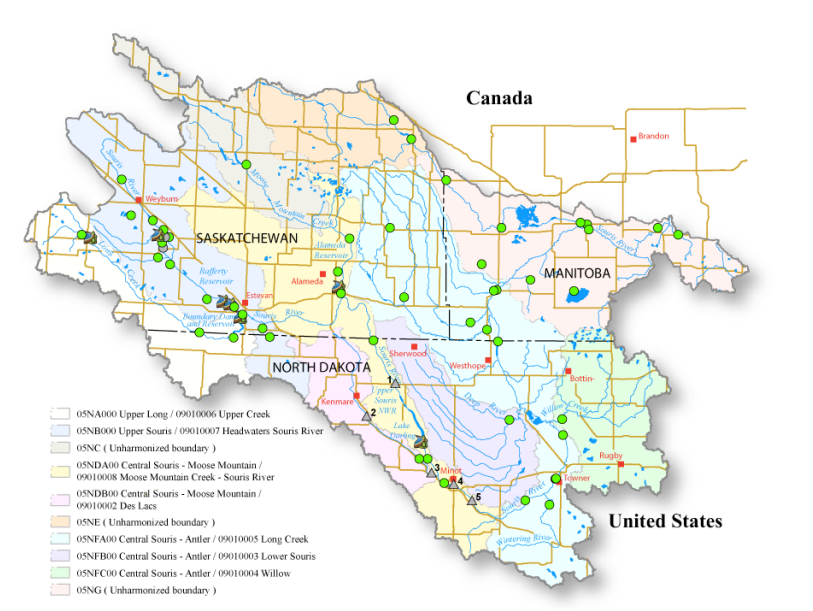
These questions were the focus of our recent case study examining risks related to extreme climate events faced by the energy sector in the Upper and Lower Souris River Watershed in Saskatchewan and Manitoba.

The study looked to gain a better understanding of the energy sector’s exposure, sensitivity, and recent responses to extreme weather events, with the goal of informing industry and government efforts to make climate variability part of their current and future risk management strategies.

Souris-River-Watershed

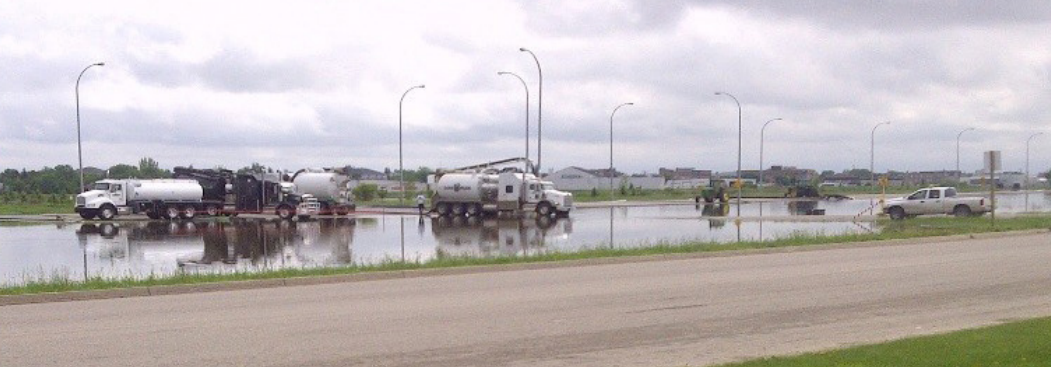
Oilfield equipment pumping water during the 2011 flood in Weyburn, Saskatchewan. (Photo credit: D. Pattyson)

Past, present and future extreme climate events in the Souris River Watershed 

The energy sector has long been an important part of the economy of the Souris River Basin, located at the intersection of southeastern Saskatchewan, southwestern Manitoba, and North Dakota.

Activity in the sector expanded significantly in recent decades when specialized technology made it possible for companies to access oil located in impermeable shale beds (i.e., the Bakken Formation), and high oil prices made this exploration economically viable. However, in this same time period, the basin has also experienced a number of extreme weather events, ranging from droughts to excessive moisture and flood conditions.

Souris River Basin (Source: United States Geological Survey)

Precipitation levels in the region are highly variable on a yearly, seasonal and daily basis. The region experienced multiple extreme drought years in the 1930s, late 1950s, 1960s and 1980s, including an extended dry period between 1988 and 2001. More recently, the region has experienced a wet period marked by the unprecedented spring flood of 2011 that affected large parts of Saskatchewan and Manitoba, and was followed by significant summer flooding in 2014. These types of multi-year events typically have more impacts on a society than single-year events, and thus require different levels and types of adaptation measures be taken in response.

Analysis undertaken as part of the case study suggests that the Souris River Basin’s climate will change significantly in the coming decades, which could pose major challenges for the local energy sector. On average it is projected that the region will be warmer for all seasons and that precipitation levels will increase except during the summer—with the greatest increases expected in the spring. In terms of projected extremes, the number of hot days in the summer months (those with temperatures greater than 30°C) will potentially increase by 140 per cent (more than six days) to more than 250 per cent (more than 15 days) compared to past decades. On the precipitation side, the number of 1-, 3- and 7-day precipitation extremes will also increase, likely by as much as 5 to 12 per cent. 

How the Energy Sector Can Adapt

Historic weather and climate events can be motivators of change in industries, as they expose companies to potential risks to the workforce, potential public health and safety concerns, and lost revenue. Our interviews with energy sector professionals for the case study revealed that the main source of concern for the sector focused on ensuring access to operation sites, preventing environmental risks, and supplying power to consumers after the power has been generated (for example, via transmissions lines).

Energy sector companies appear to have weathered recent extreme climate events by applying a number of strategies and adjusting policies to build their adaptive capacity. The sector undertakes activities relevant to climate change adaptation, including asset management, internal risk assessment, updating health and safety plans and policies, and infrastructure upgrades. Additionally, industry representatives identified gaps in information and resources they would find valuable and useful for informing their internal decision-making processes. For instance, governments could support the energy sector’s adaptation efforts by ensuring practitioners have access to quality climate data, such as the floodplain maps they need to inform their planning processes.

The study further showed that rural municipalities have been hardest hit during recent extreme climate events, particularly the floods of 2011 and 2014 when roads and bridges were damaged and closed, and culverts were washed out. In 2011, local states of emergency were declared in 70 Manitoba communities; 7,100 Manitobans were displaced and had to be provided with temporary housing. In southern Saskatchewan, flash flooding was experienced in Estevan, and more than 4,000 people along the Souris River were forced from their homes due to flooding. It became clear that rural municipalities within the Souris River Basin require additional resources, tools and information to build their capabilities to respond to and prepare for extreme weather events and climate change.

Importantly, oil and gas sector operations depend in part on community infrastructure—including electricity, water, transportation, and communication systems—to ensure their continued operations. The potential consequences of more frequent and severe extreme weather events due to climate change will exacerbate the already challenging job of sustaining communities in a tight fiscal environment. Responding to this risk will require greater cooperation with other jurisdictions, notably the provincial and federal governments. There is a need for improved climate projections and greater access to land use planning information for decision making and to allow for better adaptation planning in the face of the changing risks associated with extreme weather events.

The final report, "Risks to the Energy Sector Related to Extreme Climate Events" was published in March 2016. Funding was provided by Natural Resources Canada as part of their “Enhancing Competitiveness in a Changing Climate” program. In-kind funding was provided by the Saskatchewan Research Council, Environmental Systems Assessment Canada Ltd, SaskPower, the Governments of Manitoba and Saskatchewan, the International Institute for Sustainable Development and other project partners.

Insight details

Insight

It’s Time the SEC Enforced its Climate Disclosure Rules

"The SEC should step up to its responsibilities" argues Robert Repetto.

March 23, 2016

In the United States, companies are required to disclose material financial information about their exposure to climate risks. However, the Securities and Exchange Commission has not followed up with enforcement. 

Three realizations finally awakened the financial world to the risks of global warming: (1) that if a climate catastrophe is to be avoided, a large percentage of existing fossil fuel reserves cannot be burned, making the companies that own them considerably less valuable; (2) that falling demand for coal could reduce coal company profitability even to the point of bankruptcy; and (3) that increasingly frequent extreme weather events threaten not only insurance companies but also real estate investors, municipal bondholders and other asset holders.

The vulnerable assets matter not only to the companies that own them but also to their debt and equity investors, the portfolios in which these financial assets are held, the companies that hold or manage these portfolios and even the financial obligations of countries whose national economies might be significantly affected.

The Limits of Voluntary Approaches

Financial market participants and overseers recognize that these climate-related risks are not well understood. Climate issues were previously regarded, if at all, in the context of firms’ corporate social responsibility reporting. Firms were called upon to report on their fossil fuel use or carbon emissions, along with other indicators of environmental performance and management. There still are dozens of different reporting frameworks proposed by numerous organizations, which companies can adopt or choose to ignore. Efforts by such organizations to unify reporting frameworks, such as those by the Sustainability Accounting Standards Board and the Carbon Disclosure Standards Board, have had limited success. 

This voluntary approach to climate risk disclosure has been of little use to investors because of inconsistencies, non-comparability across companies and sectors, and the lack of explicit quantitative financial information. Consequently, most mainstream investors and asset managers say that such non-financial information plays no role in their investment decisions.

Towards Better Disclosure

Some financial firms have tried to fill the disclosure gap with their own analyses. Major banking groups, ratings agencies and investment advisory firms have issued reports, some based on “bottom-up” analyses starting with individual firms and asset classes, other using scenario-based macro-economic models. A good example of combining these approaches is the Carbon Risk Valuation Tool developed by Bloomberg New Energy Finance. To assess individual energy companies’ climate risk, it combines policy scenarios with detailed company-level data on oil and gas reserves and their extraction costs. Although this tool is useful, Bloomberg acknowledges that the lack of specific company data limits its accuracy.

These organizations emphasize that their analyses are no substitute for better financial disclosure by the firms exposed to climate risks and are pushing for mandatory reporting. For example, a Mercer Advisory Services report, Investing in a Time of Climate Change, recommends that investors “encourage mandatory company reporting on climate risk and related metrics; …  encourage disclosure of climate/carbon exposure; …ask companies with large carbon footprints for GHG-reduction plans (mitigation); … ask companies with large exposure to weather or resource risks for climate risk management plans (adaptation).”

There is increasing pressure on organizations to start providing to external stakeholders the kinds of information that they use for internal management purposes. Hundreds of firms that now apply an internal proxy “price on carbon” to guide investments decisions are being urged to disclose the results of such analyses. Nonetheless, a recent report by the International Federation of Accountants found that, today, most disclosure still tends to be compliance-oriented, qualitative and focused on historical financial statements.

Concerned that poorly understood climate risks could lead to financial market shocks, international officials have called for better disclosure. In a 2016 staff paper, the International Monetary Fund (IMF) wrote:

In financial markets, increased disclosure of firms’ carbon footprints, prudential requirements for the insurance sector, and appropriate stress testing for climate risks will help ensure financial stability during the transition to a low-carbon economy. Analyses of how firms’ asset values could be impacted by de-carbonization are needed to efficiently allocate investments across carbon-intensive and other sectors.

The IMF pledged that its staff will work with member countries and other partners to support initiatives encouraging consistent climate-related disclosures, prudential requirements and stress testing.

The Financial Stability Board of the G20 countries has created an international Task Force on Climate-related Financial Disclosure, headed by Michael Bloomberg, who stated: “It’s critical that industries and investors understand the risks posed by climate change, but currently there is too little transparency about those risks.” In 2014, the UN Environment Program initiated a large research program on Energy Transition Risk, which has produced a number of reports calling for more disclosure and risk analysis. These efforts have been backed by numerous national overseers: for example, by the Bank of England and by China’s State Council and Central Bank, among others. Also in May 2015, the French government passed a law making climate risk reporting mandatory for institutional investors and commissioning a climate stress test at the finance sector level. Many other countries also have laws requiring disclosure of environmental risks.

In the United States, disclosure and transparency form the foundation of securities regulation. Beyond strict accounting standards, the law requires firms to disclose any known risks or uncertainties that might have future material financial effects and any material information needed to prevent statements from misleading investors. Any information is material if a reasonable investor would consider it significant in making investment decisions.

Why the Securities and Exchange Commission Should Step Up Enforcement

For decades, the Securities and Exchange Commission (SEC) was urged, unsuccessfully, by investor groups and others, to apply these disclosure rules to material financial risks stemming from environmental exposures. The SEC has resisted what it sees as “disclosure overload,” lacking adequate internal resources and facing hardening political divisions about climate change. In 2007 former New York Attorney General Andrew Cuomo and others forced the issue by petitioning the SEC to require climate disclosures and suing several electric utilities operating in New York for misleading investors. In 2010 this action tipped the SEC into promulgating an Interpretive Release reminding companies that they must disclose material financial information about their exposure to climate risks, whether physical, regulatory or marketplace.

However, the SEC has not followed up with enforcement. Of the tens of thousands of comment letters it has issued questioning companies’ financial statements, only a handful have concerned environmental or climate disclosures. Consequently, most companies are still responding with compliance-based, qualitative acknowledgements of potential risk and have taken refuge in future uncertainties to avoid more explicit quantitative statements of potential financial impacts, even when the company had intensively studied potential impacts under plausible future scenarios.

For example, the annual 10-K reports issued by Arch Coal and Alpha Natural Resources at the end of 2014—two companies that declared bankruptcy in the following year—provided little guidance to investors of their serious exposure to climate risk. Alpha maintained that they were unable to estimate the financial impact of clean energy legislation or the Obama Administration’s regulation of greenhouse gas emissions. Arch Coal reassured investors that coal was estimated to remain the dominant fuel for power generation and that, though subject to regulatory risks and competition from gas and renewables, it thought coal to be competitively priced.

In November 2015 Peabody Energy, another coal company, settled a lawsuit brought by the New York Attorney General that accused the company of misleading investors by not disclosing internal studies that showed substantially material financial impacts from climate change regulations. It agreed to make more complete disclosures.

Also in 2015, Robert Rubin, former chairman of Goldman Sachs and former Secretary of the Treasury, stated: “Investors should demand that companies disclose the impact that climate change could have of their business and assets, the value of their assets that could be stranded by  climate change, and the costs they may someday incur to address their carbon emissions. … I believe that such disclosures should be considered material and mandated by the SEC, not just requested by investors.”

In May of 2015 a coalition of 35 senators and congressmen wrote to the Chair of the SEC requesting information regarding the specific steps that the SEC has taken to ensure compliance with its climate disclosure directive and what steps it intends to take in the future. Several investor groups have also written to the SEC requesting action.

This is an issue on which Wall Street and Main Street can unite. Adequate financial disclosure would not only protect investors and help allocate capital efficiently, but would also put pressure corporations to manage their exposure to climate risks more prudently. The SEC should step up to its responsibilities.

Insight details

Insight

On World Water Day, Dimple Roy Proposes Phosphorus Targets for Manitoba's Lakes

"We need phosphorus targets for Manitoba's lakes"

March 22, 2016

"We need phosphorus targets for Manitoba's lakes"

This is our ‪‎Manitoba BOLD‬ idea.

Listen to Dimple Roy, the director of our Water program, explain why we need to have targets for how much phosphorus can enter our lakes, and why we need to measure our success, in this short video.

Insight details

Topic
Water
Insight

Journey of Awakening

In June 2015, elders and students from Naotkamegwanning (Whitefish Bay) First Nation embarked on a three-day canoe trip to visit sacred sites near IISD-ELA, located within Treaty 3 land in northwestern Ontario.

March 21, 2016

In June 2015, elders and students from Naotkamegwanning (Whitefish Bay) First Nation embarked on a three-day canoe trip to visit sacred sites near IISD-ELA, located within Treaty 3 land in northwestern Ontario.

These sites, many of which include rock paintings as much as 5,000 years old, had not been visited by community members in more than 50 years. The elders reanimated sites at three different lakes through ceremonies, while also teaching the youth about traditional ways. IISD-ELA and the University of Winnipeg worked with the community members to document the trip, producing this documentary.

Insight details

Topic
Water
Region
Canada
Insight

Deaths in Honduras Underline the Grave Risks Facing Indigenous Leaders

Environmental activists and indigenous leaders face deadly risks in many countries, as recent murders in Honduras demonstrate. 

March 15, 2016

Environmental activists and indigenous leaders face deadly risks in many countries, as recent murders in Honduras demonstrate. 

The murder of Berta Cáceres in Honduras in March 2016 is another stark reminder that despite signals of progress in advancing sustainable development—from the Paris climate change agreement to the new Sustainable Development Goals—the daily struggles of advocates of environmental protection and indigenous rights too often turn deadly. 

Ms. Cáceres was the cofounder of the Civic Council of Popular and Indigenous Movements of Honduras (COPINH) and the 2015 winner of the Goldman Environmental Prize. She rallied the indigenous Lenca people of Honduras and successfully pressured China’s Sinohydro and the World Bank’s International Finance Corporation to pull out of the planned Agua Zarca Dam. Another member of COPINH, Nelson García, was also murdered in March, and coordinators of the movement have complained of aggressive interrogations following Ms. Cáceres' death.

The Honduras government announced an independent, rigorous investigation into the murders. The world will watch that justice is done. Honduras has become among the most dangerous place on the planet to defend the natural world.   

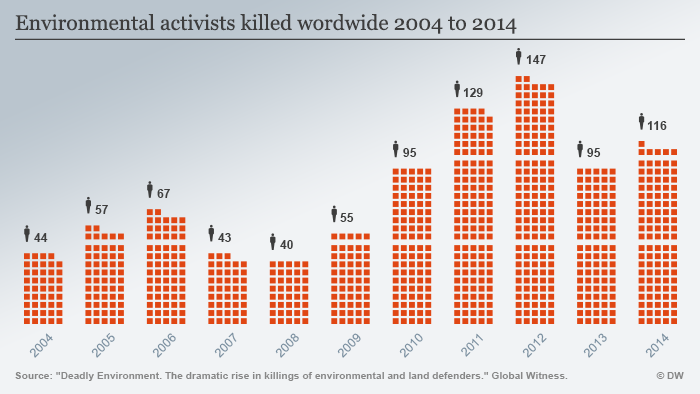
Killings of environmental activists and indigenous leaders has increased sharply between 2002 and 2014, according to Global Witness. At least 116 people were killed in 2014 alone—the most recent data available, with the leading countries being Brazil, Colombia, the Philippines and Honduras. Of these, 47 victims were from indigenous groups. There has been an increase in those opposing hydropower projects, with land disputes being the prime source of violence. More broadly, violence is sparked by those fighting to protect waterways, forests and traditional lands from mining, infrastructure, agriculture and large-scale hydropower projects. 

Cases of violence, discrimination and exclusion are higher for indigenous women than for any other group. The United Nations Permanent Forum for Indigenous Peoples reports that violence against indigenous girls and young women is consistently higher than violence facing non-indigenous women and men.

These injustices are largely unreported; indigenous peoples often live in remote areas, cut off from access to public health, education and a justice system that respects collective land rights, and shielded from the scrutiny of the media. Scholar Jeffrey Sisson has warned that indigenous peoples face cultural genocide as well as economic marginalization [1].  One example of this pressure is the relentless disappearance of indigenous languages: according to the UN Secretary General, one indigenous language is lost every two weeks, and of the estimated 6,000 to 7,000 oral languages, the vast majority—around 97 percent—are spoken by small groups of indigenous peoples. 

There are signs of progress. In advance of the UN Permanent Forum on Indigenous Issues meeting in New York in May, positive examples are being pulled together to build momentum to translate the UN Declaration of the Rights of Indigenous Rights into a reality that improves the conditions to indigenous peoples. These include Malaysia’s legal recognition of indigenous customary rights to land; the African Commission on Human and People’s Rights ruling that the eviction of the Endorois people from their ancestral lands violated their human rights; Canada’s report of the Truth and Reconciliation; and many other examples from in New Zealand, Greenland, Ecuador and elsewhere.

Despite these advances, too often indigenous women who stand up with remarkable courage against project developers are exposing themselves and their families to violence. The murder of Berta Cáceres is a tragic reminder of how much more needs to be done in the fight for human rights, indigenous people’s rights and justice for women.


[1] Jeffrey Sissons, 2005, First Peoples: Indigenous Cultures and their Futures, Reaktion Books.

Insight details

Topic
Mining
Region
Honduras
Insight

Policy Solutions for Climate-Resilient Agricultural Value Chains

Climate change poses serious risks to agriculture in many developing countries. 

March 2, 2016

Climate change poses serious risks to agriculture in many developing countries.

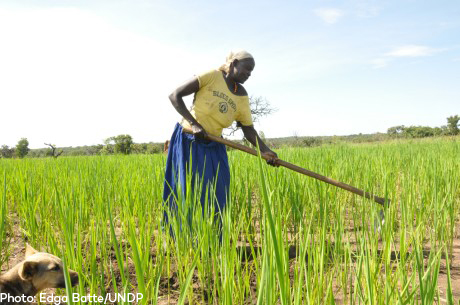
Grace Lawilu, a rice farmer in Northern Uganda. Photo: Edga Batte/UNDP

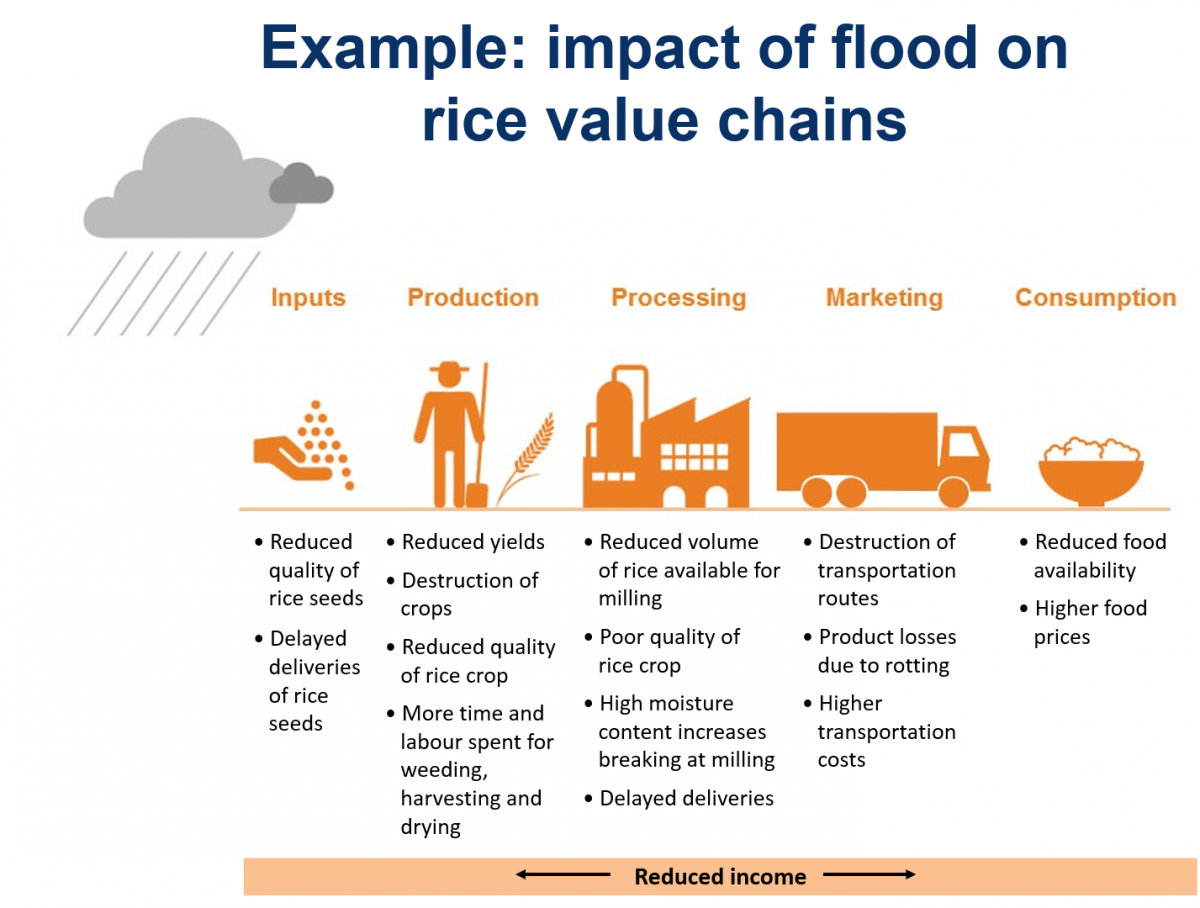
Unpredictable weather can be disastrous for agricultural production, but climate change's impacts extend beyond just production: they affect the entire agricultural value chain, from the quality of seeds through to how food is processed, transported and consumed.

To date, most of the action taken to address climate challenges in agriculture has focused on production alone. However, IISD believes that we need policies and approaches that recognize that climate risks affect the entire value chain.

We have been partnering with the Economic Policy Research Centre to look at what kinds of policies can best support climate risk management along agricultural value chains.

Rice Value Chains in Uganda

Our research focused on rice value chains in Uganda—a priority crop for the Government of Uganda—and found that private sector investment has a key role to play in supporting climate risk management along the value chains. Our question at a recent policy dialogue in Kampala was: What can government do to promote private sector investment in climate-resilient rice value chains?

Based on data since 1960, Uganda is experiencing more frequent and intense droughts and rising temperatures. Climate projections suggest that temperatures in Uganda will continue to rise, and this rise will be accompanied by a decrease in rainfall and more frequent extreme weather events. According to value chain actors, these droughts, floods and changing rainfall patterns are already affecting their rice-related activities, as shown in the diagram below.

PSI-climate-infographic

Recognizing the potential for increased risk and uncertainty, integrating climate change into policies and strategies related to agricultural value chain development will be critical for Uganda to achieve its development objectives, and the private sector is a key stakeholder in these processes.

Finance for Climate Risk Management

Financial services are a key enabling factor for climate risk management by actors involved in the Ugandan rice value chain. For example, credit allows them to diversify their income sources, while savings provide a buffer when shocks occur. The bank also benefits from their clients having stable incomes, as it means there is less chance of clients defaulting on loans because of climate hazards.

Our project involved a partnership with Centenary Bank, a Ugandan commercial bank that considers risk management a priority and part of its core business. Because of the mutual benefits for them and their clients, they want to build climate risk management into their banking practices by, for example, offering a better interest rate on loans for value chain actors who implement particular climate risk management activities.

Promoting Climate-Resilient Seeds

Like commercial banks, small and medium-sized enterprises (SMEs) are well placed to make the rice value chains better able to withstand climate hazards—for example, by promoting seeds that are tolerant to drought.

Our project also involved a partnership with Equator Seeds, a domestic seed company that invests in producing, processing and marketing climate-resilient seeds. For realizing the potential of climate-resilient seeds, Equator Seeds clients need to be further supported to make informed decisions about seed choice to improve climate risk management and business objectives.

Promoting these seeds' benefits in the market will take collaboration between a number of SMEs: agrodealers need to support access to the seeds; local radios need to inform farmers about the seeds’ benefits; and other actors in the value chain can develop demonstration plots near stock shops to show the seeds' advantages.

What Does It Mean for Policy?

For governments seeking to foster resilient agricultural sectors, climate risk management needs to be part of policies and strategies. For climate-resilient agricultural value chains in Uganda and other developing countries, our research suggests that the domestic private sector plays a vital role, and SMEs and commercial banks must be involved in the process of integrating climate change into relevant policies and strategies.

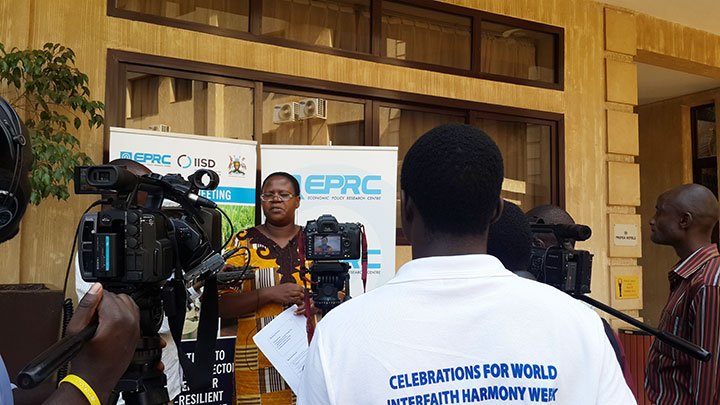
Annette Kuteesa from the Economic Policy Research Centre speaks to media about private-sector investment in climate-resilient value chains at an event in Kampala. Photo: Angie Dazé

Dr. Annette Kuteesa from the Economic Policy Research Centre speaks to media about private-sector investment in climate-resilient value chains . Photo: Angie Dazé

Read the event proceedings report for "Policy Options to Support Private Sector Investment for Climate-Resilient Agricultural Value Chains in Uganda"​ held February 4, 2016, in Kampala.

Insight

How Should Conservation Actors Approach Migration?

Migration has always been an important strategy for coping with variability and change in Africa’s Great Lakes region.

February 11, 2016

Migration has always been an important strategy for coping with variability and change in Africa’s Great Lakes region.

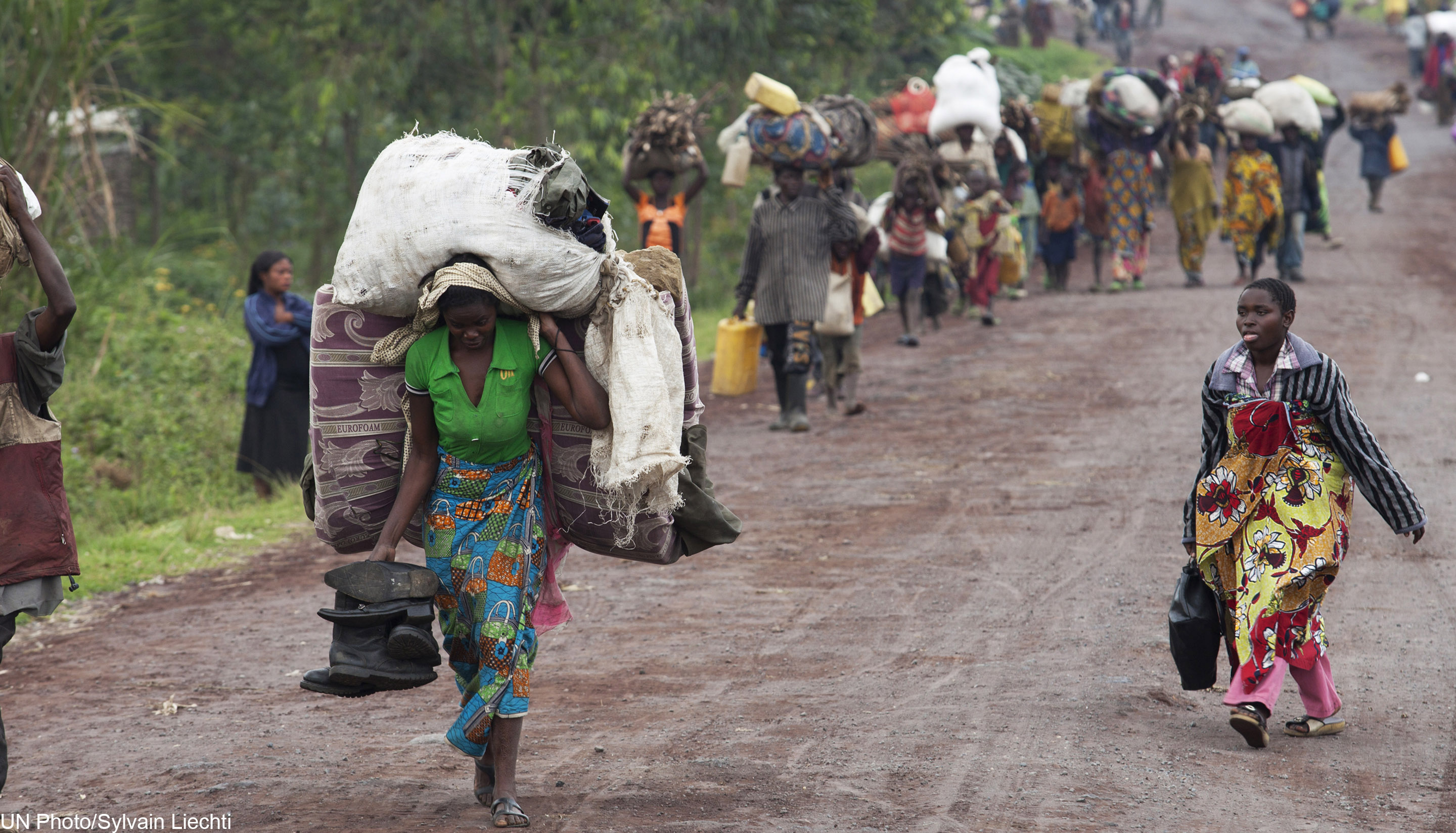
Traditionally, migration was primarily practiced by pastoralists moving across countries and borders in search of pasture.  However, in recent decades political instability, economic pressures, growing populations and environmental change have been driving migration in the region, greatly increasing the number of people on the move.

While environmental degradation has in the past been a driver of migration, changing migration patterns are now also increasingly leading to negative impacts on biodiversity. While true both in the communities left behind—where the loss of natural resource-management capacities can influence the local environment—and along migratory routes, this is particularly the case in those areas struggling with increasing migrant populations. For these areas, the land and rich natural resources they hold represent a strong pull for those populations trying to escape poverty, insecurity and hardship.

This increases the challenge faced by conservationists working in the region. The critical ecosystems of the Great Lakes are already experiencing myriad forms of natural resource and climate stress, and the growing socio-environmental impacts of migration could exacerbate or reinforce existing social tensions and institutional failures, further threatening the critical ecosystems and the livelihoods they support. With the support of the MacArthur Foundation, IISD had an opportunity to examine these impacts and think about new approaches to migration-sensitive conservation in the Great Lakes region. We looked at migration and conservation dynamics in three ecosystems: the Bale Mountains ecosystem in southern Ethiopia, the Misotshi–Kabogo ecosystem in the eastern Democratic Republic of Congo (DRC), and the Lake Albert ecosystem in Buliisa district in northwest Uganda. Lessons can be drawn from each of the case studies—this blog looks at what we found studying the Lake Albert ecosystem.

Lessons from the Buliisa district

Buliisa district, found on the Ugandan shores of Lake Albert, has seen a recent influx of migrants. Most have come from neighbouring Democratic Republic of Congo (DRC), but smaller groups have arrived from Sudan, Rwanda, and other parts of Uganda. Many of the migrants are escaping armed conflict, political instability, and high unemployment. They are being drawn to the district’s rich fishery, which holds the promise of employment on fishing boats and in the economy that surrounds the fishery.
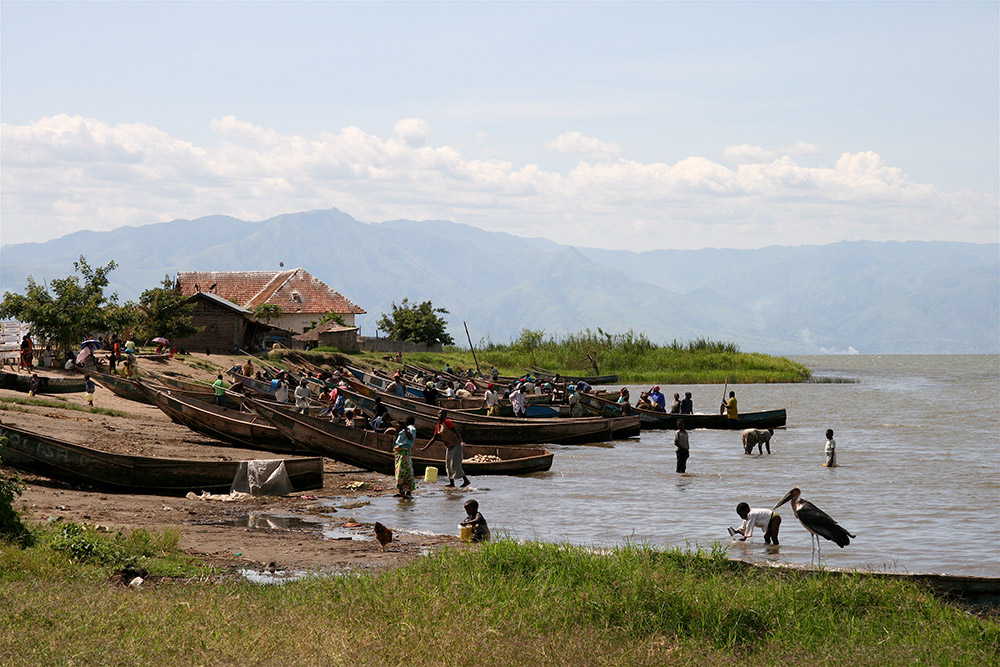
Unfortunately, the population boom has led to overfishing that could, in the long term, lead to the collapse of the Lake Albert fishery. The lake is home to at least 55 species of fish—at least 10 of which are endemic—including the endangered Nile perch. The size of fish caught has steadily decreased over the last five years, and declining stocks have led fishers to encroach on breeding grounds, use illegal fishing methods, and target smaller and less desirable species.

To prevent overfishing, stricter regulations that limit the number of fishing boats and reduce illegal fishing are urgently needed. While some regulations do exist, enforcement is weak, and fish stocks continue to fall.

An inclusive approach for conservation actors

A number of common lessons can be drawn from the case study in Uganda and those in Ethiopia and DRC. These insights can be found here, with Uganda-specific analysis and recommendations laid out in this full report.

Addressing the drivers of migration is typically beyond the mandate of conservation organizations. Efforts should therefore be put into understanding the conservation, migration, and livelihood contexts, and working to addressing the ecosystem impacts of migration. To do this, responses must be designed through careful, extensive consultation with stakeholders. Practitioners should take an inclusive approach, in which migrants are made partners in the dialogue and collaboration among conservation actors, and are given the opportunity to participate in natural resource governance structures, systems, and enforcement.

New toolkit for conservation and migration challenges

Based on the lessons learned from the three case studies, IISD has developed a toolkit on migration and conservation for practitioners. This toolkit is aimed at conservation practitioners from government, civil society or international organizations, as well as local authorities, who work in critical ecosystems and who see human migration as having a negative impact on the area where they are working.

The toolkit is designed to guide conservation actors through a process of analyzing their operating context, assessing migration impacts, and designing response strategies. It presents a series of tools that can be used to accomplish this goal, and describes ways in which the user can ensure an inclusive, conflict- and gender-sensitive response to migration that benefits both the community and the ecosystem.

For more information, read our reports on migration and conservation:

Lake-Albert-fishing-boats

Fishing boats on Lake Albert. Photo: Alec Crawford.

Insight

Canada in the Post-2015 World (French recording)

A recording of a half-day panel to discuss the implications of the Paris Climate Change Conference and the SDGs for Canada and the international community.

February 10, 2016

IISD in collaboration with the International Development Research Centre were pleased to host a half-day panel to discuss the implications of the Paris Climate Change Conference and the SDGs for Canada and the international community.

Here is a recording of the event in French.

Click here for more information about the event.