Insight

China's War on Pollution—and What Comes Next

Insights on China's climate leadership following the 10th meeting of Eco Forum Global.

July 6, 2018

China is one key to advancing global sustainable development. China has set out ambitious targets to advance the Sustainable Development Goals (SDGs) and the Paris Agreement, and continues to share with the world its evolving concept of "Ecological Civilization."

China has declared war on air, water and land pollution and is deploying more stringent regulations, expanded air and freshwater monitoring systems, and tougher pollution enforcement action. It is also planning the largest expansion of urban planning in history to embed clean, low-carbon pathways. Dividends are being measured by way of cleaner air quality, especially in larger urban areas.

Image removed.

In late 2017, China launched the world’s largest climate market. The national climate cap-and-trade system will play a key role in peaking domestic greenhouse gas emissions by 2030. China is also moving to have one fifth of its energy supply sourced from renewable energy by 2030, as well as finding ways to leap-frog towards clean energy systems through greater use of geothermal and district heating, among other actions.    

One critical pathway toward scaling up an ambitious, clean energy transition is via a financial system fit for ambitious climate objectives. China is the world leader in the greening of its financial system: it is the largest issuer of green bonds worldwide and is taking a systemic approach to greening the other parts of its financial system, including its insurance, stock market and underlying banking regulatory requirements.  

China has reiterated its commitment to providing international leadership in implementing the Paris Agreement. In June 2018, together with Canada and the European Community, China co-hosted the second Ministerial conference on climate change, where countries worked towards a single, coherent set of rules for the Paris Agreement, addressing climate finance and other priorities.

China has also taken steps under the Belt and Road Initiative to explore low-carbon, green and circular economy approaches with partners. In partnership with UN Environment, China’s Minister of Ecology and Environment launched the Green Belt and Road Coalition in 2017 to explore sustainable development options to support greater South-South cooperation.

Protecting Nature

In 2020, China will host to a crucially important international summit on biological diversity, to take stock of the state and fate of biological diversity. The UN Convention on Biological Diversity adopted the Aichi Biodiversity Targets to conserve and protect land and marine ecosystems. Scientists are looking to the 2020 summit to substantially increase nature conservation targets. Many hope China, as host, instills the kind of urgency, ambition and creativity to biodiversity that Paris helped deliver in 2015 in tackling climate change.

Ecological Civilization

Many of these actions—from tackling climate change and protecting China’s fresh water, forests and mountains—are framed within China’s emerging concept of Ecological Civilization.

The 19th Chinese National Congress identified a number of comprehensive national environmental protection and climate mitigation actions to support Ecological Civilization. Actions reaffirmed in the 19th Congress included forestry conservation, increased marine protected areas, industrial planning to reduce air and water pollution, a commitment to national environmental monitoring and regulatory enforcement actions, and a host of others. In May 2018, Chinese President Xi Jinping noted that the concept of Ecological Civilization is at the centre of China’s actions to advance sustainable development and identified the overarching values as well as technical aspects of this evolving plan. President Xi has noted that "lucid waters and lush mountains are invaluable assets" that need to be preserved.

China’s ecological civilization embraces the three pillars of sustainable development—economic, social and environmental—and also includes notions of Chinese culture and history, as well as its political governance model.

Well-Being

An underlying aspect of Ecological Civilization is its focus on ecological protection and the means to balance economic growth—measured in indicators like Gross Domestic Progress (GDP)—with tools that account for ecological integrity and human well-being. 

The most important meeting in which the strategic concept of Ecological Civilization has evolved is the Eco Forum Global. In July 2018, President Xi welcomed the forum, noting:

China is ready to work with the international community to realize the 2030 Agenda for Sustainable Development and build a clean, beautiful world.

At the 10th annual meeting of China’s Eco Forum Global, senior Chinese leaders and experts were again joined by international experts to examine specific areas of work.

An important focus of work is developing the tools and methods to strike a balance between ecological protection and GDP growth, specifically through emerging tools like ecosystem accounting and measurement. 

Dai Bingguo and Scott Vaughan
Dai Bingguo, Chair of the International Advisory Council of Eco Forum Global, and Scott Vaughan, CEO IISD

At the July 2018 forum, senior experts from China’s National Bureau of Statistics, the Chinese Academy of Environmental Planning, UN Environment and others noted the importance of measuring genuine progress, through ecological or integrated accounting systems. There is an impressive range of work underway to value ecosystems, deploy real-time environmental indicators at the provincial and urban levels, and embed new accounting systems to track and conserve ecological systems.

At the Eco Forum Global, IISD presented its ongoing work to measure the fuller dimension of wealth beyond quarterly income flows. The Comprehensive Wealth report, released by IISD experts in 2016, remains one of the few country-specific reports to measure all four pillars that comprise a nation’s wealth: natural capital, human capital, produced capital and social capital. The findings of IISD’s work in Canada echoe the alarming findings of global trends, in which the stock of natural capital is declining by alarming rates: by as much as 25–30 per cent in the past decade. 

In fall 2018, IISD will provide an update of this report, focusing on changes in natural capital wealth and the implications of continued losses.
Insight details

Region
China
Insight

Infrastructure, Industrialization and Innovation: Why SDG 9 matters and how we can achieve it

With half the world now living in cities, and billions of dollars spent each year on growth and infrastructure, we need to finance and implement sustainable infrastructure practices that reduce our environmental footprint, employ clean technologies and are economically viable.

June 27, 2018

Could the world’s battle with pollution be won with a series of innovative ideas and a rethinking of how we structure our economies?

With half the world now living in cities and billions of dollars spent each year on growth and infrastructure, we need to finance and implement sustainable infrastructure practices that reduce our environmental footprint, employ clean technologies and are economically viable.

Infrastructure, Industrialization and Innovation

Sustainable Development Goal 9, one of 17 global goals for people, prosperity and the planet, is dedicated to “build[ing] resilient infrastructure, promot[ing] inclusive and sustainable industrialization and foster[ing] innovation.”

It seems like a broad goal, touching on everything from sustainable cities and scientific research to communications technology and financial services. A closer look at its targets, however, reveals a quite specific set of intended achievements.

Around 2.6 billion people in the developing world still face difficulties in accessing electricity full time.

For example, Target 9.5 looks at boosting scientific research and intends to increase the number of full-time researchers per million inhabitants, and the amount of money spent on research as a proportion of GDP.

In much of the developing world, especially in rural communities, many still suffer from a lack of access to new technologies that could improve their livelihoods and standard of living. For example, around 2.6 billion people in the developing world still face difficulties in accessing electricity full time and many do not have access to water or basic sanitation.

Target 9.1 aims to “develop quality, reliable, sustainable and resilient infrastructure, including regional and transborder infrastructure.” This will be measured by the proportion of rural populations who live within 2 km of an all-season road (SDG indicator 9.1.1).

Sustainable Development Goal 9, one of 17 global goals for people, prosperity and the planet, is dedicated to building resilient infrastructure, promoting inclusive and sustainable industrialization and fostering innovation.

The disadvantages many developing countries are dealing with regarding financing new technologies is recognized in Target 9.A, which encourages technical and financial support to realize the immense potential that many of the world’s least-developed countries have for increased industrialization. 

More than four billion people across the globe do not have access to the internet. The role of communications technology is critical in a sustainable future, and Target 9.C seeks to provide universal and affordable access to the Internet in least developed countries by 2020—just two years from now.

Bridging these divides will set out a more level playing field when it comes to fostering and benefiting from innovation.

Building a More Sustainable Future

As we draw ever closer to the 2030 deadline to achieve these goals, there is much to suggest we are headed in the right direction.

In the least developed countries, while agricultural and traditional sectors remain the main sources of employment, worldwide about 500 million people are employed in manufacturing, with numbers steadily increasing in the developing world.

In 2013, there were 1,083 researchers per million inhabitants, on average, compared to 952 per million in 2007.
However, women continue to comprise only a quarter of those researchers.

When it comes to innovation, low-income countries doubled their investment in research and development from USD 1.9 billion to USD 3.9 billion between 2007 and 2013. This still, however, represents a fraction of the global figure.

In 2013, there were 1,083 researchers per million inhabitants, on average, compared to 952 per million in 2007. However, it should be noted that this figure varies greatly across the world, and that women continue to comprise only a quarter of those researchers.

Access to mobile technology has spread rapidly around the world. By 2015, 69 per cent of the world’s population had access to mobile broadband networks. As expected, however, this dropped down to 29 per cent in rural areas.

Insight

How the Energy Charter Treaty Could Have Costly Consequences for Governments and Climate Action

Nathalie Bernasconi-Osterwalder explores the current status of the Energy Charter Treaty, and why now, more than ever, it deserves far more public attention and scrutiny.

June 19, 2018

It sounds mild enough, but the Energy Charter Treaty (ECT) was recently described, somewhat ominously, as “one treaty to rule them all”—ever-expanding and giving the power to corporations “to halt the energy transition.”  

In a new report, the Corporate Europe Observatory and the Transnational Institute analyze the treaty, which was adopted more than 20 years ago without significant public debate. They warn that an aggressive expansion of the treaty is now underway, amid an alarming lack of awareness about its political and financial risks to potential new signatory states.

Even as it rose to become a frequent basis for companies to challenge government action in the energy sector, the ECT attracted little public attention as a legal instrument and remains largely unknown. Its original aim was integrating the energy sectors of the former Soviet Union and Eastern Europe into Western European markets at the end of the Cold War, and its stated purpose was to establish “a legal framework in order to promote long-term cooperation in the energy field.” Although the framework covers multilateral cooperation over energy transit, trade and efficiency, its primary focus has been on investment protection and international arbitration.

At a time when energy transitions are so critical to achieve climate change objectives under the Paris Agreement and the Sustainable Development Goals ...  the ECT deserves far more public attention and scrutiny.

The ECT secretariat’s website currently lists 115 known investor–state arbitration cases initiated under the agreement, with 75 filed in the last five years alone. The list includes the case that oil and gas company Rockhopper brought against Italy over a ban on offshore oil drilling.

It also includes the largest investment treaty award in history, in three cases brought by Yukos shareholders against Russia. In that instance, an arbitral tribunal found Russia liable for over EUR 50 billion. This arbitral award was eventually set aside by a Dutch court in April 2016, but the investors are still trying to overturn the decision and are pursuing enforcement proceedings of the set-aside award against Russia across the globe. Another case is pending against Germany for the government’s decision to phase out nuclear energy.

Last week’s report notes that, while the ECT secretariat promotes the treaty as a necessary condition to attract foreign investment, particularly clean energy investment, “there is currently no evidence that the agreement helps to reduce energy poverty and facilitate investment, let alone investment into renewable energy.”

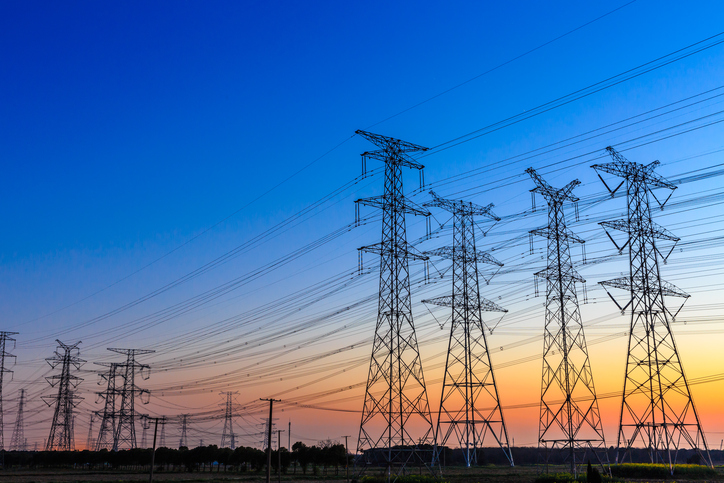
Electricity pylons during the golden hour
The original stated purpose of the Energy Charter Treaty was to establish “a legal framework in order to promote long-term cooperation in the energy field.” 

Instead, the report points out that no trade and investment agreement anywhere in the world has triggered more investor–state arbitrations than the ECT. An increasing number of lawsuits are being filed against Western European states—including Germany, Italy and Spain—and involve multi-billion dollar claims with serious implications for taxpayers.

As we pointed out in an article in June 2017, the ECT secretariat is now looking to gain new resource-rich member countries in Africa and Asia. For these countries, joining would mean signing on to an old-style investment protection treaty, the sort of agreement from which many governments around the world are now turning away.

Indeed, resource-rich governments may be pulled into membership without realizing that the ECT contradicts their efforts to elaborate new investment treaty models that are more balanced in terms of investor rights and obligations and that move away from investor–state arbitration. This may be because the ministries dealing with energy at the sectoral level are not involved in or informed of discussions on investment law reform or investor–state dispute settlement (ISDS). Interaction and cooperation between ministries and agencies are essential to ensuring that governments develop a coherent approach to international trade and investment law and policy, including in the energy sector.

By acceding to the legally binding ECT—or signing the non-binding International Energy Charter, a political declaration that is considered the first step toward ECT accession—countries could reintroduce rules that were developed in an era when ISDS cases and the inherent risk of investment arbitration were virtually non-existent and certainly unknown. It would run counter to all the innovation and development achieved over the past years.

The recent report brings necessary public attention to the dangers embodied in the ECT and to its potential to extend far-reaching and outdated investment protection rules to energy investments, making it difficult and expensive for states to regulate and change course, including for a clean energy transition.  

For countries that have already ratified the ECT, the time is ripe for reform ... If meaningful ECT reform is not possible, pulling out of the agreement could be an option.

The best-case scenario now is that countries who have signed the political declaration are cautious of the slippery slope of joining the ECT, with its high-risk investment protection framework. Countries that have not yet joined the political declaration should assess the risks and benefits of doing so, taking into account the danger of being pulled into ECT accession. Those that have recently acceded to the ECT should consider not ratifying and expressing their intent not to ratify, as Russia did in April 2018.

For countries that have already ratified the ECT, the time is ripe for reform in line with current developments in other areas of investment law and policy. If meaningful ECT reform is not possible, pulling out of the agreement could be an option, as Italy did effective January 2016.

At a time when energy transitions are so critical to achieve climate change objectives under the Paris Agreement and the Sustainable Development Goals, and when most countries can ill afford costly arbitrations, the ECT deserves far more public attention and scrutiny.

Insight

Using Financial Technologies for a More Sustainable Planet

If you have heard of the Internet of Things, big data, artificial intelligence and blockchain, then you have probably heard of "fintech." We explore how these financial technologies could be applied to create a more sustainable planet.

June 14, 2018

If you have heard of the Internet of Things (IoT), big data, artificial intelligence (AI) and blockchain, then you have probably heard of "fintech." These financial technologies are used across consumer and industrial spaces and are now being embraced by financial organizations with large global investments.

Each technology has marked a milestone in the "data revolution"—changing the way we interact with the digital world. At the core of the fintech revolution is the way institutions are using data to make better decisions, enable client understanding and forecast trends at different scales in space and time.

In parallel with the data and fintech revolutions are ongoing efforts at national, regional and global levels to reach the Sustainable Development Goals (SDGs). Could these technologies, associated with concepts like observation, information, context and trust, be the tools we need to build a more sustainable and equitable world?

At the core of fintech are four technology families: the Internet of Things, Big Data, artificial intelligence and blockchain. 

The SDGs represent the most important and challenging problems of the 21st century—problems so complex that they require a clear understanding of people and their environment over large areas to solve. A more sustainable world may be possible if fintech developments could be adapted to support social and environmental priorities alongside economic capital.

Understanding financial technologies

The jargon and hype around fintech can at times seem impenetrable. We wanted to highlight some key concepts and how they may directly benefit sustainable development.

Four technology families are at the core of fintech: the IoT, big data, AI and blockchain. We see them as key pieces of a digital information pathway. Each respectively represents data acquisition, storage and curation, trust and accountability, and insight and analysis.

Lake George in New York State
The Jefferson Project at Lake George in New York State has used IoT and AI to predict and protect the future of the lake and make better policy decisions.  

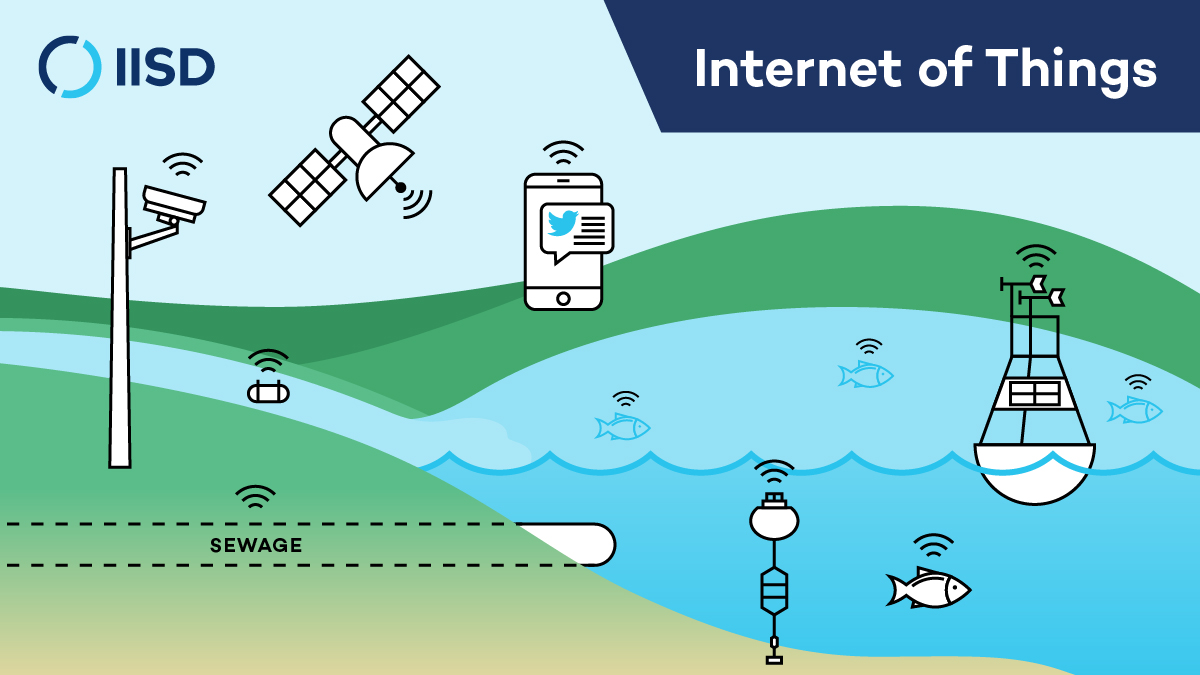
The Internet of Things refers to data derived from the rapidly expanding number of Internet-connected devices, from smartphones to weather stations to toasters.

Both wireless and wired, serious and frivolous, the IoT is the thousands of Internet-capable devices that can actively transmit our thoughts, photos and locations or passively monitor countless human and environmental parameters in wide networks. Developments in Wi-Fi, cellular and satellite Internet connectivity allow for remote sensing of human and natural systems.

When monitoring a lake, the Internet of Things refers to the multitude of sources of data on the health and status of the lake—from photos posted on social media to trackers implanted in fish.

The IoT is rapidly becoming a major source of big data, especially when users are voluntarily contributing information or providing data that helps them and others make better decisions. While apps like Waze (traffic), Google Maps (amenities), and Yelp (restaurants) are examples of how the IoT maps the human environment, we have begun to see others like CoCoRaHS (precipitation), OpenStreetMap (physical environment) and Missing Maps (humanitarian mapping) begin to fulfill roles outside of commercial interests. Beyond smartphones, the IoT includes automated weather and climate sensors and devices that measure ocean temperature, track sensitive species and provide early warning for disasters.

The torrent of data that flows from the IoT results in large digital datasets. This is big data.

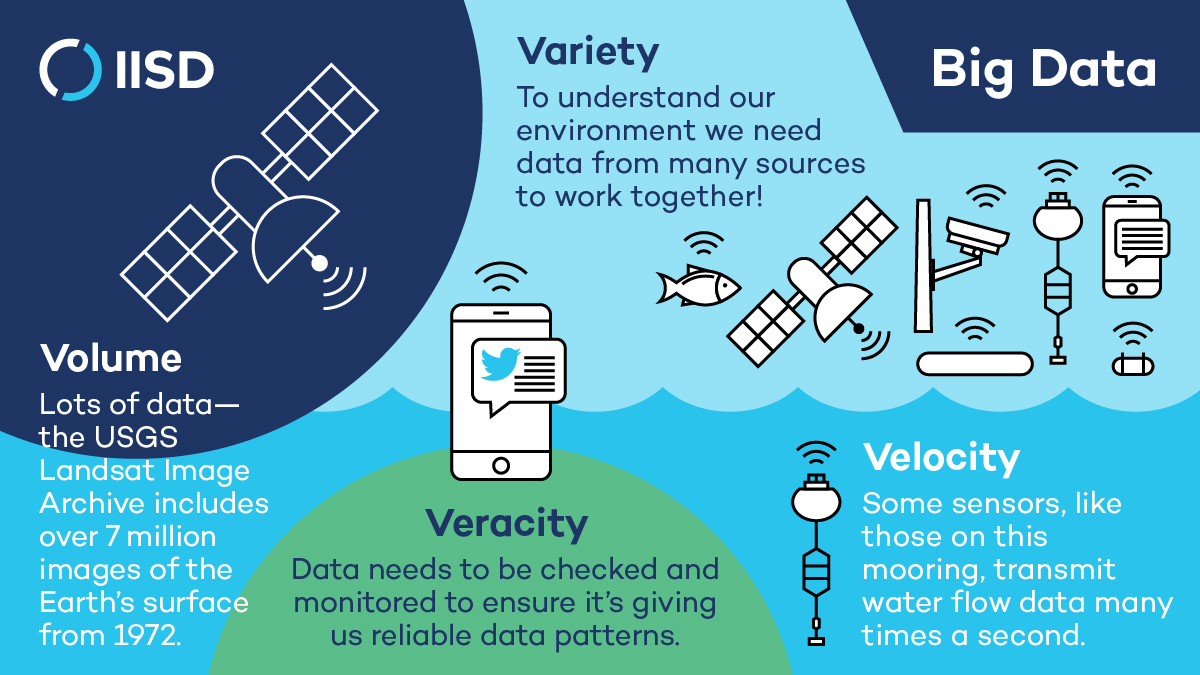
Big data is essentially any dataset that is sufficiently complex to handle, requiring extra expertise beyond traditional analysis. An infographic developed by IBM breaks it into dimensions: big data is a dataset with high volume (size and storage), high variety (many types of data), fast velocity (frequency of collection) or variable veracity (confidence). Sometimes a fifth dimension, value (specific use and application), is used, which is especially relevant for personal, private or sensitive data like healthcare records or traditional ecological knowledge.

For datasets to be defined as 'big data', they need to be big on volume, variety, veracity, and velocity.

This model emphasizes that size is no longer the only difficulty of Big Data and that some of the value of these datasets may be derived from how complex they are. As technology has progressed, the volume of a dataset has become more manageable with low-cost cloud storage and CPU and GPU speed increases, though highly variable datasets can be analyzed on shorter time frames.

In the world of water science and management, for example, we have begun to see successful projects incorporating fintech from local and global organizations.

Use, however, requires the difficult work of organization, standardization and curation so that the data can be quickly and cheaply used. In environmental contexts, this means opening the data on a public server with permissive license terms. Even organized big data may be too complex for conventional statistics.

Fortunately, one new technology may help us turn big datasets into action: artificial intelligence.

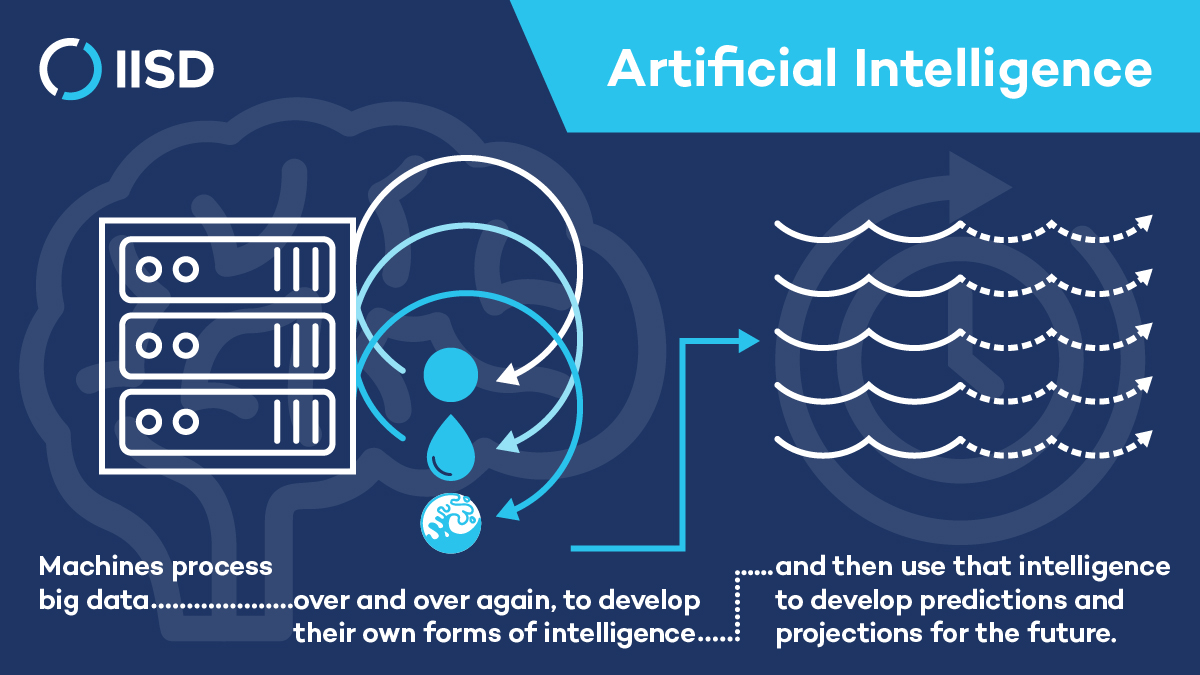
Derived from computing and statistics, AI uses machine learning from big data to "learn" how to accomplish tasks, whether recognizing patterns, producing human-like chatbots or driving vehicles. In simpler forms, it has been used for years to detect credit card fraud or recognize faces in social media posts. AI excels at recognizing context where simple threshold-based algorithms failed. The statistical heft behind AI can be appropriate. Adding human-like pattern finding in images, chat logs and complex datasets may help experts manage the flood of data.

Artificial intelligence can be used to make predictions and projections on everything from the impact of climate change on a lake to the rate at which a population will expand.

These three technologies take us along a chain from the collection of data right through to its analysis. But how do we trust this data and make sure bad actors aren’t compromising data streams while ensuring fairness and equality?

This is where blockchain comes in.

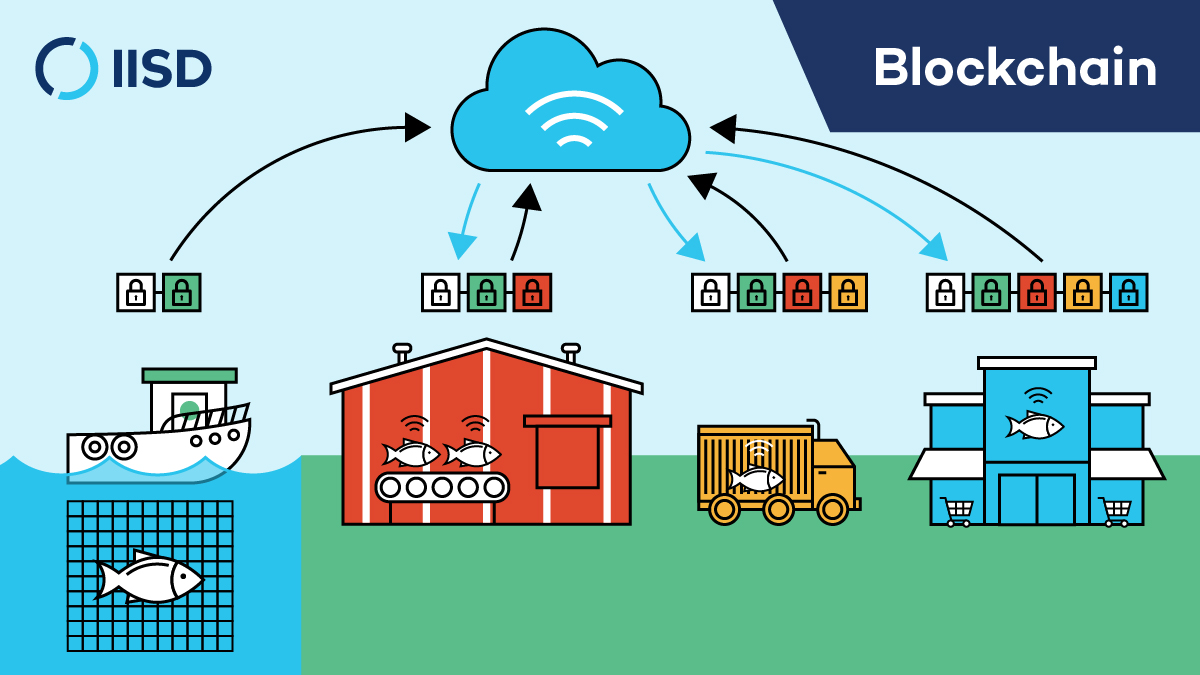
Put simply, blockchain allows for a single piece of digital data to be tracked from its source with an encrypted stream of information that can only be decoded by a distributed peer-to-peer network. Blockchain makes data more trustworthy, to both data providers and users, allowing each to be certain of its provenance and integrity.

Blockchain could help us track a fish from a lake to a grocery store, using a network of users to encrypt and secure that information.

Fintech to advance sustainable development

So how does all this relate to the SDGs and how can fintech help us achieve the goals? Singular advances have propelled technology, but—like the Internet—the confluence of many related technologies can dramatically change how we think about the world. The fintech gearbox, an idea first posed in a 2016 report published by UN Environment, could form functional information technology advances to benefit global and local sustainable development. The fintech gearbox highlights the connectivity of these technologies to reach all aspects of environmental management and policy.

Row of buildings in Stockholm
Stockholm is implementing an IoT network to monitor water quality in real time and inform citizens of unsafe drinking water and target sources of pollution.

However, many organizations are still struggling with 20th-century information technology problems such as organizing data collection and curation, developing standards and practices, and visualizing the state of the environment. Leveraging the wisdom of financial industry leaders can help us improve the collection, interpretation and accuracy of data collection—all of which are essential to turning information into knowledge—and then turning that knowledge into sound and robust decisions.

Where is this already happening?

Fortunately, some innovative organizations have already jumped into these challenges to promote sustainable policies and better understanding of the natural and human environments. In the world of water science and management, for example, we have begun to see successful projects from local and global organizations.

The City of Stockholm is implementing an IoT monitoring network in their water system from source to sewer. This technology will monitor water quality in real time and will be used to inform citizens of unsafe drinking water and target sources of pollution.

Earth observations from satellites represent some of the first and largest big datasets: many sensors capture images of the Earth every day in many wavelengths of light. This tremendous data resource was unmanageable beyond the local scale until ambitious products like the European Space Agency’s Copernicus web platform were developed to bring the analysis and insight from public satellites to the public. A simple web interface allows users to query datasets in space and time and examine high-level, decision-ready products tracking forest fires, pollution plumes and algal blooms.

The Jefferson Project at Lake George in New York State has used IoT and AI to create a computing platform that captures and analyzes data from sensors tracking water quality and movement. They then use that data to predict and protect the future of the lake and make better policy decisions.  

Blockchain has rapidly developed from an obscure crypto-currency-enabling technology to one with serious and real applications to improve trust and reduce the impact of bad actors. A program by the World Wildlife Fund in Australia, Fiji and New Zealand is using blockchain to track fish from ocean to plate and ensure the integrity of sustainable supply chains.

What’s next?

Though some groups have been successful at using fintech for sustainable purposes, the hill is still steep. A recent study by the Royal Society (UK) noted that the biggest challenge to adoption of machine learning—a subset of AI—is unsuitable and poorly-managed data environments across the public sector. Our forthcoming work will begin assessing the data environment of environmental data, and how we in the environmental sectors can prepare to participate in the fintech revolution.

This work is funded by RBC, who is working with partners like us to explore new and exciting technologies to solve the world’s pressing environmental challenges.

Insight

Joining Forces to put People at the Centre of Land Governance

IISD is proud to announce that the International Land Coalition (ILC) recently confirmed us as an official member. Francine Picard, Parliamentary Advisor for IISD’s Economic Law and Policy, explains what this means for IISD's work to end poverty and hunger.

June 12, 2018

We are proud to announce that the International Land Coalition (ILC) recently confirmed IISD as an official member.

***Français suit***

Founded in 1995, ILC is a global alliance of over 200 civil society and intergovernmental organizations in 78 countries working together to put people at the centre of land governance.

In recent years, ILC has become a leading voice in political processes around land grabs, tenure rights and smallholder agriculture. Membership in the coalition is limited, and individuals, governments and private sector actors such as corporations are not eligible.

Francine Picard, Parliamentary Advisor for IISD’s Economic Law and Policy – Agriculture team, explains what this membership means for IISD’s work to end poverty and hunger.

What is the International Land Coalition (ILC) and why is it important?

ILC is doing amazing work driving a global network of civil society and intergovernmental organizations around land issues. It provides a space where members can meet, share and learn from each other and have constructive dialogue to define actions on land governance.

ILC’s goal is to realize land governance for and with people at the country level, responding to the needs and protecting the rights of women, men and communities who live on and from the land. Its actions also contribute to raising the bar for standards of good practice in land governance by influencing key decision makers at the national, regional and global levels.

The coalition is instrumental in advancing land governance in an inclusive manner. Most importantly, ILC offers a unique platform of dialogue and actions, and because ILC is a worldwide network with hundreds of members from dozens of countries, that means there can be a strong coherent message towards what needs to be achieved for a just, equitable and inclusive world in which land rights are secure and poverty is eradicated.

What role do land rights play in ending poverty and hunger?

Land rights are critical to global food security because they work to protect communities and people—they ensure communities and people can participate, have economic stability and have access to the resources they need.

What has IISD done to advance land rights so far?

Our main focus is reinforcing the legal framework. This work includes promoting ways to secure tenure rights and improve gender equality in domestic and foreign agricultural investments. For example, we created The IISD Guide to Negotiating Investment Contracts for Farmland and Water to help governments and communities involved in negotiating investment contracts with foreign investors.

We recently developed and will soon be launching a gendered tool with Oxfam for meaningful community engagement on large-scale land investments in Africa to help ensure that women in particular, and their communities in general, are directly participating in decision making regarding these investments in their communities

In Mali, we supported the development of a groundbreaking new law that strengthened customary land rights and the rights of women and made it easier for rural people to understand laws and processes. We are also working directly with parliamentarians, particularly in Asia and Africa, to strengthen the policy dialogue and improve land governance and food security.

What does membership in ILC mean for IISD?

We have been working together with ILC since 2009, when we launched a parliamantarians’ campaign to expose the issue of “land grabs” across Africa. Being part of the network will provide opportunities to connect with organizations worldwide with which we share the same goals ­of ending hunger and alleviating poverty. We are expecting to advocate and promote the effective and inclusive implementation of land-related policies, to identify issues and to work together with coalition members in order to influence the formulation of policy and legal frameworks to the benefit of the communities.


Unir nos forces promouvoir une gouvernance foncière centrée sur les personnes

Nous sommes fiers d'annoncer la coalition internationale pour l’accès à la terre (International Land Coalition, ILC) a récemment confirmé l'adhésion de l'IISD en tant que membre officiel.

Fondée en 1995, l'ILC est une alliance mondiale regroupant plus de 200 organisations intergouvernementales et de la société civile dans 78 pays, qui oeuvre pour mettre les personnes au centre de la gouvernance foncière.

Au cours des dernières années, l'ILC est devenue une des principales voix dans les processus politiques touchant aux droits fonciers, à l'agriculture paysanne et à l’accaparement des terres. L'adhésion à la coalition est limitée et les individus, les gouvernements et les acteurs du secteur privé tels que les entreprises ne sont pas éligibles.

Francine Picard, conseillère parlementaire pour le programme Droit et politique économique de l'IISD, explique ce que cette adhésion signifie pour le travail de l'IISD et son objectif d'éradication de la pauvreté et de la faim.

Qu'est-ce que la Coalition internationale pour l'accès à la terre (International Land Coalition - ILC) et pourquoi est-elle importante ?

L'ILC fait un travail remarquable en dirigeant un réseau mondial d'organisations de la société civile et d’organisations intergouvernementales autour des questions foncières. Elle fournit un espace où les membres peuvent se rencontrer, partager et apprendre les uns des autres, et elle permet un dialogue constructif pour définir des actions sur la gouvernance foncière.

L’ILC a pour objectif de mettre la gouvernance foncière entre les mains des habitants au niveau du pays, en répondant aux besoins et en protégeant les droits des femmes, des hommes et des communautés qui vivent de la terre. Ses actions contribuent également à élever le niveau des règles de bonnes pratiques en matière de gouvernance foncière en influençant les décideurs clés aux niveaux national, régional et mondial.

La coalition contribue à faire progresser la gouvernance foncière de manière inclusive. Plus important encore, l'ILC offre une plate-forme unique de dialogue et d'actions, et parce qu’il s’agit d’un réseau mondial avec des centaines de membres issus de dizaines de pays, elle est capable de transmettre un message fort et cohérent sur les actions à mener pour un monde juste, équitable et inclusif, dans lequel les droits fonciers sont garantis et la pauvreté éradiquée.

Quel rôle jouent les droits fonciers dans la lutte contre la pauvreté et la faim ?

Les droits fonciers sont essentiels à la sécurité alimentaire mondiale parce qu'ils contribuent à la protection des communautés et des peuples ; ils garantissent la participation des communautés et des personnes, favorisent la stabilité économique et l'accès aux ressources dont les habitants ont besoin.

Qu'elles ont été les actions de l'IISD pour faire progresser les droits fonciers jusqu'à présent ?

Notre objectif principal vise à renforcer le cadre juridique et politique pour promouvoir un investissement responsable et durable. Ce travail comprend la promotion des moyens qui garantissent les droits fonciers et améliorent l'égalité homme-femme dans les investissements agricoles nationaux et étrangers. Par exemple, nous avons publié Le guide de l'IISD pour la négociation de contrats d'investissement pour les terres arables et l'eau, afin d'aider les gouvernements et les communautés impliqués dans la négociation de contrats d'investissement avec des investisseurs étrangers.

Nous avons récemment développé et allons bientôt lancer un outil sexospécifique avec Oxfam pour impliquer réellement les communautés dans les investissements fonciers à grande échelle en Afrique, afin d’aider les femmes en particulier, et leurs communautés en général, à participer directement à la prise de décision concernant ces investissements dans leur région.

Au Mali, nous avons soutenu le développement d'une nouvelle loi qui a renforcé les droits fonciers coutumiers et les droits des femmes, et a permis aux populations rurales de mieux comprendre les lois et les procédures. Nous travaillons également directement avec les parlementaires, en particulier en Asie et en Afrique, pour renforcer le dialogue politique et améliorer la gouvernance foncière et la sécurité alimentaire.

Que signifie l'adhésion à l’ILC pour l’IISD ?

Nous travaillons avec l'ILC depuis 2009, lorsque nous avons lancé une campagne auprès des parlementaires pour exposer la question de « l’accaparement des terres » en Afrique. En faisant partie du réseau, nous aurons la possibilité d’entrer en contact avec des organisations dans le monde entier, avec lesquelles nous partageons les mêmes objectifs d'éradication de la faim et de réduction de la pauvreté. Nous voulons défendre et promouvoir une mise en œuvre efficace et inclusive des politiques foncières, identifier les problèmes et collaborer avec les membres de la coalition afin d'influencer la formulation de cadres politiques et juridiques dans l’intérêt des populations.


Insight details

Insight

Three Key Challenges to Innovative Public Procurement

In our work, we frequently come across three barriers for public procurers in their attempt to implement innovative public procurement. This blog discusses each and provides examples of how they are being addressed.

June 11, 2018

Innovation, in and of itself, is neither inherently good nor inherently bad. Simply implementing a new idea, process, product, service or technology will not automatically lead to sustainable and inclusive development.

However, if linked to specific priorities and with the right enabling environment, innovation can support national development priorities, stimulate job creation and be a key driver of development.

This is why strategies and funding for innovation are at the centre of many countries’ development priorities, including the European Commission’s recently announced budget[1], which allocates 25 per cent to financing not just innovation, but specifically low-carbon innovation.

Investment in innovation is emphasized in the Sustainable Development Goals (Goal 9) but it must be explicitly linked to sustainability for it to truly benefit citizens, the economy and the planet.

In recent years, public procurement has increasingly come to the forefront of the innovation agenda for a number of reasons. With increasing pressure on budgets, governments are looking at ways to better use the money they spend on public goods, services and infrastructure to achieve the best value-for-money for taxpayers. In that light, much emphasis has been placed on better and more strategic public procurement laws, policies and practices.

What is essentially lacking in the discussion around the cost of innovative sustainable procurement is the right information that enables public procurers to make a better business case.

It is also widely recognized that public procurement is an important demand-side instrument that governments can deploy to steer the economy in a more sustainable direction. Public procurement, on average, represents 15–20  per cent of a country’s GDP, making it a powerful market player. Because it is traditionally considered an administrative function of government, however, a lot of the potential advantages and multiplier benefits have not yet been realized. Much public procurement remains very compliance driven and not very innovative. Many public procurement agencies continue to buy yesterday’s technologies and are, therefore, a barrier to deploying innovative solutions. If this changes, and there are already examples out there of how it can change, public procurement will become an immensely powerful tool to stimulate innovation.

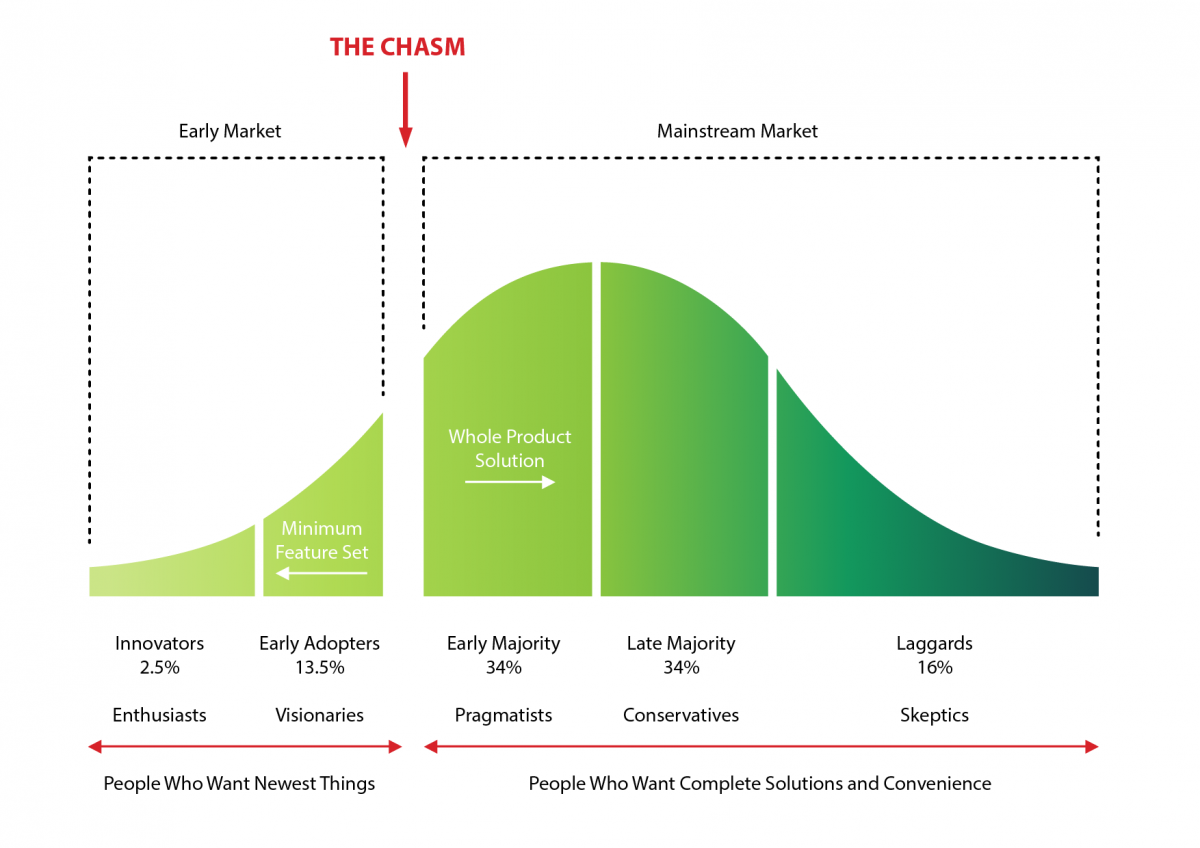
The figure below represents what Geoffrey Moore called, in 1991, the chasm between real innovative, first-mover technologies and the scale and deployment they are seeking on the market. The left side of the chasm is traditionally supported through research and development (R&D) funding and high-risk capital, while the right side of the chasm will find its buyers in the market. For sustainable development and all its related challenges, we do not just need innovation, we need instruments that bring innovations to the market–we need scale of good solutions. Public procurement of innovation can play a key role by bridging the chasm between the innovators and early adopters and the pragmatists to scale up early market technologies and make them mainstream.

Source: Geoffrey Moore (1991)

In Canada, for example, the Build in Canada Innovation Program identifies innovative solutions that the federal government can buy. As government purchase is so large, this helps bring innovative solutions to the market and provide the necessary scale.

This link between public procurement and innovation is becoming well recognized. The more difficult question lies with implementation. While public procurers experience a range of challenges in changing their profession from an administrative to a more strategic one, many examples of innovative public procurement are beginning to remove the uncertainties around it.

Where are the key challenges, and how do we overcome them?

In our work, we frequently come across three barriers for public procurers in their attempt to implement innovative public procurement: the legal framework, costs and the knowledge to design and evaluate tender documents to demand the best available solutions in the market.

We will discuss each of these briefly and provide examples of how they are being addressed.

The legal framework

For public procurers to know the best available solutions, they need to be able to engage in a transparent, open dialogue with suppliers. There is natural risk-aversion from public procurers to do so out of fear of allegations of corruption. Often they indicate that laws and regulations do not allow for such dialogue. This is also why a solid legal framework is essential, and why the principles of transparency, value-for-money, fair competition and non-discrimination must be central to every procurement process. In most jurisdictions, the legal framework allows for different forms of market engagement and enables the use of public procurement as a driver of innovation while adhering to these core principles.

The EU Public Procurement Directive (2014) is, in this regard, international best practice. It outlines different procedures of market engagement—such as competitive dialogue and competitive procedures with negotiation. It further emphasizes the importance of the Prior Information Notice, a notice that, in a pre-procurement phase, allows the public procurer to prepare the market for upcoming bids. It also introduces Innovation Partnerships as a separate procurement method that allows both for the purchase of R&D and the application of that R&D to public needs. The Innovation Partnerships were specifically designed for bringing innovative solutions to the market. In short, the EU Directive provides procedural certainty, which is an important component of making public procurers less risk-averse.

The cost barrier and the business case

When conversations with public procurers turn to the costs of sustainability and innovation, there is a lot of resistance to considering an item, solution or process that appears costlier than the business-as-usual alternative. In line with the principle of value-for-money, however, it is important to take a life-cycle or total-cost-of-ownership approach to a project. Public procurement decisions that are taken based on the price of acquisition, or the capital cost only, do not fully reflect the real cost. There are a variety of tools available for public procurers to calculate the life cycle costs of what they procure.

Public procurement agencies may also want to go a step further and include the costing of externalities in their decision making. The monetization of such externalities is not always easy, but it can be done. At IISD, we have made the business case for innovations in, among others, the cement, car and lighting industries by incorporating the cost of pollution or greenhouse gas emissions as a cost factor. A result of this modelling exercise can be found here. We have also developed a model that will help forecast the gains of procuring innovative infrastructure, as compared to the business-as-usual alternative, using our Sustainable Asset Valuation methodology (SAVi).

What is essentially lacking in the discussion around the cost of innovative, sustainable procurement is access to the right information that enables public procurers to make a better business case. If this information is not available, public procurers need to be equipped with the skills that enable them to extract that information from the market via the bidding process.

The public procurer skill set

Three specific aspects of the public procurers’ work need to be strengthened to fully utilize the potential of innovative, sustainable procurement: market engagement, the design and evaluation of performance-based tenders, and the monitoring of contracts on compliance with the promised performance.

Investment in innovation is emphasized in the Sustainable Development Goals (Goal 9), but it must be explicitly linked to sustainability for it to truly benefit citizens, the economy and the planet.

Given that procurers traditionally are more used to the administrative part of their jobs, guidance and training need to be provided to “skill-up” their profile. Recent engagement with the Western Cape Government in South Africa demonstrated that public procurers are asking for examples and case studies of innovative public procurement and guidance on how they can implement this in their own jurisdiction. As a response, we developed the Moving Towards Sustainable Performance-Based Procurement guidebook. This is just one of many tools that provides a step-by-step approach for innovative public procurement. It includes examples and case studies of innovative procurement, including how the procurement agency has engaged with suppliers and which performance-based specifications they have included in the tender documents.

Public procurers also need to be given time and resources to develop these skills. For example, as part of its Horizon 2020 innovation fund, the EU supports innovative public procurement. Part of this funding scheme supports the actual acquisition of the innovative solution, and another part of the funding is used for capacity building in public agencies. This funding is important to supporting a change in using public procurement as a strategic government function.

Insight details

Insight

Emerging Stories of Big Data for Resilience Building: Dar Ramani Huria

In the unplanned and informal settlements that abound in Dar es Salaam, flooding causes heavy losses in livelihoods and infrastructure. What does Big Data have to do with this?

June 6, 2018

The day started like any other day in the Tandale ward of Dar es Salaam, Tanzania.

It was the middle of the rainy season, and the situation could deteriorate quickly. The water level in the nearby stream was rising dangerously, and the roads were becoming impassable due to heavy rain and mud. A flood was imminent, and community members needed to take action.

The memories of last year’s flooding were still fresh in their minds. Hospitals and schools had been closed, and businesses had been forced to halt their operations. Just last month, flooded homes and roads caused at least nine casualties. In the unplanned and informal settlements that abound in Dar es Salaam, flooding also causes heavy losses in livelihoods and infrastructure.

What does Big Data have to do with this story?

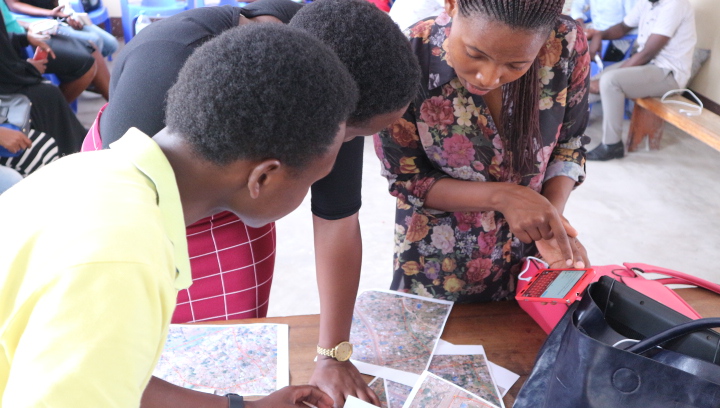
A few years ago, probably nothing. Maps were unavailable, and if available, were often inaccurate, outdated, or contained insufficient data for planning and decision making in the event of disasters. But today, thanks to the efforts of hundreds of community mapping volunteers, Big Data is playing a role in local resilience to flooding and improving the ability of at-risk communities to prepare for, respond to and adapt to its impacts.

Community-based maps can be powerful tools for change. Trainings offered by the Dar Ramani Huria initiative[i] (Swahili for “Dar Open Map”) are building local capacities to collect local data through multiple methods and tools and to develop maps by digitizing their content via OpenStreetMap. Community members are now better informed about the risks in flood-prone areas, are able to access up-to-date community-based maps to get a better sense of the extent and impact of a flood, and know who to contact in order to coordinate response actions.

In case of a disaster like a flood, the maps help us a lot because with the maps you can see where the valleys are and how many houses are in it, how many houses are in the danger zone, and how many houses are in the safe zone. So by looking at the map it is easier to be prepared in case of disasters.Julianna Letara, City Planner, Kinondoni

Stories at the intersection of Big Data and resilience building are emerging across the world. A recent IISD publication examines the experiences of six international organizations that are actively using Big Data to strengthen the resilience of vulnerable communities and ecosystems to a variety of shocks and stressors.

How Does Dar Ramani Huria Build Resilience?

Open community-based maps help build coping and adaptive capacities by:

  • Providing decision-makers and communities with detailed maps of areas, roads, streams, floodplains and other relevant features to strengthen risk identification and awareness-raising about climate risk and uncertainty.
  • Equipping community members and ward leaders with the skills required for data mapping, digitizing and modelling risk. The skills acquired by mappers are widely applicable to a number of areas, contributing to their ability to diversify their livelihood options and adapt to change.

Learn more about Dar Ramani Huria in the Big Data for Resilience Storybook

Lessons Learned

Many valuable lessons have emerged from this initiative. Among them:

  • Connecting Big Data with local actions through partnerships with communities and local leaders is key. Dar Ramani Huria works with sub-ward level leaders, geotagging contextual information such as vulnerable groups, risk areas, waste, community assets and community “comments” on risk management. More in-depth geocoded data layers developed with communities feed into broader community dialogue, risk reduction strategies and planning processes.
  • Ensuring data quality through multiple data assurance mechanisms is vital to building trust and enabling informed decision-making. Dar Ramani Huria reviews and tests new methods and technologies on a constant basis, enabling local teams to detect problems on time, identify cost-effective solutions and innovate in order to ensure the highest data quality.
  • The use of free/open source software can enable cost-effective and sustainable community-based approaches to resilience. The use of free and open source software and local devices (students trained by Dar Ramani Huria on smartphones) means that everything needed to continue the project and keep data updated as the city changes is already available in the community.

One of the biggest misconceptions about the role of Big Data in international development is intrinsic to its name: Big Data’s potential for resilience building is not about volume or technological capabilities. It’s about human stories. It’s about how data is accessed, analyzed and effectively used to inform decision-making processes in order to strengthen development pathways.

Big Data’s contribution to resilience depends on our ability as development and resilience practitioners, as researchers and decision-makers, to leverage the vast amount of digital data that is constantly being generated and use it effectively to improve the resilience of vulnerable communities.    

Photos: ©Humanitarian OpenStreetMap Team


[i] Strengthening Urban Resilience Through Community-based Mapping: Dar Ramani Huria (World Bank funded by the UK Department for International Development (DFID) in partnership with Humanitarian OpenStreetMap Team, Tanzania Red Cross, Ardhi University, and the City of Dar es Salaam)

Insight details

Insight

Beating Plastic Pollution: If you can't reuse it, refuse it

June 5 marks World Environment Day, with a focus on reducing the heavy burden plastic pollution places on nature, wildlife and human health. This blog explains four ways we can all make a difference.

June 4, 2018

Tomorrow marks World Environment Day, with a focus on reducing the heavy burden plastic pollution places on nature, wildlife and human health.

Plastic has many valuable uses, but as a global community we have become over-reliant on single-use or disposable plastic products. In fact, the United Nations reports that half of all consumer plastics are used a single time.

To beat plastic pollution, we need to rethink how we design, produce and use plastic products.

Here are four ways we can all make a difference:

  1. Avoid purchasing products with excess packaging: As consumers, we can all make smarter choices, such as turning down plastic straws and cutlery or reconsidering heavily packaged products in the supermarket. With enough demand, retailers and suppliers will quickly get the message and make changes for the better.
  2. Choose glass or metal drink containers over plastic: Statistics suggest one million plastic bottles are bought every minute. Sure, they can be recycled, but unfortunately most of them are not. In 2016, the recycling rate for plastic bottles in the United States was around 30 per cent. That means two out of every three bottles will end up in a landfill.
  3. Choose wool over synthetic garments: A major source of microplastic fibers turns out to be synthetic clothing (like solar fleece jackets and pullovers). While wastewater treatment plants can effectively remove a large quantity of microplastics (up to 98 per cent), a 2016 study determined that the average wastewater treatment plant still releases 4 million particles per day (and as many as 65 million).
  4. Sign up to participate in a shoreline or neighbourhood cleanup near you: By picking up the litter you see in front of you, you are not only making an immediate impact, you may also be sending a strong signal that will keep people from littering in future—people litter less and use garbage bins more in places that are kept clean. Therefore, community cleanups have a wider impact by raising awareness, educating others about plastic waste and reducing the urge to litter.

Of course, individual actions alone cannot solve the plastic problem. Even if every one of us does whatever we can to reduce our plastic footprint, the problem needs to be addressed at other levels.

Governments and businesses must also play a major role, in thinking about eliminating single-use plastics at the design stage, ensuring waste management and recycling schemes are fit for purpose, and researching sustainable plastic alternatives that are both economically viable and widely available. Only then will we be able to beat plastic pollution for good.

Insight

Why Social Innovation Is Crucial in Mining

Social innovation has been recognized as crucial for the future of the mining industry. In this blog, we interview Alec Crawford, Senior Researcher at IISD, about his thoughts on social innovation in the sector.

May 29, 2018

The mining industry has experienced a 30 per cent decline in productivity over the past decade. Commodity price fluctuations are squeezing profit margins, and costs continue to rise. With the industry facing so many challenges, integrating innovation in an already risky and expensive sector can be difficult to justify.

However, companies need to address inefficiencies in their operations to stay competitive, while ensuring they maintain their social licence to operate.  As part of this, mining companies are becoming increasingly innovative when it comes to their engagement with governments, competitors, communities and other stakeholders. Social innovation has been recognized as crucial for the future of the industry.

We interviewed Alec Crawford, Senior Researcher at IISD and lead author of the Intergovernmental Forum on Mining, Minerals, Metals and Sustainable Development's report Innovation in Miningabout his thoughts on social innovation in mining.

Why is innovation in mining important?

Innovation in mining is crucial for a number of reasons. With the decline in productivity we’re seeing, innovation is one way that mining companies can try keep costs down, particularly through automation. Deposits are also becoming more remote and harder to reach. Mining companies are working in environments they haven’t necessarily been in before, and they need to find new ways to mine.

Yesterday’s mining techniques won’t be enough to access tomorrow’s deposits, and these deposits need to be accessed in cost-effective ways.

Lastly, with businesses needing to become more transparent in how they operate, environmental and social performance is key. If businesses can integrate innovation into their practices to improve both, it can boost their social licence to operate.

What impact does social innovation have on the mining sector?

Mining companies are increasingly recognizing that innovation is most successful when it is rooted in collaboration. Collaboration around innovation can be tough in a sector as competitive as mining, but that may be starting to change. For example, we’re seeing more “hackathons” taking place, where companies bring together young professionals or students to help them solve key mining problems over the course of a few days. This brings fresh eyes to old problems that companies have been challenged by and haven’t yet been able to figure out, and can lead to innovative solutions that benefit the sector as a whole.

Social innovation also involves working closely with communities to determine what happens after the mine closes. For example, how is the land going to be developed and used after mine closure in a way that provides positive, sustainable livelihoods well into the future? Communities are best placed to answer this, and working with them will result in the most innovative solutions.  Again, this kind of collaboration is at the core of social innovation.

What is one example of social innovation in the mining industry?

There are, of course, many, but a notable example of companies using innovative technologies to work with stakeholders is through the use of smart sensors. Teck Resources uses smart sensors at a mine site in Chile to generate data on the impacts of its operations on the local environment. This technology monitors, in real time, water and air quality at the mine site, and the data is then immediately made available to the public.

By promoting transparency and engagement with the community, the company holds itself to a high level of environmental performance and can further strengthen its social licence to operate.

What are your predictions for the future of social innovation in mining?

It will only increase moving forward. Companies recognize the value of social innovation to their performance and their social licence to operate, and communities increasingly expect it, given its positive link to environmental and social performance, transparency and accountability.

The mining sector also sees the value of engagement and collaboration with a broader range of stakeholders through social innovation; new ideas and fresh perspectives can help them address old challenges, while also potentially attracting the kind of young talent that the sector—long considered old fashioned—may not have attracted in the past.

This blog was originally published on the IGF website.

Insight details

Topic
Mining
Insight

IISD Contributes to the Annual Meeting of the New Development Bank

IISD applauds the New Development Bank for setting out a clear target whereby two thirds of its portfolio will advance sustainable infrastructure as well as their strategic focus on clean energy, irrigation and water resource management.

May 29, 2018

The New Development Bank (NDB), located in Shanghai, has an important opportunity to advance sustainable development through its project lending and related knowledge functions. 

One aspect of this broad challenge is sustainable infrastructure. The decisions countries and companies make today in infrastructure investments will lock in development choices for the next 30–50 years. IISD applauds the NDB for setting out a clear target whereby two thirds of its portfolio will advance sustainable infrastructure, as well as their strategic focus on clean energy, irrigation and water resource management. These commitments are particularly timely in the context of the Ministry of Ecology and the Environment's Green Belt and Road Coalition, of which IISD is pleased to be a member. 

The Sustainable Development Goals (SDG Knowledge Hub) underscore the scope and interconnected nature of sustainable development. 

A pressing priority within the Sustainable Development Goals (SDGs) of urgent relevance to infrastructure is climate change. Every country, community and economic sector on the planet is facing growing climate change risks. Estimates suggest that climate risk in 300 of the world’s major cities today stands at USD 1.5 trillion, with projected damages related to extreme weather events like severe flooding, coastal sea-surge damages, increased forest fires and other impacts. Recently, NASA warned of a looming water crisis in 19 hotspots where freshwater depletion is likely to resemble the current crisis facing Cape Town.

It is important that multilateral development banks (MDBs) demonstrate that climate resilience is a strategic, financing and project priority for infrastructure. We are already seeing a growing number of infrastructure projects that include climate resilience, such as those that anticipate the increased frequency of 100-year extreme weather events coming with far greater frequency. Country-based climate adaptation work now has the benefit of drawing from a large body of evidence.

IISD President and CEO Scott Vaughan presents at the NDB's Third Annual Meeting in Shanghai, China
IISD President and CEO Scott Vaughan presents at NDB's Third Annual Meeting in Shanghai, China.

IISD colleagues have examined how development and adaptation are moving more closely in sync in the past decade. IISD serves as the secretariat of the 100-country National Adaptation Plan Global Network, which shares practical examples of climate adaptation planning, project financing and actions.

The second challenge for green infrastructure is making sure planning, design and building are part of the solution to the Paris climate agreement. Next week, Canada will announce new funding for infrastructure and, with it, a climate lens for every project over CAD 10 million to determine both the carbon footprint and the climate resilience of infrastructure projects.

Public finance and MDBs need to be leaders in advancing infrastructure that accelerates a shift to low-carbon energy systems like renewable energy and in integrating best-in-the class energy-efficiency standards for buildings. We need to plan today for mid-century infrastructure based on the notion of a shared economy with public transport.

There is growing attention to low-carbon building materials like cement and steel. Recently, Apple promised to source low-carbon aluminum throughout its global supply chain, and architects, engineers and city planners have displayed encouraging attention to substitute building materials. There are a number of 8–10-storey wooden buildings already completed and many more under construction. In addition, Tokyo has announced plans for a 70-storey building made of 90 per cent wood-based materials.   

Another way of looking at this is from a natural or green infrastructure lens. Natural Infrastructure is a new asset class for sustainable development and climate resilience; its decentralization takes advantage of fourth industrial revolution technology and mitigates social marginalization. For example, scientific literature is now showing that protecting and restoring wetlands in some flood-prone agricultural areas is more effective in specific cases than building complex dams and dikes.

Channelling institutional finance into natural infrastructure has the potential to deliver large-scale sustainable development benefits.

Finally, the nature of sustainable infrastructure demands an integrated, dynamic approach that includes such variables as climate externalities, social priorities like public health, labour markets and policy risk, as well as how to include these variables in infrastructure project financing. That has been the focus of IISD’s sustainable infrastructure modelling work.

IISD is developing guidance material on infrastructure risk mitigation instruments, including local currency risk mitigation.  We aim to raise awareness on how sustainable infrastructure projects can be planned to make better use of de-risking instruments and seek platforms upon which to share green infrastructure projects in real time, as well as a facility to help countries prepare for green infrastructure projects. 

Insight details