Success story

Clean Power With a Clean Conscience

Lowering our carbon footprint cannot come at the expense of people in the world’s most vulnerable places.

July 24, 2020

Transitioning to a low-carbon economy is necessary for a cleaner, safer, healthier future. Any actions to reduce our carbon footprint must be carefully managed, however, to ensure they promote peace and sustainable development and do not exacerbate conflict and violence.

High-tech devices like solar panels, electric cars and wind turbines require a complex cocktail of minerals and metals to build and run. Some of the largest mineral reserves are found in countries with weak regulations and a history of instability and conflict.
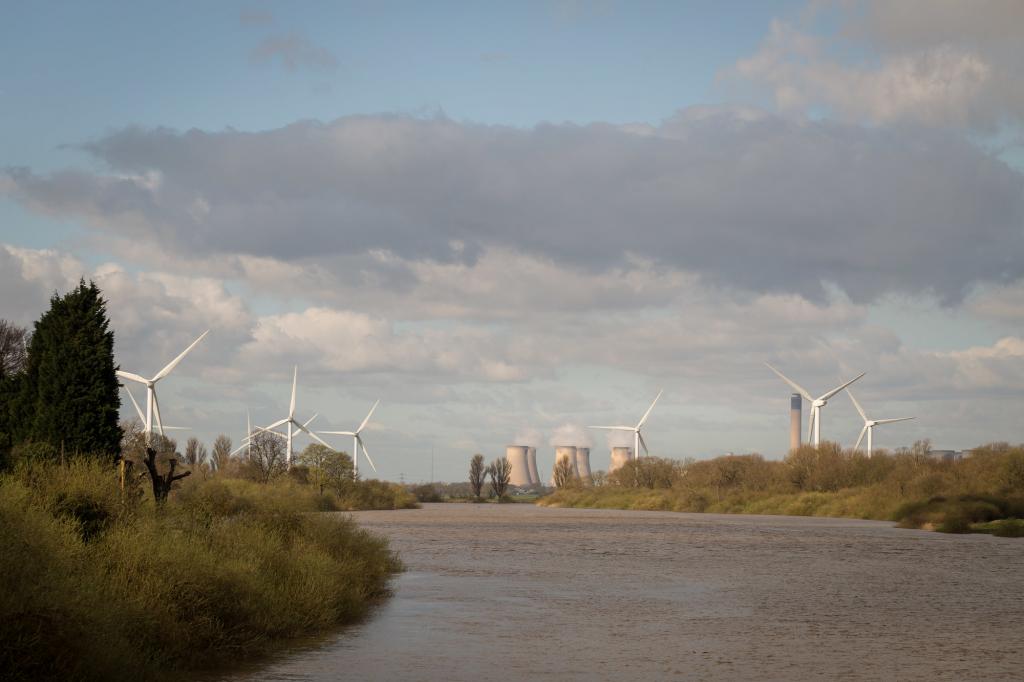
A distant view of the Humber Gateway Wind Farm
Wind turbines such as these require a complex cocktail of minerals and metals to build and run. (Photo: Jonathan Perugia for IISD)

Being a conscious consumer means knowing the impacts of our purchase decisions and demanding responsible and accountable supply chains.

To illustrate, consider the Democratic Republic of the Congo (DRC). The country has the largest global reserves of cobalt—essential for battery technology—alongside some of the lowest rankings for human development. Mining is the country’s primary source of export income, so the anticipated spike in demand for cobalt as clean energy technologies take off could have positive economic benefits. But the DRC also has a history of violent conflict, corruption, and weak governance. International organizations have witnessed child labour, dangerous conditions, and human rights abuses at existing cobalt mining sites.

People wash copper ore at a mine in Congo

The Democratic Republic of Congo has some of the largest reserves of cobalt, a mineral essential for battery technology. (Photo: Fairphone CC BY-NC 2.0)

Being a conscious consumer means knowing the impacts of our purchase decisions and demanding responsible and accountable supply chains. This must include ensuring the resources required for clean energy are extracted and traded in a conflict-free way.

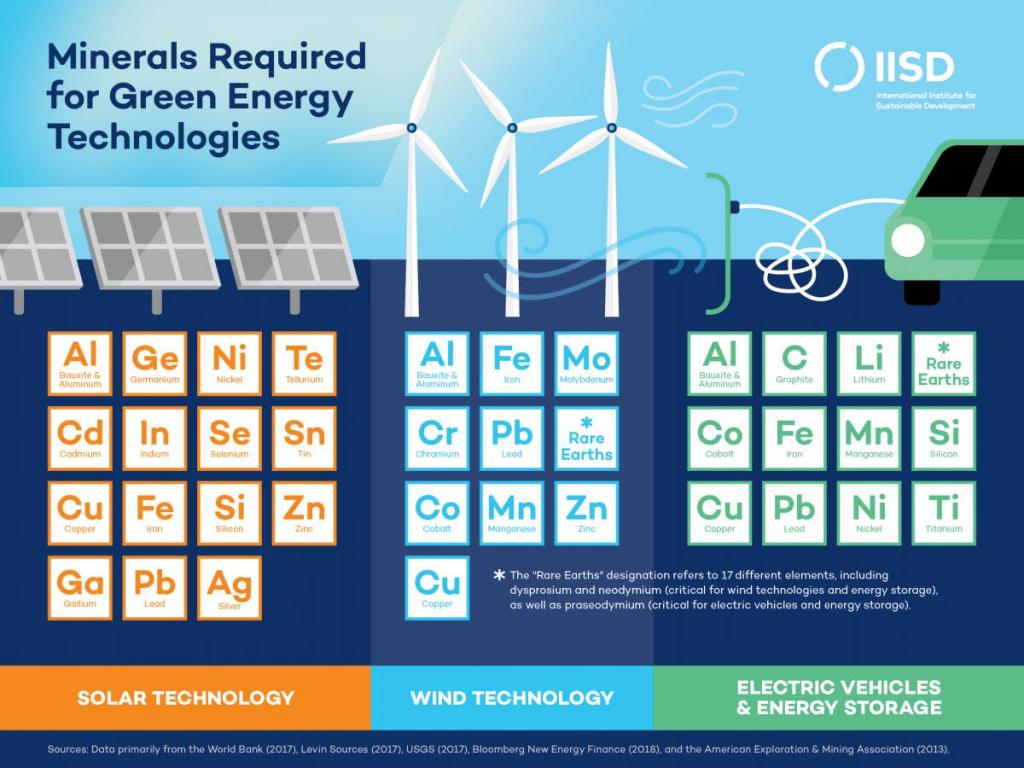
Recently, IISD overlaid fragility indicators with global reserves of 23 key minerals to map potential hotspots—places where increased demand could lead to grievances, tensions and conflicts. The study was the first of its kind to shed light on an important and often underreported aspect of the clean energy conversation.
minerals-green-tech-V2-horizontal-PPT.jpg

A number of initiatives, guidelines, and laws are already in place or under development to prevent the flow of so-called conflict minerals (specifically tin, tungsten, tantalum, and gold). IISD continues to advocate for these mechanisms to expand to the 23 “green conflict minerals” as well. That way, a lower carbon footprint will not come at the expense of people in the world’s most vulnerable places.


Success story

Is It Raining Plastic?

We need more research to understand the effects of microplastics on our fresh water—and find solutions, quickly. That's where our team of scientists come in.

July 24, 2020

Plastics are everywhere. Microplastics—those tiny particles the size of a sesame seed or smaller—have been found on top of mountains; at the bottom of oceans; in rivers and lakes; and in whales, birds, and fish.

It isn’t too difficult to imagine how all that plastic ends up in our bodies of fresh water. Research has shown as much as 75% of it comes from the disintegration of larger consumer products made of plastic—such as bottles, bags, and fishing gear.

Synthetic clothing such as fleece is another culprit, as are the microbeads found in some health and beauty products (recently banned by the United States and Canada).

Colourful discarded plastic containers and bags

Most microplastics come from the disintegration of larger consumer products. (Photo: curtoicurto)

But even though we know there is too much plastic where it doesn’t belong, there is a lot we still don’t know.

For example, what impacts do these plastics have on living organisms? Are plastic particles vectors for other contaminants? Do plastics build up in ecosystems? Can they travel through the air? And, given that we are all likely using more plastics due to COVID-related measures, what lasting impact will that have?

We need more research, including on real living freshwater ecosystems, to discover how big a problem microplastics really are—and how we can fix them.

That's exactly what makes our Experimental Lakes Area in Canada’s pristine boreal forest so unique and perfect for this whole-lake approach to experimentation.

The 58 lakes and their watersheds that make up the world's freshwater laboratory are at the top of the watershed and are not fed by any significant upstream sources. This means researchers can monitor the air and water in and around the lakes to determine how much plastic pollution already exists in remote lakes.

It also means that with a proposed whole-lake experiment (in this case, by carefully and safely adding microplastics and closely monitoring the ecosystem), we will better understand the impacts on the whole lake and food web that it supports. 

Scientists work in the open to measure and monitor fish

Scientists at the Experimental Lakes Area study all aspects of the ecosystem—from the atmosphere to fish populations. (Photo: Lauren Hayhurst)