Through Their Eyes
They say a picture is worth a thousand words. A photograph can do more than simply capture a moment. It can reveal how someone sees their community, what they value, what gives them hope, and how they experience change.
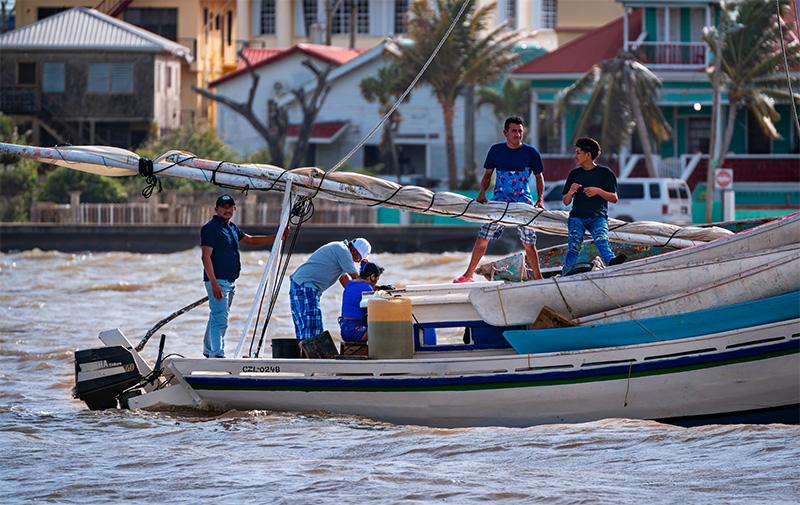
Tom Hines/IISD
Through the Climate Adaptation and Protected Areas (CAPA) Initiative's visual storytelling project, women, young people, and other underrepresented groups are showing exactly what this means in practice. They are using mobile photography to tell their own stories and explore what climate adaptation and resilience mean in their own lives. They have documented the people, places, and experiences that matter most to them.
The stories below are told through participants' own words and images. Together, they offer a glimpse into the connections between communities and nature, and the actions they are taking to protect both and build their resilience in a changing climate.
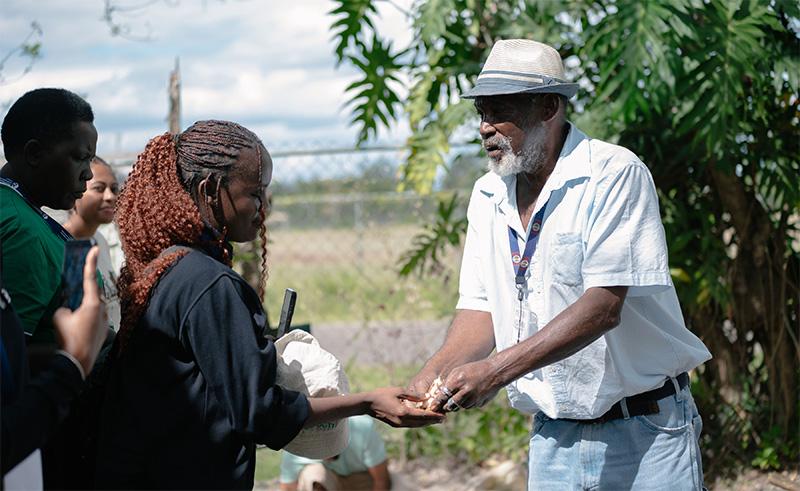
Aquila Flores/IISD
Climate change is transforming marine ecosystems around the world, and coastal communities in Belize are among those noticing the changes to both their ecosystems and their way of life.
Through her photographs, Veronica explores how David, an elder fisher, is responding to climate change by passing on his knowledge to the next generation and emphasizing the increasing need to fish responsibly.
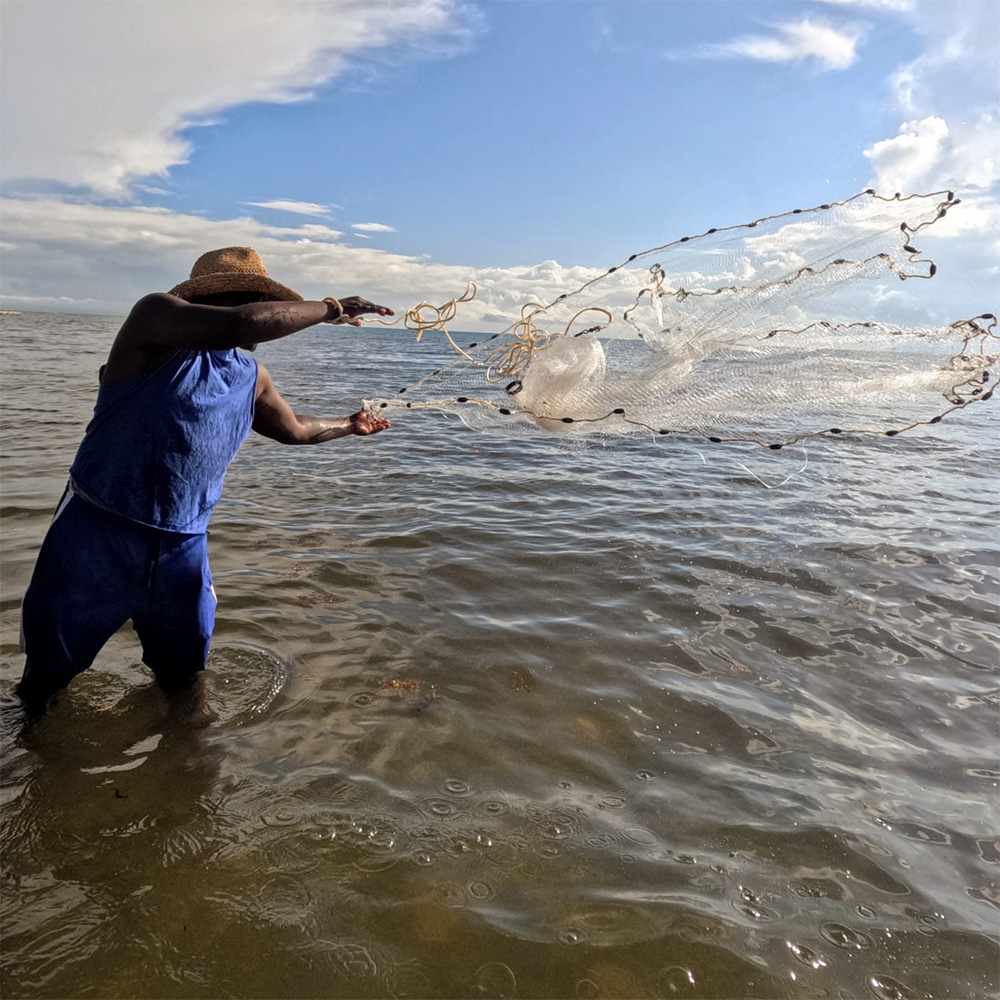
Listening to the Sea
Story and photos by Veronica Tun
Veronica Tun is a fisher and a member of the National Women in Fisheries Association in Belize.
David is from Dangriga Town, a coastal community where fishing is a way of life.
For years, the Indigenous Garifuna people of Belize have relied on farming and fishing for their livelihood. Their elders passed down fishing knowledge through hands-on teaching rather than through books.
But David says the whispers of the sea are growing quiet. Fish that were once found near shore are now farther away, and hours are spent fishing with only a small catch to show.
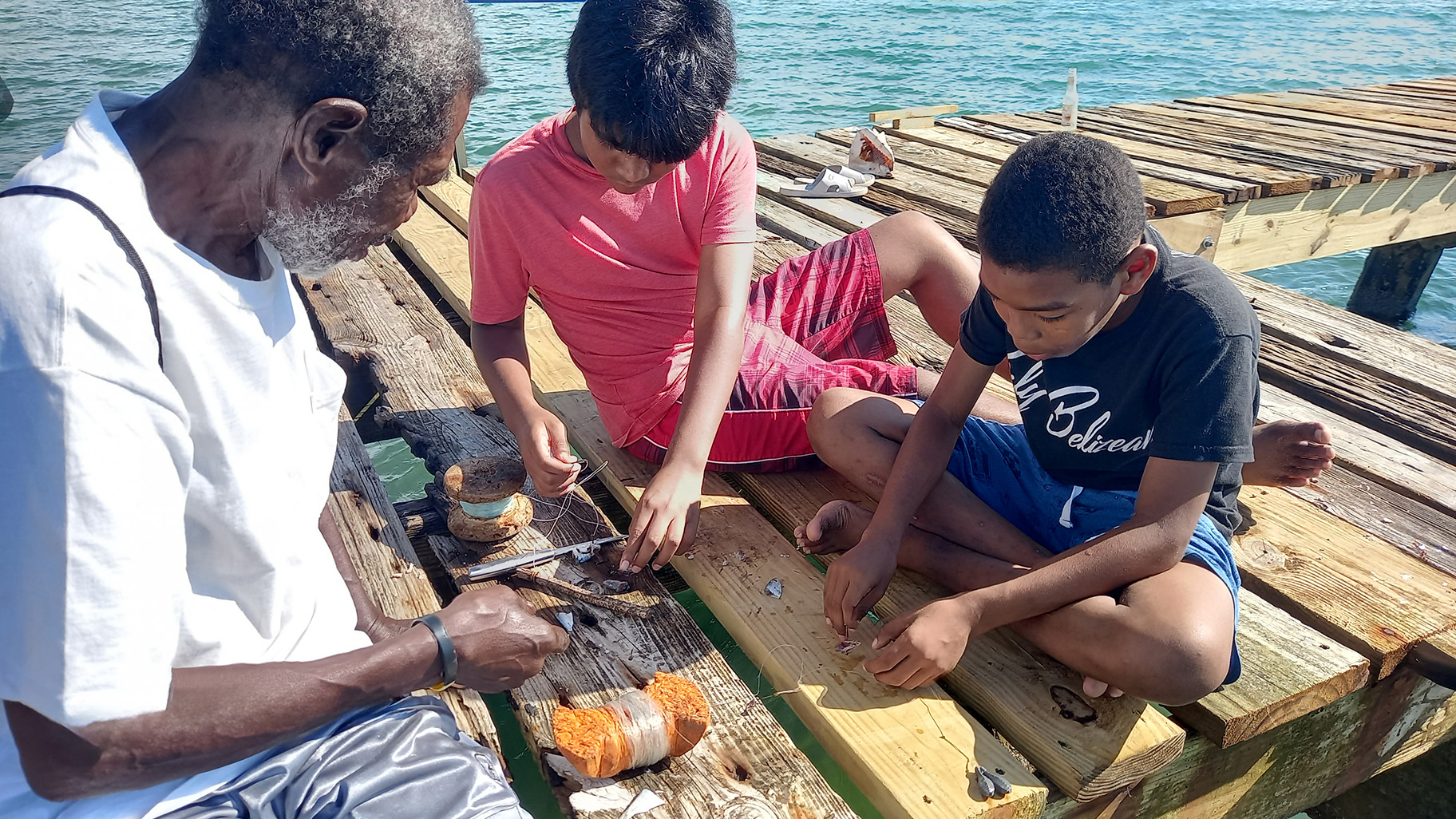
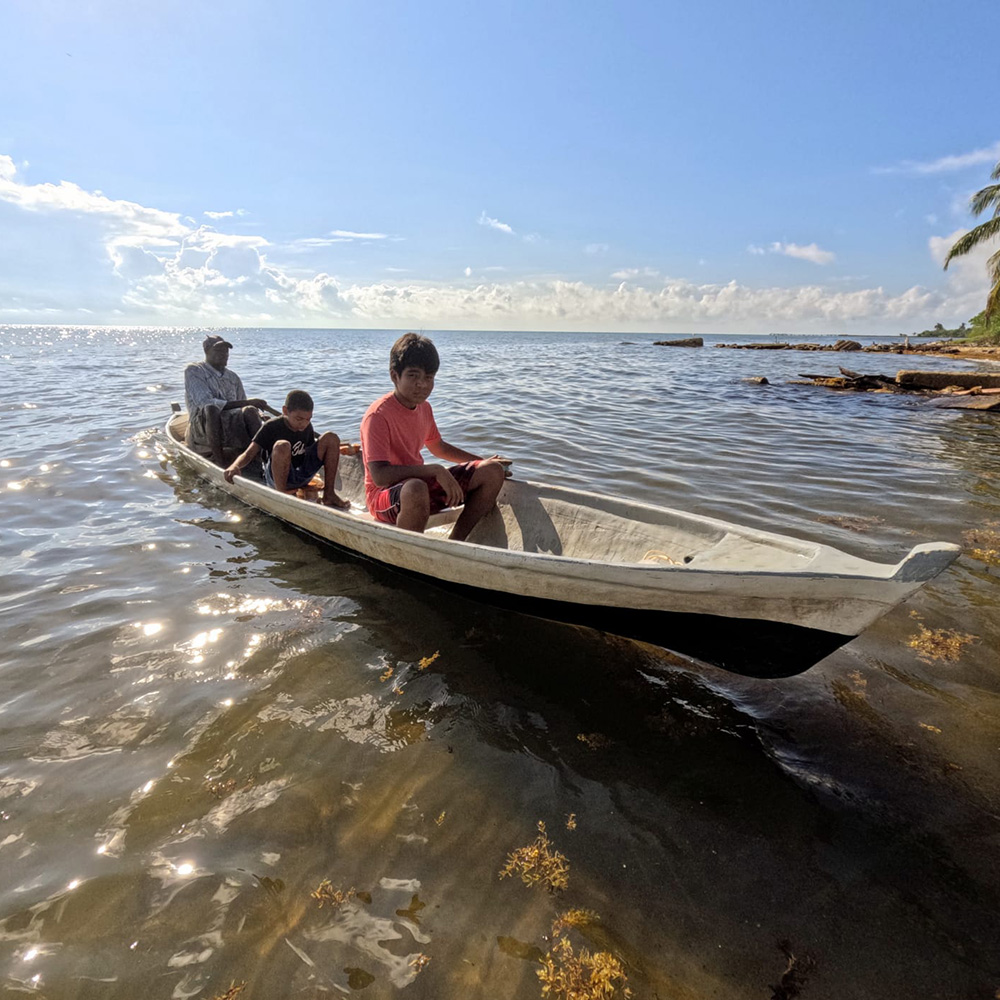
David and his fellow fishers believe the sea is in distress. They see it in bleaching corals, dead coral colonies, and algae overgrowing reefs. To David, these are signs of climate change.
One morning, he felt the sea "crying," telling him to pass on his knowledge to the younger generation.
Today, David sits with his grandsons at the pier, teaching them how to bait their lines and respect the sea. The lesson is more important than the size of the catch.
The sea speaks to fishermen like David. Every wave and sound reminds him to take only what he needs, leave enough for tomorrow, and teach children to fish responsibly.
As David knows, if this knowledge is not passed on and the signs are ignored, the next generation will only hear silence where the sea once whispered.
Seaweed farming is creating new opportunities for women and coastal communities in Belize while contributing to healthier marine ecosystems. As climate change affects marine ecosystems and traditional fishing, it is helping communities adapt by diversifying livelihoods, while seaweed farms also provide habitat for juvenile marine species. Kay chose an unusual narrator for her story: the seaweed itself.
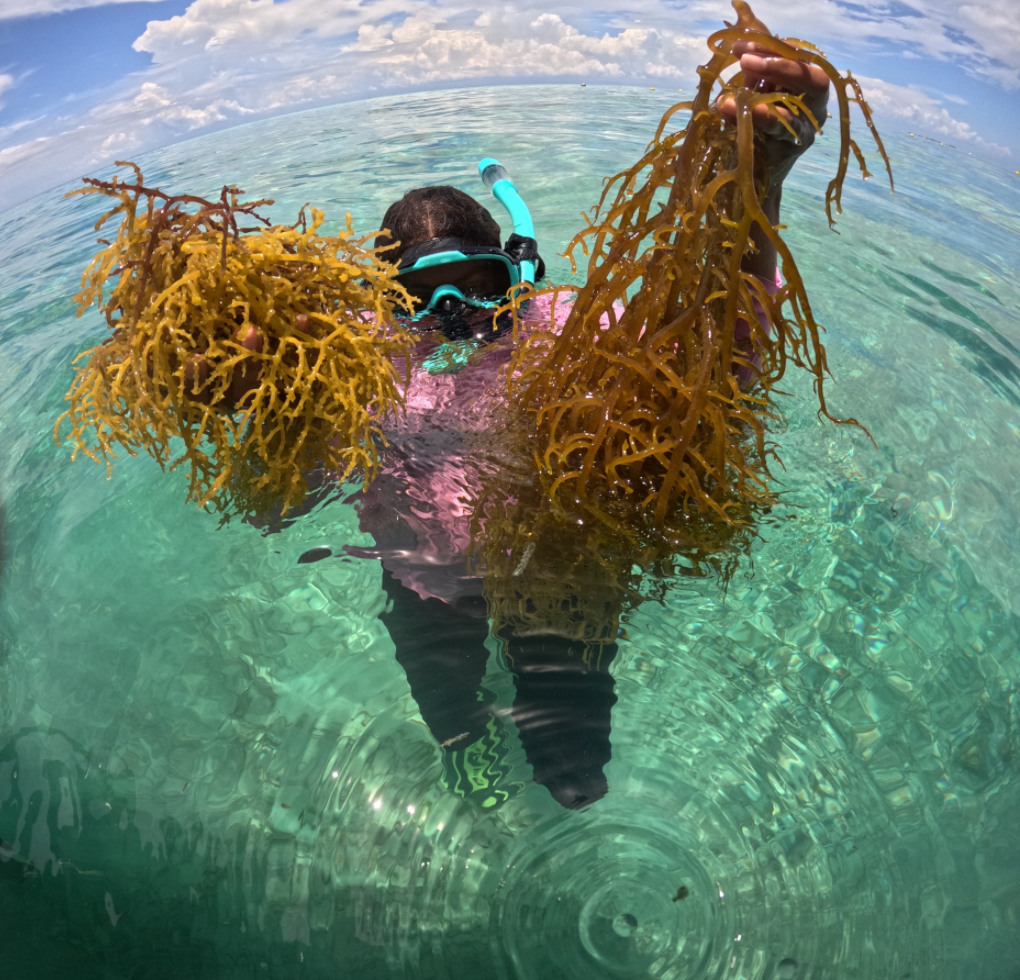
I Am Seaweed
Story and photos by Kay Jacobs
Kay Jacobs is a boat captain, seaweed farmer, member of the Belize Women's Seaweed Farmers Association, and entrepreneur.
My name is seaweed.
I was born in the beautiful Caribbean Sea just north of Ray Caye in southern Belize.
For a long time, many people didn't know who I was or what I could be used for. That changed when a group of women created the Belize Women's Seaweed Farmers Association.
My job is to make humans feel good from the inside out. I am packed with nutrients and have become an important source of income and opportunity for many women.
Getting to where I am today has not always been easy. Some days, the challenge is the weather. Other days, it is the changing conditions of the sea.
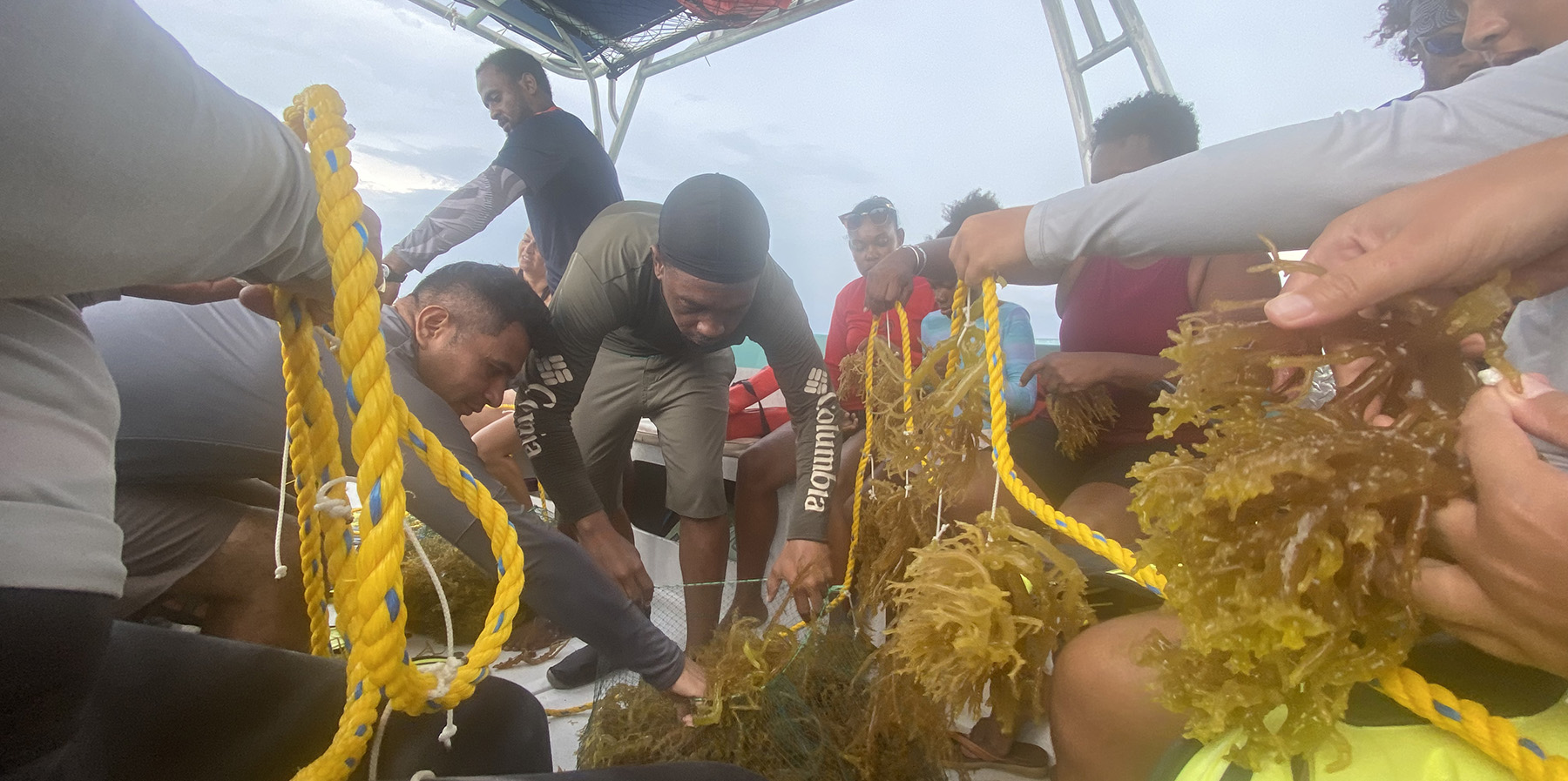
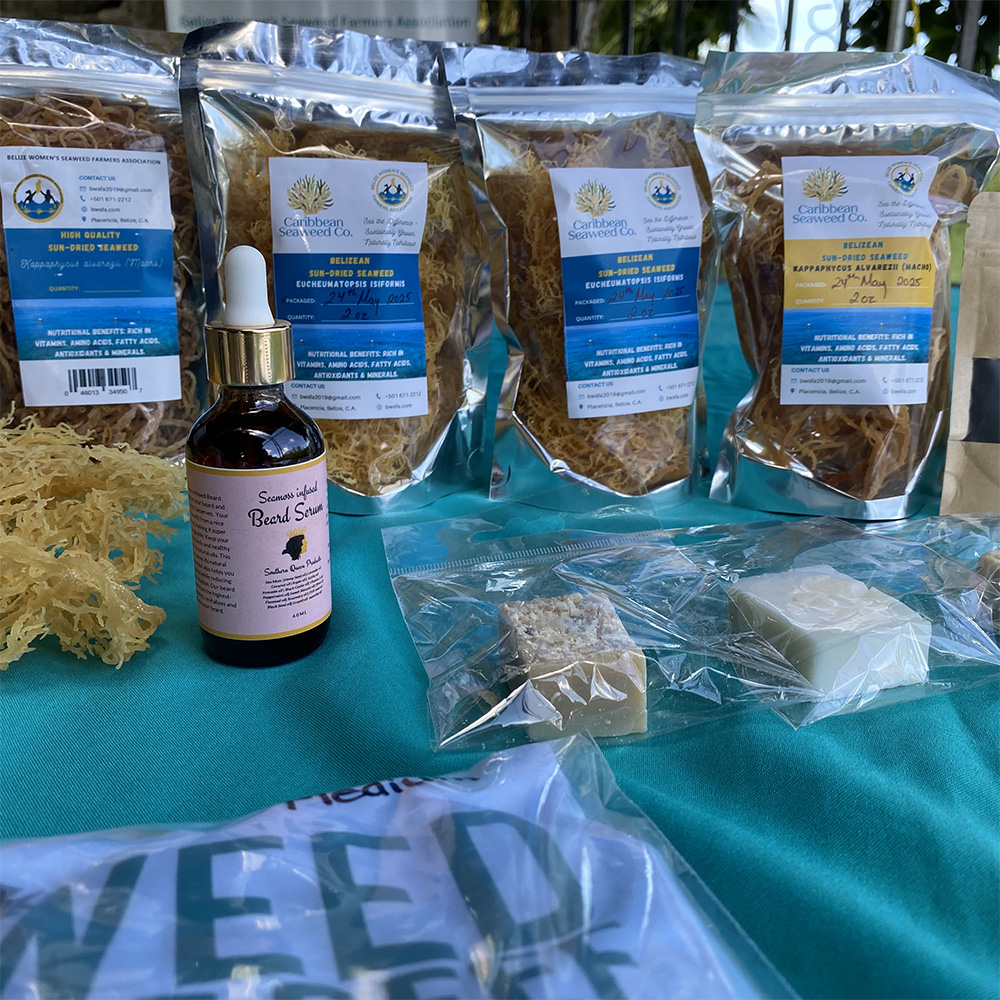
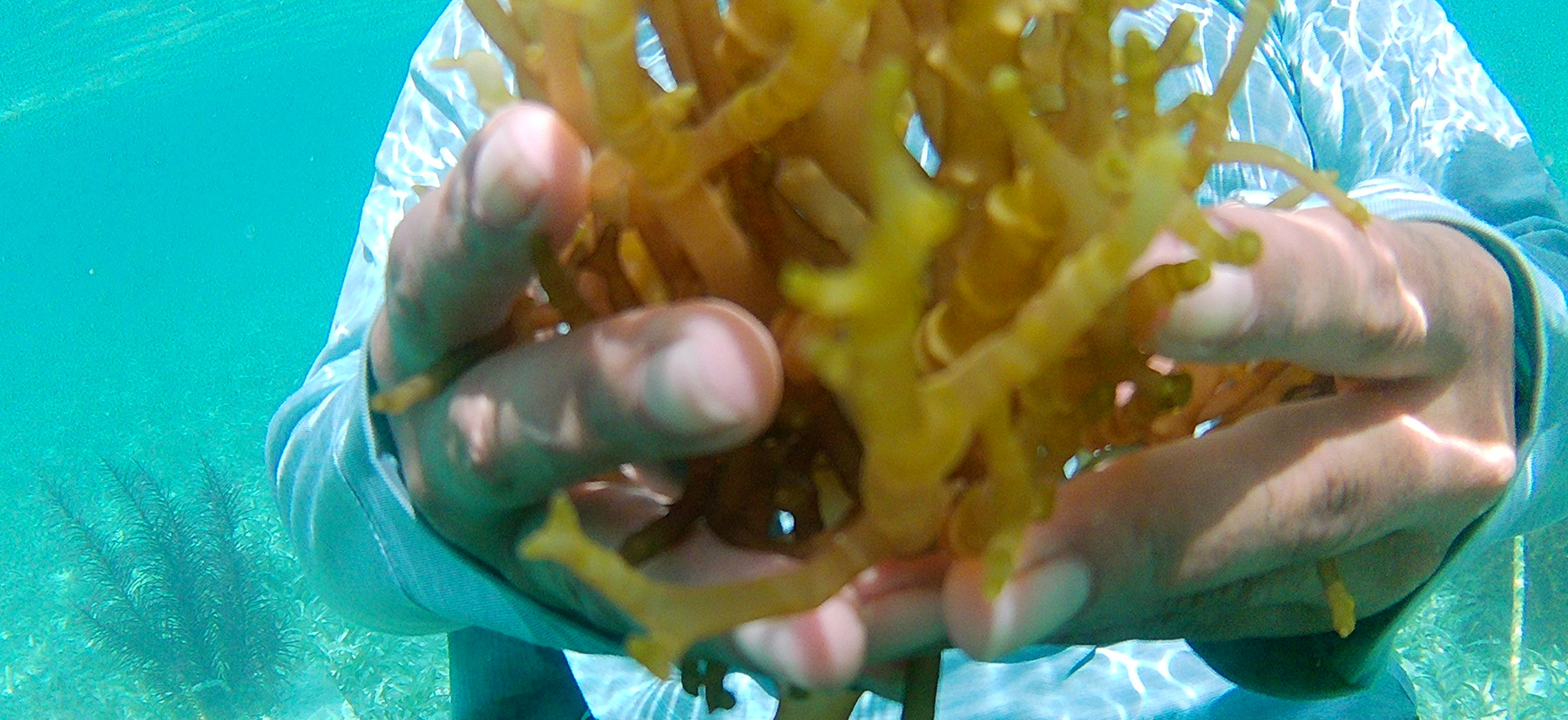
Being beautiful and nutritious comes with its hiccups. Water temperatures can become too warm, causing a disease called "ice ice." During hotter months, farmers move my home to deeper, cooler waters, helping me continue to grow and thrive.
To keep the crop going, harvesting is a treat, but planting more seaweed is a must.
Today, I am more than a crop. I support livelihoods, inspire new tourism opportunities, provide ingredients for products and food, and create habitat for juvenile marine species.
A relationship has been built between humans and me. It is a great feeling.
I am a force for better health. I create an alternative way of living.
Powerful me! I am Belizean seaweed.
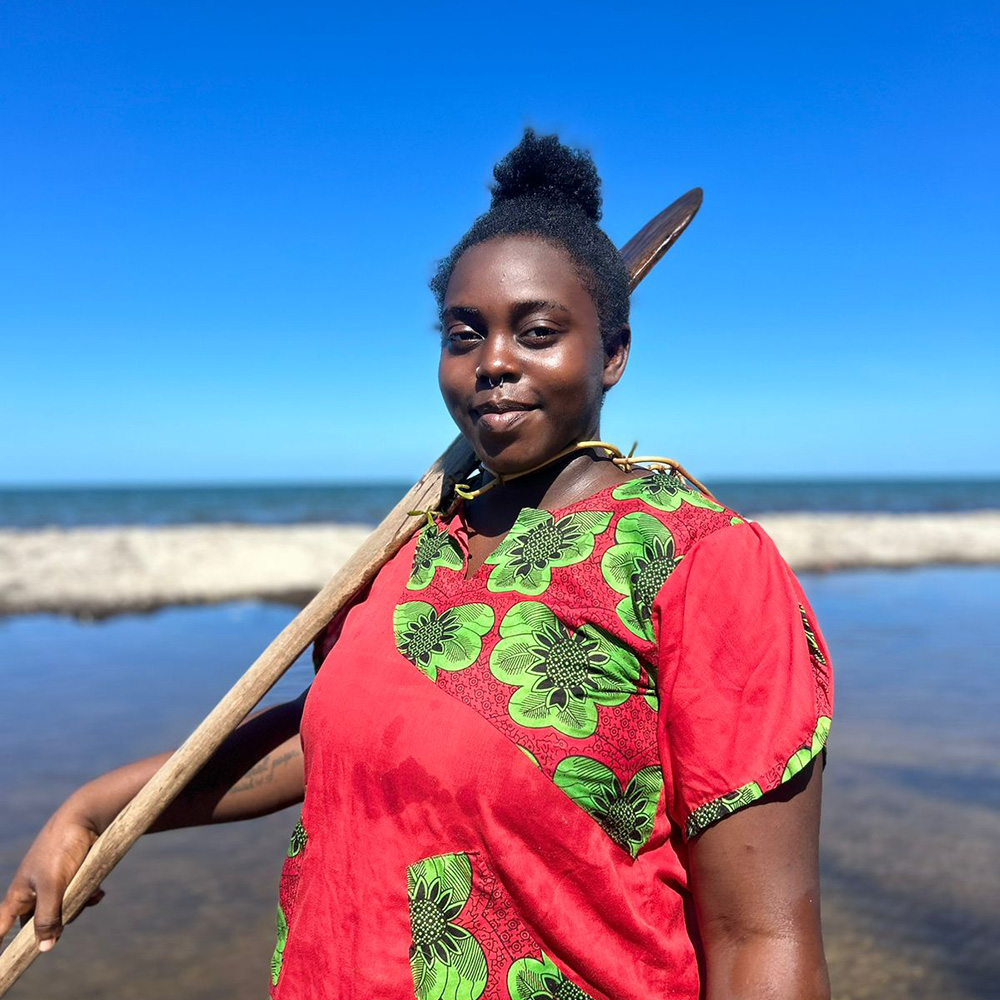
Mangrove forests are among nature's most effective defences against climate change. They protect coastlines from erosion and storm surges, support fisheries, store carbon, and provide habitat for countless species. Using mobile photography, Shamika tells the story of how her community came together to protect these critical ecosystems and why safeguarding nature is essential for building climate resilience.
Guardians of the Mangroves
Story and photos by Shamika Martinez
Shamika Martinez is a fisher and a tour guide, part of the Yugadan Fisherfolk Association.
My name is Shamika Martinez. I grew up in the coastal village of Hopkins.
Before transitioning to fishing on the reef, I learned my skills in the lagoon, where juvenile fish, crabs, and countless other species thrived among the mangrove roots. Mangroves protected our coastline, supported our reefs, and created a sanctuary for both people and wildlife.
As the village grew, development placed increasing pressure on these ecosystems. Towering mangroves that had stood for generations were cleared, leaving our community more vulnerable and disrupting the habitats that supported local fisheries and biodiversity.
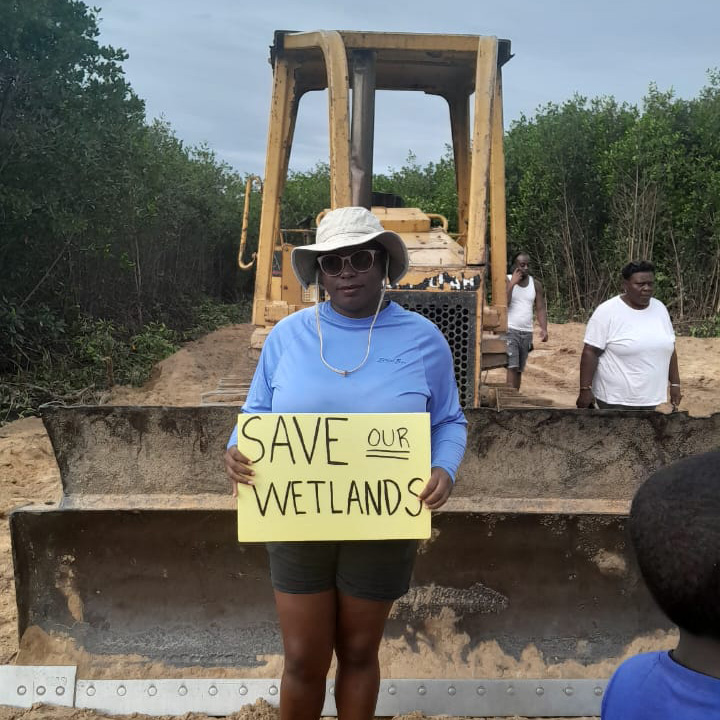
But Hopkins would not remain silent.
People from across the village, young and old, women and men, came together to restore the mangroves. We raised our voices, reclaimed damaged areas, and have now planted new mangroves to help restore what had been lost.
The fight continues, but so does our determination. By protecting and restoring one mangrove at a time, we are helping create a healthier coastline and a more resilient future for generations to come.
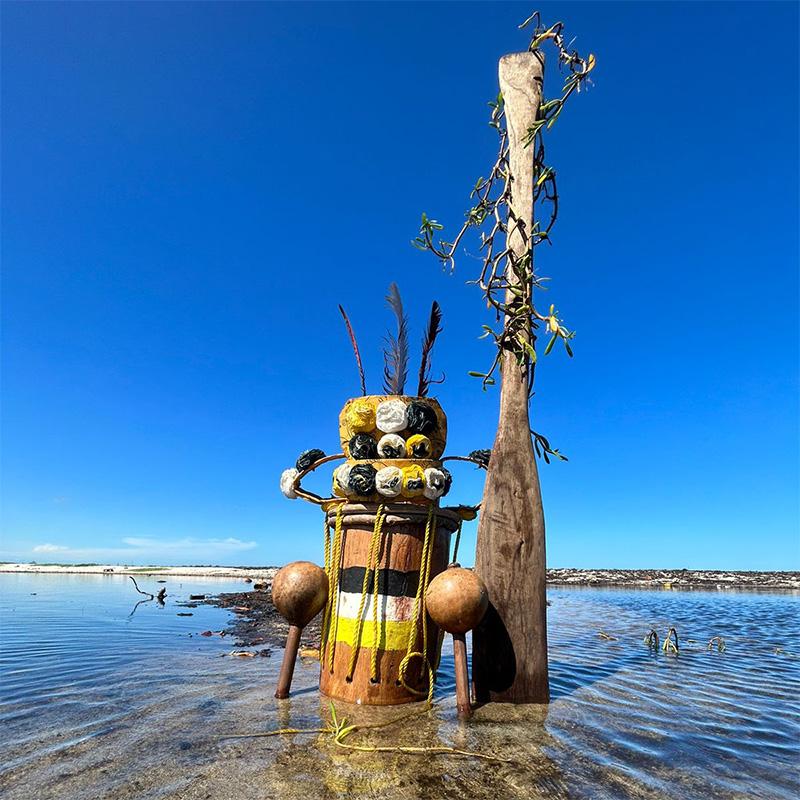
Shamika Martinez
More Than a Photograph
These stories remind us that climate adaptation is ultimately about people. Behind every conservation effort, livelihood activity, and community initiative are individuals whose experiences, knowledge, and perspectives help shape a more resilient future.
Their photographs show that adaptation is not an abstract concept. It is lived every day through the choices people make, the knowledge they pass on, and the actions they take to care for the places they call home.
In sharing these stories, participants are ensuring that local voices remain at the heart of conversations about climate adaptation and resilience in Belize.
Everyone has a story to tell. And if you have a mobile phone, you have the tools to share it with the world.
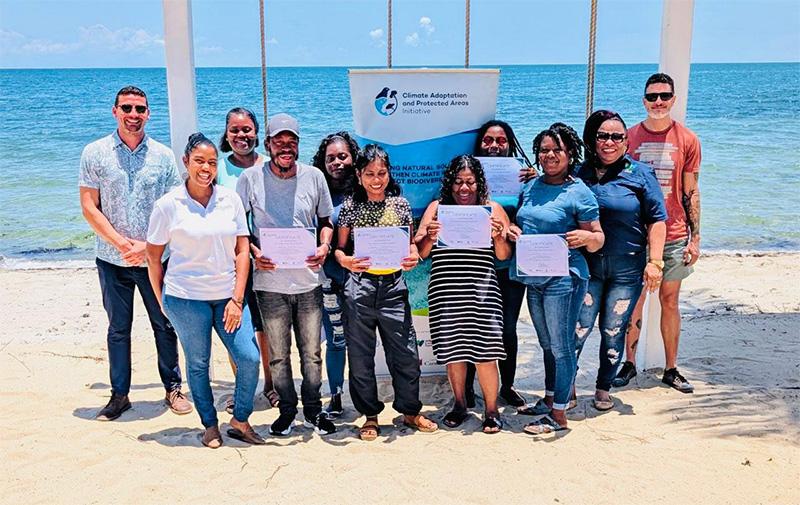
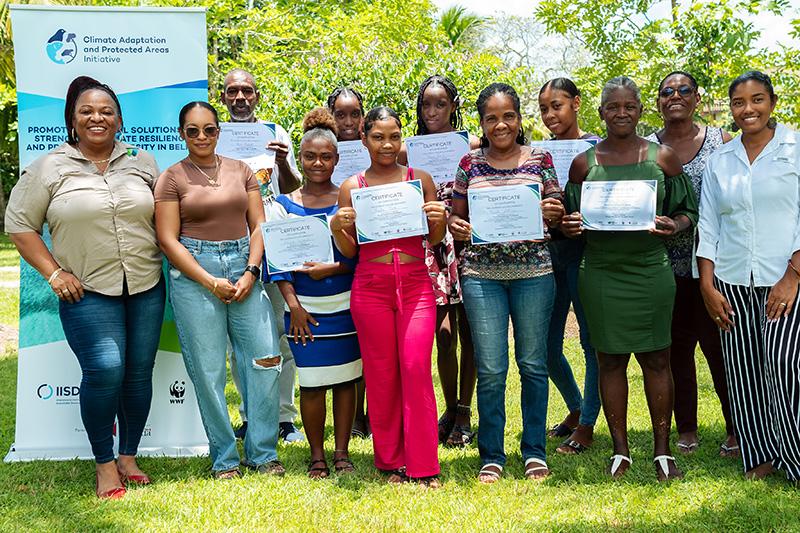
Participants with their certificates after completing the training.
The CAPA visual storytelling project was developed and led by IISD, with support from Wildlife Conservation Society Belize. Lensational, a social enterprise that works with underrepresented groups and communities to tell their own stories through photography, helped shape the training methodology and learning materials. Participants were also mentored by Belizean photographers Tom Hines and Aquila Flores, whose guidance and local knowledge helped bring many of these stories to life.
Learn more about the CAPA Initiative here.
You might also be interested in
Global Market Report: Coffee and sustainability
This Global Market Report examines coffee production, trade, and consumption trends alongside the growth of sustainability-certified coffee.
From Voluntary to Binding
This report examines how sustainability standards and initiatives are integrated into public mining governance, from voluntary to mandatory use, with case studies from Brazil, Madagascar, and Sweden.
Permitting for Critical Minerals
This report examines how governments can streamline permitting for critical mineral mining projects while protecting communities, human health, and the environment. Drawing on case studies across five continents, it identifies the characteristics of efficient permitting systems and provides practical tools for improving processes.
Leveraging Trade Policy for Climate Change Adaptation in Viet Nam’s Agricultural Sector
Identifying adaptation goods and services for Viet Nam's agriculture and strengthening coordination between trade and adaptation policy-makers.