
Nature-Based Approaches to Water Storage and Flood Mitigation
The Canadian Prairies need natural infrastructure solutions that improve water retention and provide multiple benefits, including better flood protection, restored water storage capacity, and healthier ecosystems.
Interest in water retention is growing—both globally and here at home. This webinar will highlight practical approaches to using water retention to rebuild natural storage in our landscapes and help communities prepare for water extremes.
Across the Canadian Prairies, many watersheds have lost much of their natural ability to store water due to historical and ongoing drainage and changes to the landscape.
Faced with more and more extreme weather events, exacerbated by climate change and historical drainage, we need natural infrastructure solutions that offer multiple benefits, such as flood protection and restored water storage capacity.
We look forward to learning how each organization is implementing different approaches to water retention, internationally and across the Canadian Prairies.
Key Takeaways from the Webinar:
- Historical and ongoing drainage has similar outcomes in both Denmark and the Canadian prairies – reduced water storage capacity on the landscape, resulting in even more excess flooding and severe drought, exacerbated by climate change. But restoring water storage capacity – or making landscapes “spongy” – is key to reducing vulnerability to these extreme events.
- Water retention strategies are critical in both urban and rural communities to build resilience to flood and drought. Proven solutions are already being implemented, with constructed wetlands providing stormwater management in urban landscapes, like Winnipeg, Manitoba, and wetlands providing water management in rural areas.
- And while these solutions help with flood and drought, they can be designed to provide broader benefits, like water quality improvements, carbon sequestration, wildlife habitat, and heat mitigation. Where water retention projects are already implemented, quantitative data can demonstrate their effectiveness. But the qualitative information from landowners, neighbours, and farmers also provides important insights into the effectiveness - like “I’ve not been flooded this year” or ”the only grazing place left”.
This webinar took place on November 18, 2025. Watch the full recording below or on YouTube.
Our Speakers
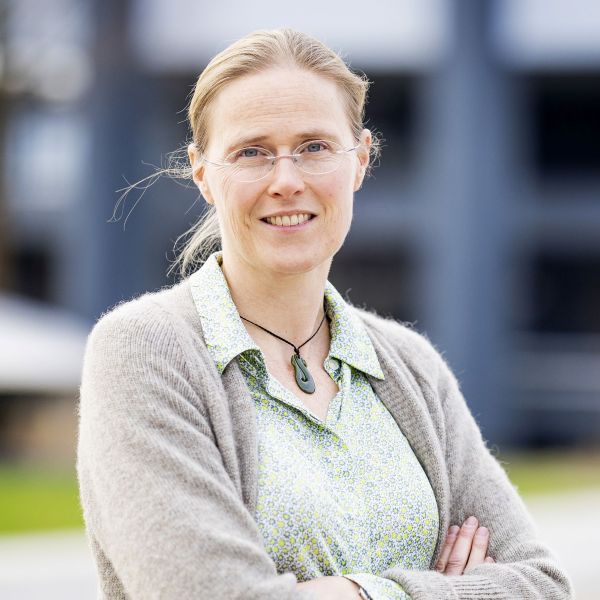
Dr. Ellis Penning is an expert on nature-based solutions at Deltares, the Netherlands and coordinator of the EU project SpongeScapes, and co-coordinator of the EU project SpongeWorks. These projects focus on enhancing climate resilience through improved water retention at landscape scale using NbS. An aquatic ecologist by training, Dr. Penning is actively contributing to furthering the holistic evaluation of these solutions for both floods, droughts, biodiversity and socio-economic impacts, using a wide variety of assessment methods.
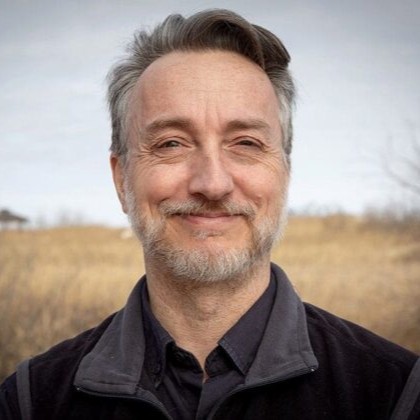
Pascal Badiou is a Research Scientist with the Institute for Wetland and Waterfowl Research (IWWR) of Ducks Unlimited Canada, interested in the role wetland restoration and conservation can play in regulating water quality and quantity in agricultural watersheds of the Canadian Prairies. Additionally, Pascal conducts research in the use of constructed wetlands for the management of stormwater and treatment of sewage effluent to improve water quality at the watershed scale within urban environments.

Dr. Richard Grosshans is the Bioremediation Lead in IISD’s Water Program. He received his PhD in Biosystems Engineering and Biological Sciences at the University of Manitoba, where he was an NSERC IPGS Research Scholar. His current research crosses multiple disciplinary boundaries focused on integration of water, energy, and nutrient management with sustainable agriculture, bioproducts, and bioenergy. Richard’s expertise is in wetland systems, integrated watershed management, environmental engineering, biogeochemistry, nutrient management, water quality, bioremediation, eutrophication in aquatic systems, alternative energy, and bioproducts and bioenergy.
Our Moderator:

Jessica Vanstone is a Senior Research Officer within the Adaptation and Resilience Analysis Unit, Climate Resilience Branch, Ministry of Environment. She’s earned Bachelor of Science degrees in both Biology and Geography and a Master of Science degree in Geography, from the University of Regina, with specializations in climatology, hydrology, dendrochronology, climate extremes and adaptation to a changing climate. For over 18 years Jessica has studied and worked within the fields of tree-ring science, hydrology, water resources and management, environment and climate change; and currently works as a member of a dedicated team to support the preparedness and resilience of Saskatchewan and its people to the climatic, economic and policy effects of a changing climate.
Resources:
- Natural Infrastructure for Flood Mitigation (IISD)
- Natural Infrastructure for Water Supply and Drought Mitigation (IISD)
- City of Brandon Naturalized Stormwater Pond Guidelines (.pdf)
- European NWRM+ platform – database with many natural water retention measures factsheets and examples (NWRM)
- Spongescapes — EU project on scientific evidence for the evaluation of water retention measures (Spongescapes)
- SpongeWorks — EU project on the upscaling of NbS and freshwater ecosystem restoration (SpongeWorks)
- European Commission Water Resilience Strategy (European Commission)
Thanks to our webinar series partner:

Funded in part by:
Upcoming events
Session 2 | Financing a Transition Away From Fossil Fuels: Building an implementation network for Santa Marta workstream 2
Tailored to the Americas, Africa, and European regions, this webinar will drawing on existing initiatives and useful precedents for the transition away from fossil fuels with the goal of building a network to support country-led implementation.
Session 1 | Financing a Transition Away From Fossil Fuels: Building an implementation network for Santa Marta workstream 2
Tailored to Asia-Pacific, Africa, and European regions, this webinar will drawing on existing initiatives and useful precedents for the transition away from fossil fuels with the goal of building a network to support country-led implementation.
From Evidence to Investment: The systemic challenges facing nature-based infrastructure
Evidence from 45 assessments in 29 countries shows that nature-based infrastructure delivers strong financial returns and social and environmental gains.
IGF 22nd Annual General Meeting
The 22nd IGF AGM will be held under the theme of Trust in an Interdependent World: Advancing inclusion and resilience in mineral value chains.