
IISD’s Best of 2025: Articles
As 2025 draws to a close, we’re revisiting our most-read articles of the year.
1. COP 30 Outcome: What it means and what’s next
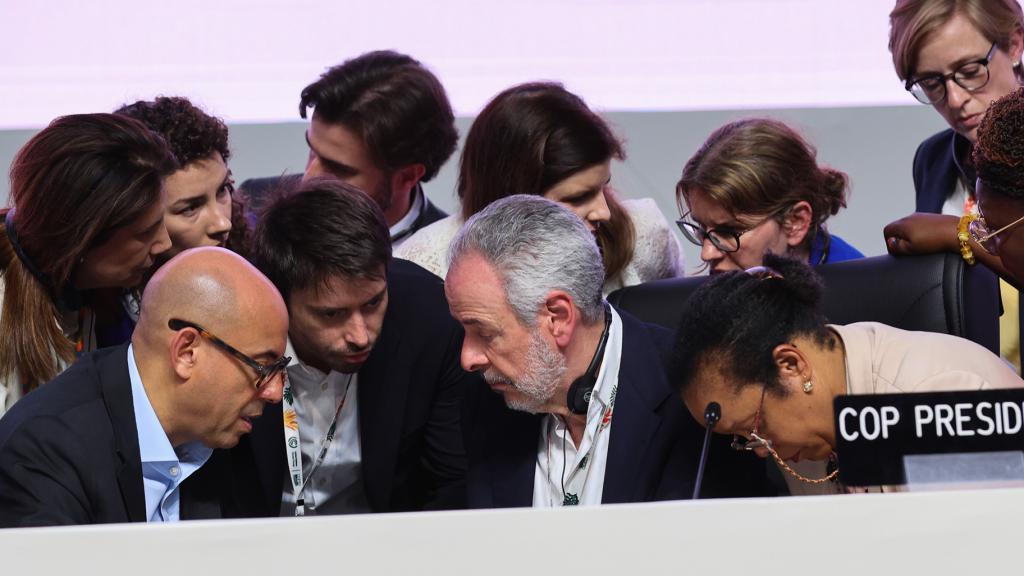
This year’s COP was meant to focus less on what the world must do and more on how to make it all happen. With major commitments already on the table, negotiators were expected to pin down tools, indicators, and processes to turn aspirations into action. But deep divisions on finance, trade measures, mitigation pathways, and other areas stalled progress on these decisions until the very last moment. Our experts break down what it all means.
2. Historic International Court of Justice Opinion Confirms States’ Climate Obligations
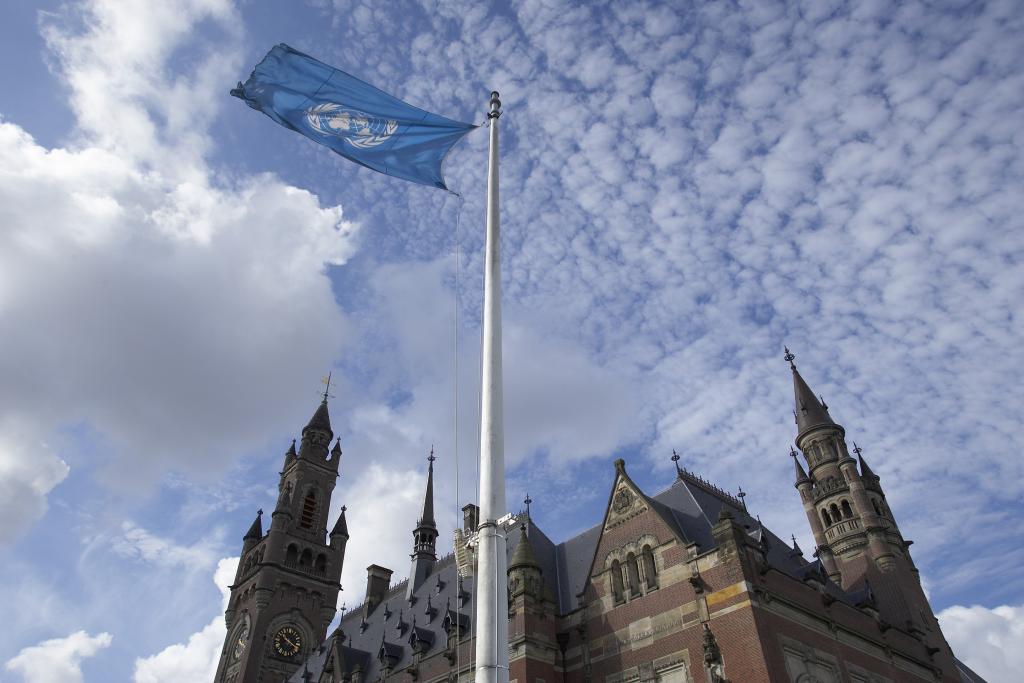
In July, the International Court of Justice delivered its landmark advisory opinion on “the obligations of states with respect to climate change.” The court determined that the 1.5°C temperature target is legally binding under the Paris Agreement and that all states, particularly the largest emitters, must take ambitious mitigation measures in line with the best available science.
3. Indonesian Electric Vehicle Boom: A temporary trend or a long-term vision?
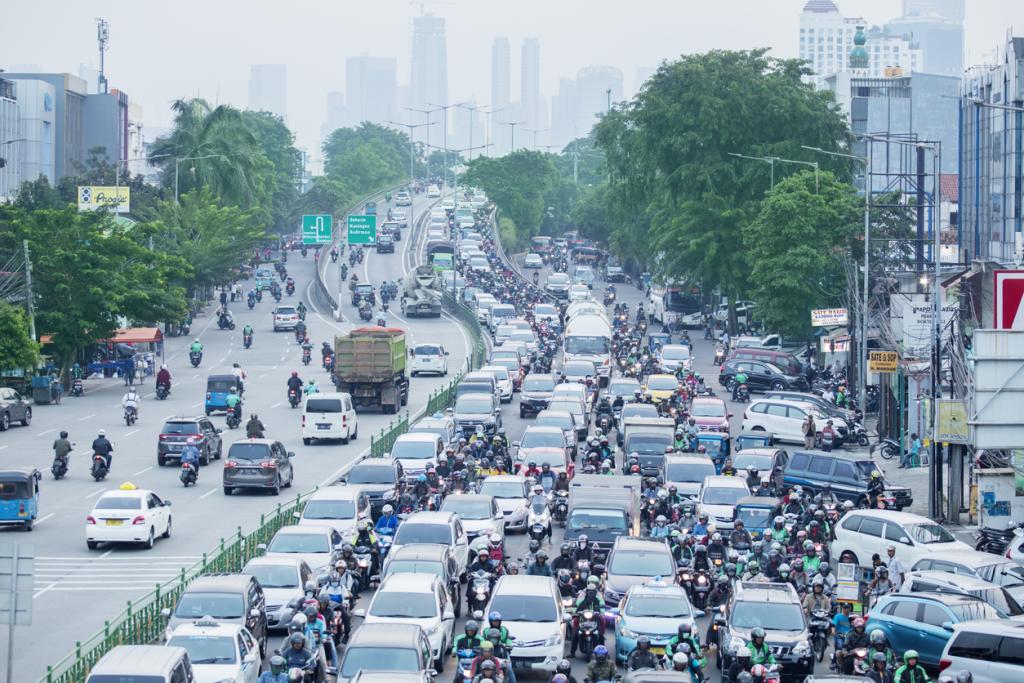
The Indonesian government has set an ambitious target of deploying 2 million electric cars and 12 million electric two-wheelers by 2030 to reduce carbon emissions. To achieve this, it has introduced policies to promote electric vehicle adoption and foster industry growth. But what exactly has been implemented, and will these policies lead to sustainable growth or merely a temporary boom of electric vehicles in the country?
4. What to Expect at COP 30
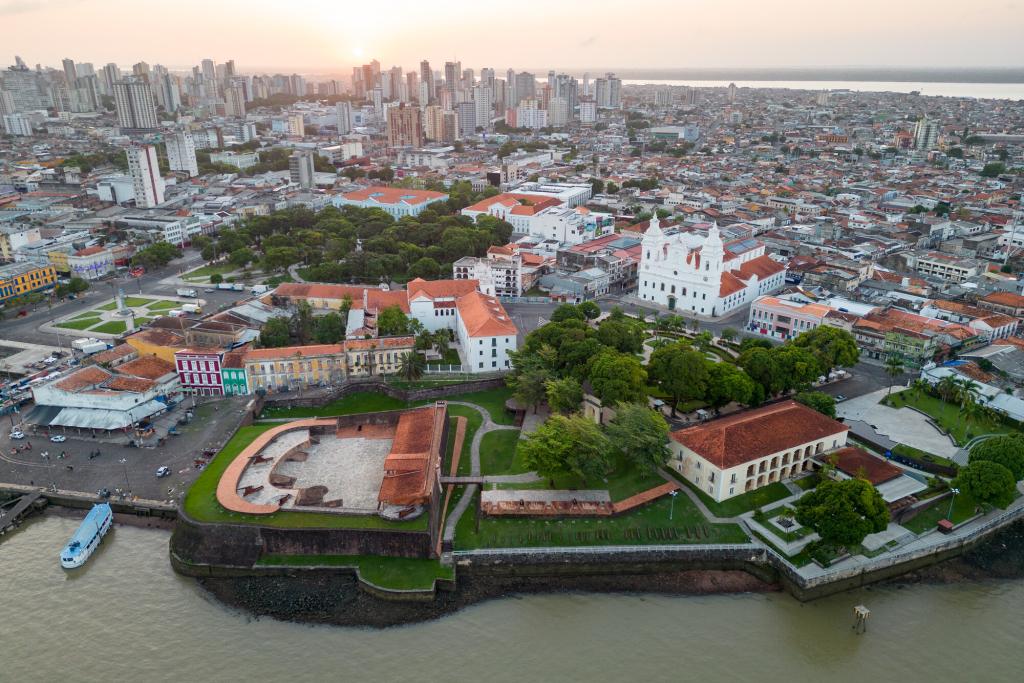
The year leading up to COP 30 featured tense geopolitical showdowns and devastating climate change-fuelled events. Ahead of negotiations in Belém, Earth Negotiations Bulletin Team Lead Jennifer Bansard examined the agenda and broke down the complex factors converging in Brazil and shaping COP.
5. UN Convention on Tax: What happened at recent negotiations, and what’s next?
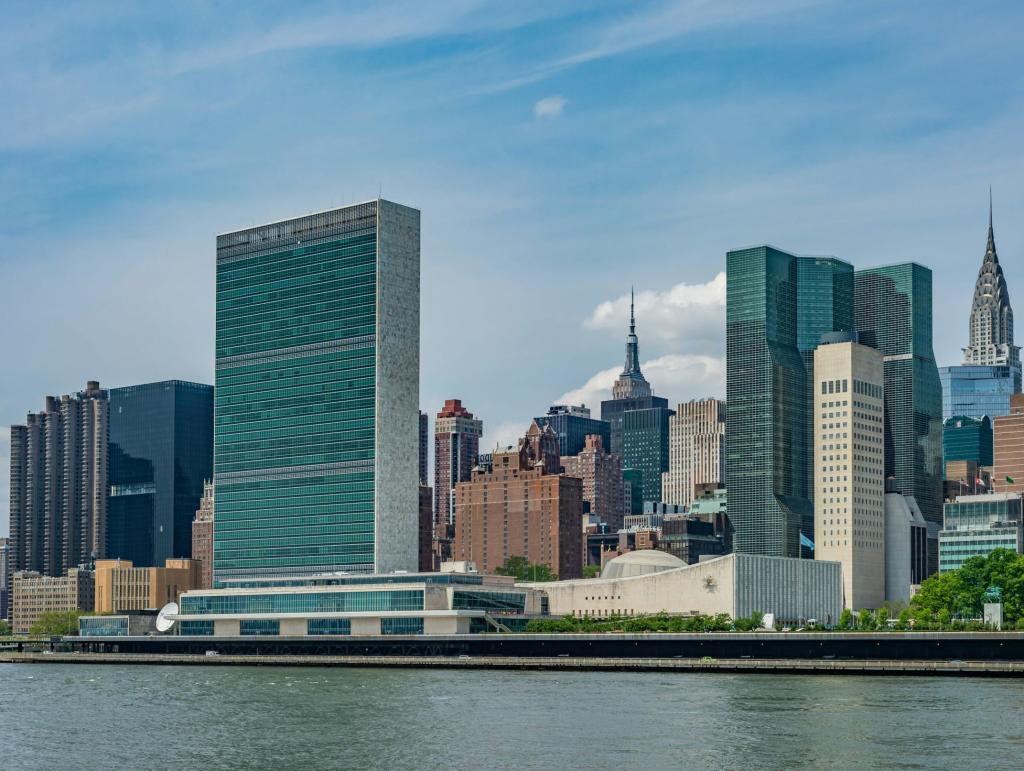
In February, negotiations on a UN Tax Convention kicked off, aiming to create a system of international tax cooperation to close existing gaps in tax systems that prevent many countries from collecting much-needed tax revenues. Tax policy experts Elisângela Rita and Kudzai Mataba break down the decisions made and discuss how the convention can best tackle developing countries’ challenges.
6. How Africa Is Responding to U.S. Tariff Policies
In April, Trump issued Executive Order 14257, which introduced sweeping tariffs on products imported into the United States from 190 countries and territories. In this report, Kholofelo Kugler and Tani Washington examine how African countries responded to the administration’s tariff regime and emphasize the importance of a coordinated continental strategy.
7. Building the Business Case for Biodiversity Credits: Hybrid financing solutions for scalable conservation

Biodiversity credits are a critical tool to bridge the global biodiversity funding gap by fostering measurable conservation outcomes. In this article, David Kramer explores how integrating biodiversity credits into hybrid models, such as debt-for-nature swaps or carbon credits, could attract broader private sector investments and highlights challenges to outcome measurement.
8. Seven Ways Fossil Fuel Subsidies Undermine Energy Security

Fossil fuel subsidies are often seen as a safety net, protecting consumers from rising energy prices. But do they actually help build long-term energy security? Our experts explain why this assumption might be deeply misleading.
9. Why Canadian LNG Is Not a Path to Global Energy Security or a Stronger Domestic Economy
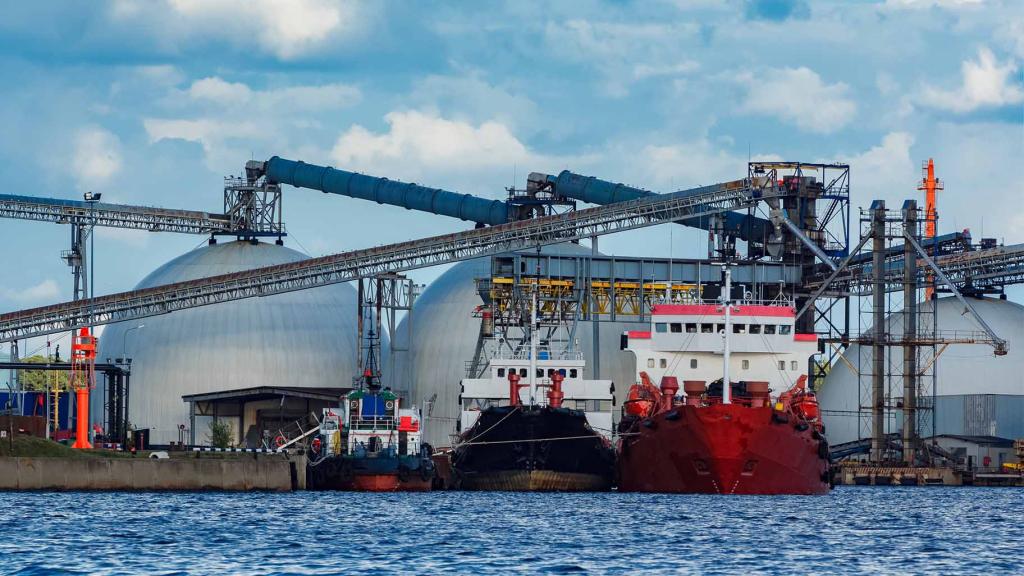
Unstable prices, costly infrastructure, and growing climate risks—these are just a few of the reasons why liquefied natural gas (LNG) is a risky bet for Canada and its trading partners. Our experts Steven Haig and Nichole Dusyk explain how LNG falls short on achieving either energy security for importers or economic resilience for exporters.
10. What to Expect at the Bonn Climate Change Conference 2025
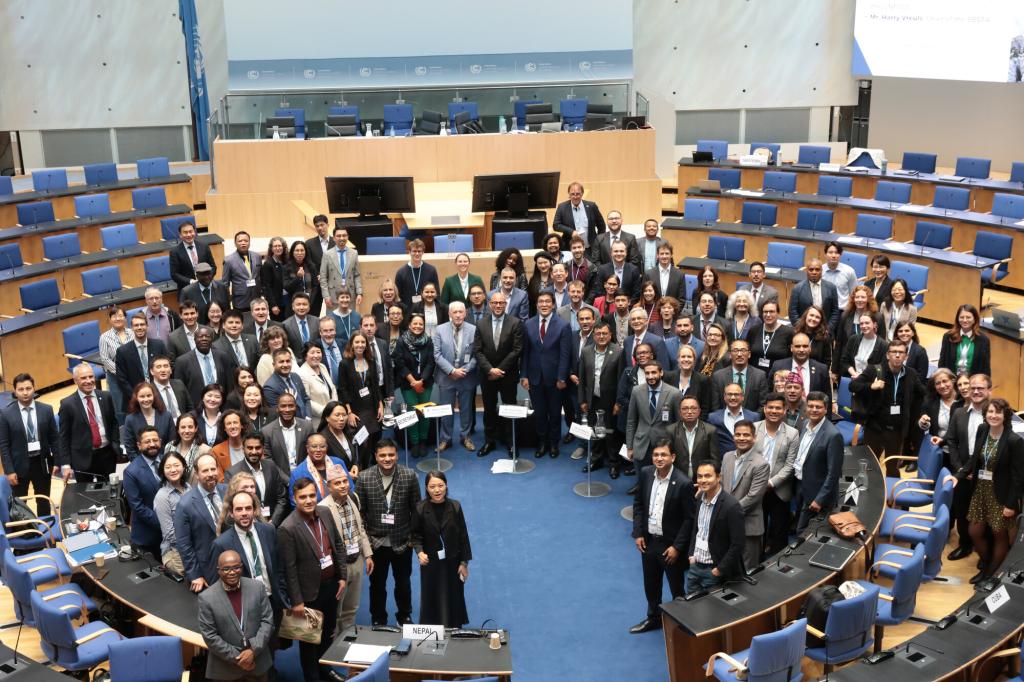
When climate change negotiators gathered at the annual Bonn Climate Change Conference for their midyear talks, they prepared to take up unfinished items from their last meeting in Baku, Azerbaijan, and to advance technical items with the aim of ensuring COP 30 was a success. Ahead of the conference, Jennifer Bansard, team lead for the Earth Negotiations Bulletin team, shared the key items to watch for.
You might also be interested in
Midpoint of the UN Tax Convention Negotiations: Where do talks stand?
The negotiations for a new UN Framework Convention on International Tax Cooperation have hit their halfway point. Here's a look at where things stand, what was on the table this round, and what's coming next.
Canadian Exporters Face New Reporting Costs as Carbon Border Taxes Multiply
The European Union’s carbon border tax will add new compliance costs for Canadian businesses that trade certain products, especially steel and aluminum, to the bloc. The increased costs—linked to differing demands for measuring, reporting, and verifying a product’s greenhouse gas emissions across the growing number of countries adopting border carbon adjustment (BCA) mechanisms—“make it tough for any exporter to those markets,” Aaron Cosbey, senior associate at the International Institute for Sustainable Development (IISD), told The Energy Mix.
Experimental Lakes gets $2M for major facilities upgrade
A one-of-a-kind research station is studying small lakes to inform freshwater science all over the world is getting a new facility with more space for scientists and students. Located between Dryden and Kenora, the International Institute for Sustainable Development’s Experimental Lakes Area allows scientists and students to run experiments on 58 small lakes in the area.
Province investing $2M to ‘ensure northwestern Ontario remains a global leader in freshwater science and research’
The Government of Ontario is making a targeted investment to “strengthen northern Ontario's leadership in freshwater science, support research and innovation and create new educational and economic opportunities in the region.” On Aug. 13, the Northern Ontario Heritage Fund Corporation (NOHFC) — a regional granting subsidiary of the provincial government — announced that it will be investing $2 million to build a new Centre for Climate and Lake Learning at the International Institute for Sustainable Development Experimental Lakes Area (IISD-ELA), which is located about halfway between Kenora and Dryden.