
Greening the Dry Environment: Climate adaptation and livelihoods in Dire Dawa, Ethiopia
Helping cities adapt to climate change by using nature-based solutions (NbS) is especially challenging in drylands—the 41% of global land area where water loss often outstrips the precipitation rate. SUNCASA partners from Dire Dawa, Ethiopia, share their experiences deploying NbS, with learnings that may help the 2 billion people globally who live in drylands.
Dire Dawa, a historic semi-arid city in eastern Ethiopia, faces mounting climate challenges marked by rising temperatures, unpredictable rainfall, recurrent flash floods, and the urban heat island effect. Environmental degradation and declining agricultural productivity have increased the risk of desertification, while rural livelihoods are strained by water scarcity and food insecurity (Hailu & Reddy, 2014).
Recognizing the need for action, the Scaling Urban Nature-Based Solutions for Climate Adaptation in Sub-Saharan Africa (SUNCASA) project partnered with the Dire Dawa Administration, Haramaya University, and Hararghe Catholic Secretariat to address the city’s most pressing climate challenges.
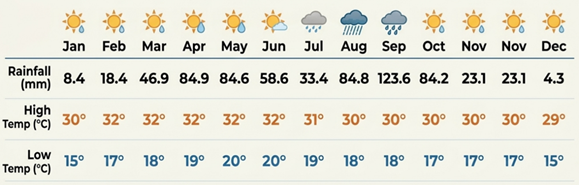
NbS offer a cost-effective and sustainable approach to climate adaptation by restoring ecosystems that naturally buffer against floods, droughts, and extreme heat challenges that are particularly severe in dry cities like Dire Dawa.
Here, the SUNCASA experts collaborate closely with local communities to restore degraded landscapes. These interventions include afforestation, agroforestry development, buffer zone rehabilitation along vulnerable areas of the watershed, and urban greening initiatives. Although tree planting has been practiced in the region for many years, earlier efforts often relied on a narrow range of fast-growing species, with limited consideration of ecological suitability, species diversity, and long-term landscape resilience.
To address these limitations, the SUNCASA experts prioritize indigenous, drought-tolerant, and multipurpose species that support ecological restoration while providing livelihood benefits for local communities. The approach places strong emphasis on strategic species selection based on ecological adaptability, functional diversity, and compatibility with the semi-arid conditions of the Dechatu watershed.
Priority is given to indigenous or well-adapted tree and shrub species capable of tolerating drought, degraded soils, and high temperature variability, such as Acacia saligna, Acacia tortilis, Ziziphus spina-christi, Psidium guajava, Coffea arabica, Mangifera indica, Cenchrus purpureus, and Melia azedarach, which were selected for their adaptability to local climatic and soil conditions, as well as their capacity to contribute to both ecological restoration and community livelihoods.
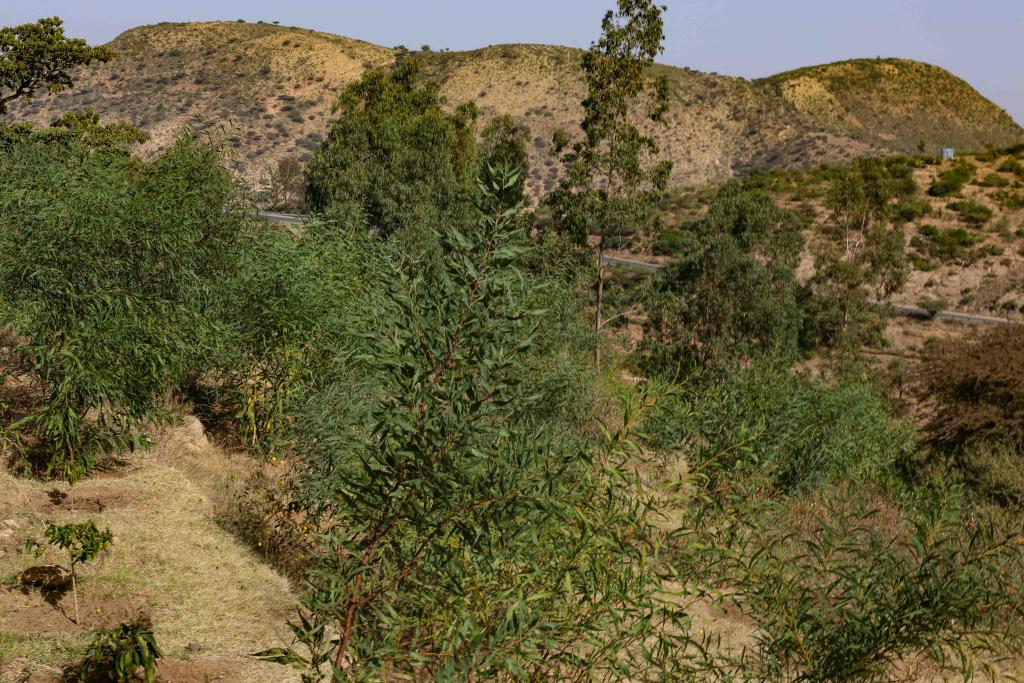
The project further promotes multipurpose plant species that provide multiple ecological and socio-economic functions simultaneously. Such species contribute to soil stabilization, erosion control, microclimate regulation, and carbon sequestration, while also providing products and services such as fodder, fruits, fuelwood, shade, and biodiversity support.
A diverse assemblage of locally adapted and multifunctional species advances ecosystem restoration, strengthens ecological connectivity across the watershed, and enhances the overall functionality and resilience of the Dechatu River catchment landscape.
The survival rate counts conducted so far provide strong evidence that the "choosing the right plant for the right place" approach is delivering results.
| Species | Type | Ecological Functions | Livelihood Benefits |
| Acacia tortilis | Indigenous tree | Soil stabilization, drought tolerance, biodiversity support | Fodder, fuelwood, shade |
| Ziziphus spina-christi | Indigenous tree | Dryland ecosystem resilience, supports wildlife | Edible fruits, medicinal uses |
| Cordia africana | Indigenous tree | Soil protection, enhances landscape diversity | Timber, shade |
| Azadirachta indica | Urban/roadside tree | Urban cooling, pollution mitigation | Medicinal value, shade |
| Acacia saligna | Fast-growing shrub/tree | Rapid soil stabilization and erosion control | Fuelwood, windbreak |
| Psidium guajava | Fruit tree | Supports agroforestry diversity, soil protection | Fruits, income generation |
| Coffea arabica | Agroforestry crop | Enhances shaded agroforestry systems, improves biodiversity | Cash crop, livelihood income |
| Mangifera indica | Fruit tree | Provides canopy cover and contributes to agroecosystem diversity | Fruits, household nutrition, and market value |
| Cenchrus purpureus | Perennial grass | Erosion control, slope stabilization, improves infiltration | Livestock fodder |
As green spaces are especially limited in dryland regions, urbanization can impose significant social and environmental pressures, making NbS interventions vital for sustainable cities’ resilience.
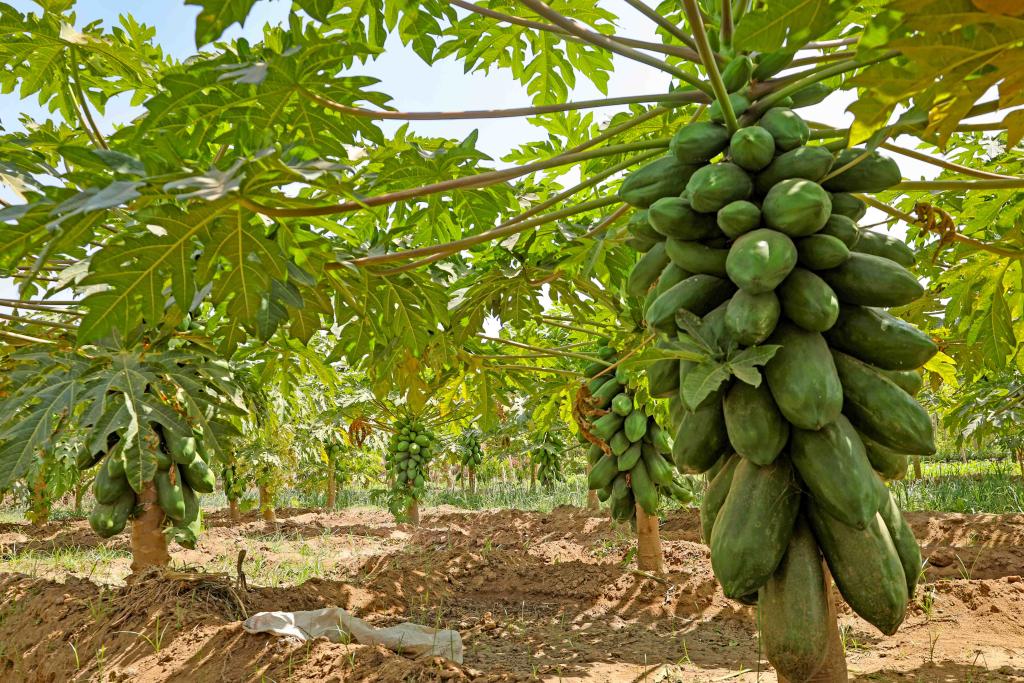
In Dire Dawa, NbS interventions were complemented by a range of education, community, and public engagement activities, including communication campaigns, stakeholder dialogues, training events, capacity-building workshops, and peer-to-peer learning.
Together, these activities strengthen the ability of local communities and government institutions to plan, design, finance, implement, and monitor NbS to ensure long-lasting environmental, social and economic benefits.
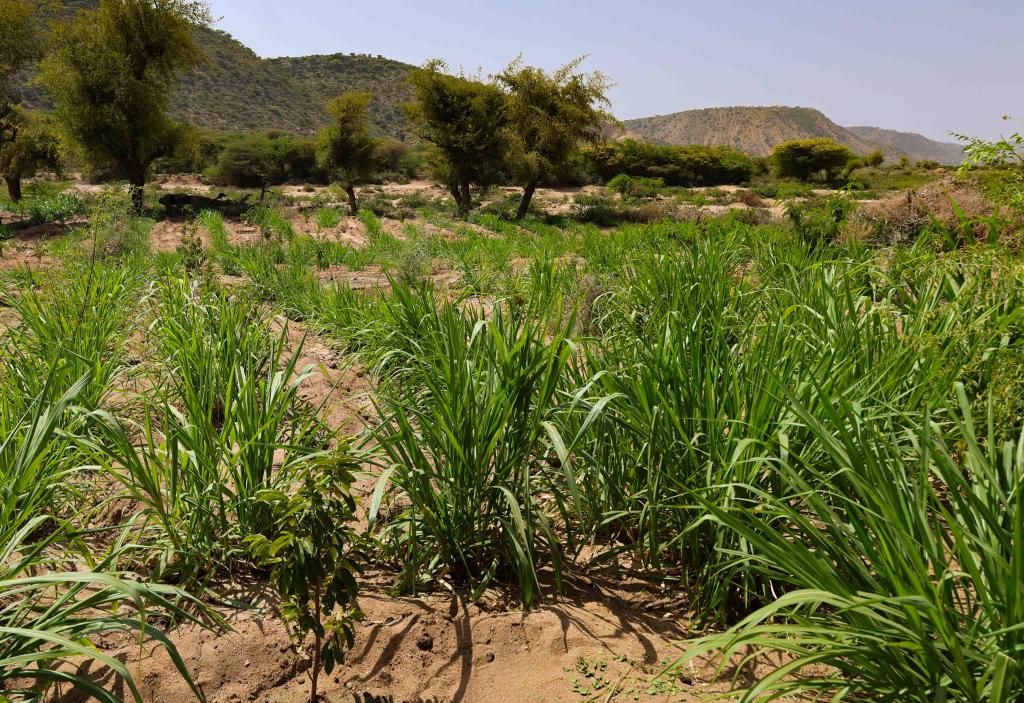
Nature-Based Solutions in a Dry Rural Landscape
Deploying NbS to truly increase climate adaptation in a city does not stop at the edge of homes and business buildings that people often consider the “city limit.” It may even need to extend beyond the legal boundary of a municipality, given how the landforms and riverways outside a city can shape a city’s microclimate and scale of climate change impacts. The surrounding rural areas should be considered for the best design of a city’s NbS, including in dryland regions.
SUNCASA is restoring 350 hectares of degraded hillsides in the rural areas around Dire Dawa using tree species endemic to the region to stabilize soils and enhance biodiversity. In four rural kebeles—the smallest administrative units in Ethiopia—afforestation efforts on severely degraded lands have shown remarkable progress, with survival rates exceeding 94% and many planted trees now exceeding 3 metres in height. This demonstrates the effectiveness of proper site selection, species choice, and seedling management, even in dryland regions.
Alongside these activities, the project promotes agroforestry systems across 385 hectares of privately owned farmlands, integrating trees such as papaya, coffee, and moringa with traditional crops to diversify incomes while improving soil fertility and enhancing water retention—both of which are high-priority goals in drylands. To mitigate the risk of flash floods for the annual events when rainwaters do reach Dire Dawa, SUNCASA has also established 83 hectares of flood buffer zones along the Dechatu River, planting grasses and other trees to stabilize riverbanks, reduce sedimentation, and protect nearby farmlands. Scientific evidence, including findings by Semie (2023), underscores the effectiveness of vegetated buffer zones in minimizing flood risks, improving water quality, and safeguarding infrastructure from damage.
An integrated cost-benefit analysis, based on the Sustainable Asset Valuation assessment method, conducted in the Dechatu River catchment in Dire Dawa indicates that the most significant benefit of the NbS scenario is the reduction in flood-related infrastructure damage costs. The avoided damages are estimated at a cumulative discounted value of ETB 188.1 million, representing substantial and tangible economic benefit for residents and infrastructure in the city and its surrounding areas.
Urban Greening and Nature-Based Infrastructure in Dryland Cities
Urban areas face unique climate challenges—particularly the urban heat island effect, where the density of the city’s built environment, combined with limited vegetation cover, causes temperatures to rise significantly above those of surrounding rural areas. For cities in drylands, this is worsened by the intensity and duration of hot, dry weather as well as the lack of nearby waterbodies to moderate temperatures—and give people and animals a place to cool off.
To address this in Dire Dawa, the SUNCASA project has launched urban greening initiatives that include planting trees along medians, sidewalks, and public spaces. In addition, different fruit trees have been planted in private households. These plantations provide shade, lower surface temperatures, improve air quality, and enhance the community’s enjoyment of the city.
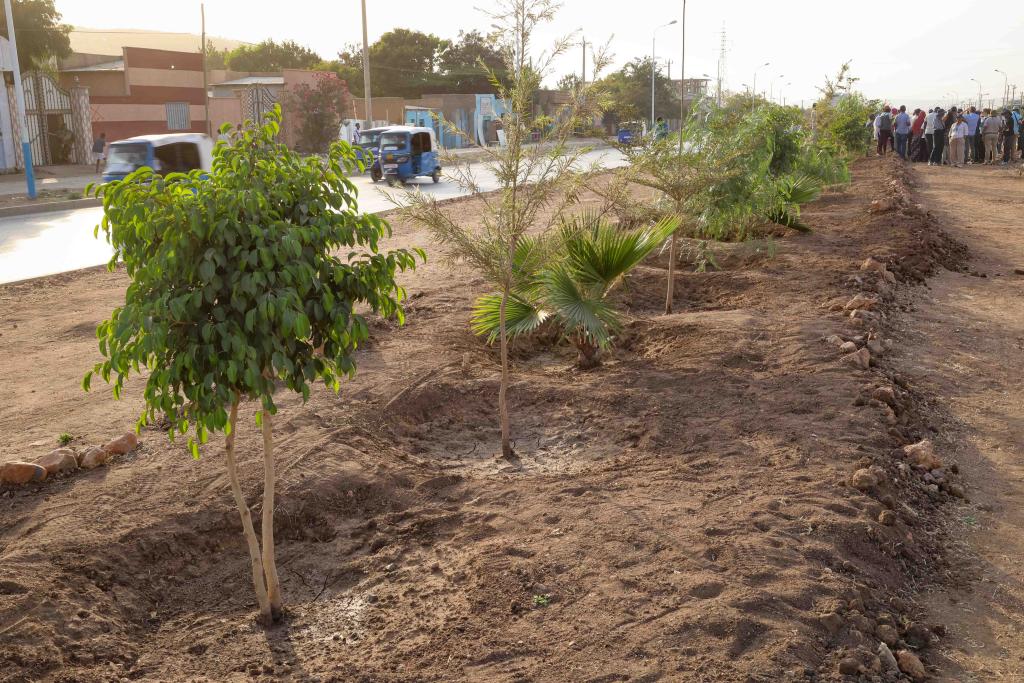
Research shows that urban greening can substantially mitigate the urban heat island effect, resulting in improved public health and overall well-being. A study by Mosisa (2025) further highlights the role of NbS in strengthening urban climate resilience. Moreover, the distribution of fruit seedlings to local communities not only supports household food security and income but also contributes to cooling urban environments and improving living conditions, making SUNCASA’s approach both environmentally and socio-economically beneficial.
Integrating Gender Equality and Social Inclusion Approaches in NbS in Drylands
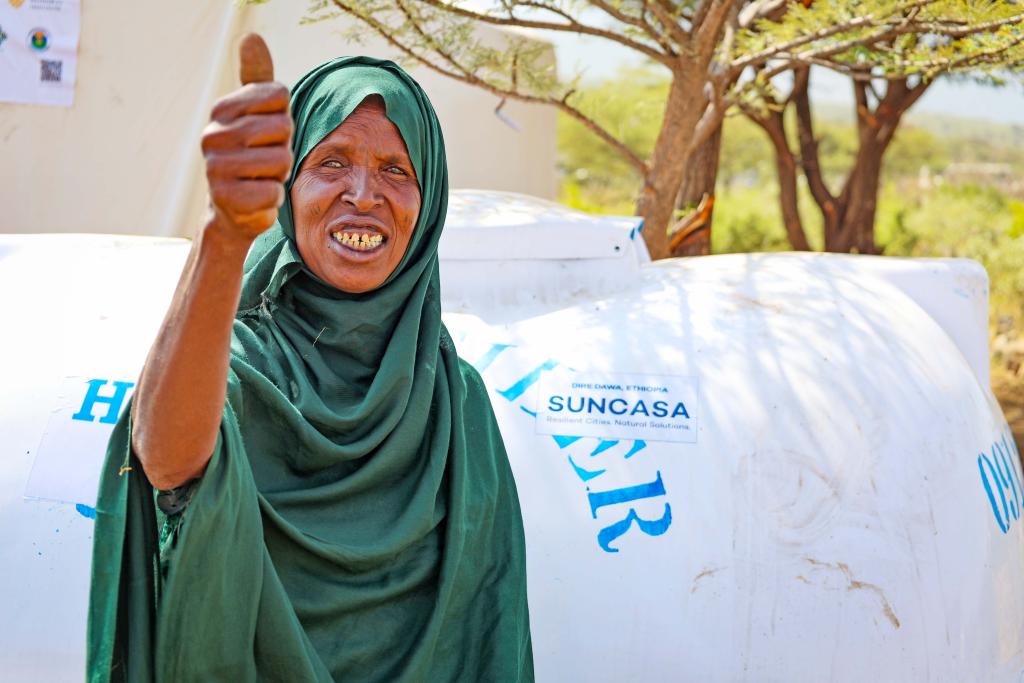
In every city in the world, there is unequal access to and control of local natural resources. Women, the elderly, members of disabled groups, and other traditionally marginalized communities do not have an equitable voice in how water is used, what crops are grown, who gets jobs, what infrastructure projects are approved, and what climate change impacts get a prioritized response. This must be considered when planning an NbS to help a city equitably prepare for climate change—especially a city in drylands, where water scarcity and weather intensity put extra pressure on people.
In Dire Dawa, SUNCASA places strong emphasis on gender equality and social inclusion (GESI) by creating meaningful employment opportunities and ensuring equitable participation in all project activities. Integrating GESI principles into climate adaptation actions has enhanced both their effectiveness and long-term sustainability. Guided by the IISD’s GESI framework, SUNCASA promotes inclusive engagement and equitable benefits for marginalized groups in NbS design and implementation.
One of the project’s most significant impacts in Dire Dawa is the creation of over 7,200 temporary and semi-permanent jobs for youth and women in tree planting, maintenance, and monitoring activities—demonstrating how environmental restoration can directly translate into economic opportunities. By mainstreaming GESI throughout its interventions, SUNCASA not only challenges traditional gender norms but also fosters community ownership, empowerment, and a more inclusive foundation for sustainable climate resilience.
Before SUNCASA, we had no steady work. Now we plant trees and see the change every day.
Community Impact and Ownership in Drylands Cities
NbS take time to reach their full impact. Trees and plants deployed for NbS face a vulnerable early period of setting down roots, building mass to resist extreme weather events, and establishing relationships with the local ecosystem. This can be an especially fragile period in drylands regions, given their exceptional weather and water stresses. To get through this period and reach their full potential, NbS projects in drylands cities depend on engaged, enthusiastic community members who truly own the projects.
Local community participation lies at the heart of SUNCASA’s approach in Dire Dawa. The project works closely with local organizations and communities to jointly implement and monitor interventions, ensuring that solutions are both context-specific and sustainable. This collaborative framework not only strengthens institutional coordination but also grounds project activities in local realities and priorities. Evidence shows that community-led initiatives significantly enhance the effectiveness, ownership, and longevity of climate adaptation efforts. Reflecting this, the SUNCASA initiative places strong emphasis on harnessing local knowledge, leadership, and participation in the design and implementation of nature-based solutions, thereby ensuring that outcomes are both environmentally sound and socially inclusive.
Lessons for the Future
Evidence from the SUNCASA project in Dire Dawa demonstrates that NbS are far more than environmental interventions—they represent an integrated approach that addresses multiple climate challenges in dryland regions while strengthening the connection among nature, people, and livelihoods. Visible transformation of degraded hillsides, farmlands, and urban spaces highlights tangible impact: rural afforestation sites are thriving, farmers are beginning to harvest from newly established agroforestry systems, and vegetated riverbanks are reducing the effects of flooding.
In urban areas, newly planted trees are already showing vigorous growth, contributing to cooler microclimates and enhanced aesthetics, while project-driven employment has improved household incomes of local communities. Most importantly, the initiative has fostered a strong sense of community ownership, in which residents serve not only as beneficiaries but also as active stewards of their revitalized landscapes.
Dire Dawa is showing that climate resilience starts from the ground—one tree, one livelihood at a time.
About SUNCASA
SUNCASA is a 3-year project enhancing resilience, gender equality, social inclusion, and biodiversity protection in urban communities in Ethiopia, Rwanda, and South Africa. It is delivered by the International Institute for Sustainable Development and the World Resources Institute, funded by the Government of Canada, and implemented with a wide range of local organizations and communities.
SUNCASA restores urban watershed areas through gender-responsive NbS such as agroforestry, afforestation, reforestation, buffer zone creation, and urban tree planting, ultimately strengthening the resilience of 2.2 million people.

You might also be interested in
How Sub-Saharan African Cities Are Building Climate Resilience Through Nature-Based Solutions
By combining community engagement and multistakeholder governance, nature-based solutions already enhancing communities’ resilience to climate change.
SUNCASA Integrated Cost-Benefit Analysis for Dire Dawa, Ethiopia | Infographic
Dire Dawa, Ethiopia, faces severe climate risks from floods, soil erosion, and water scarcity. These infographics show the impacts nature-based solutions (NbS) could have on the region based on an integrated cost-benefit analysis.
Year One of SUNCASA Progress: Lessons in Nature-Based Solutions
In its first year of implementation, the Scaling Urban Nature-based Solutions (NbS) for Climate Adaptation in Sub-Saharan Africa (SUNCASA) project has delivered significant results, laying the foundation for scaling up gender-equitable and socially inclusive climate adaptation efforts in 2025 and 2026 in Dire Dawa (Ethiopia), Kigali (Rwanda), and Johannesburg (South Africa).
Kigali Shares Lessons on Flood Risk Reduction and Gender Equality With Other Sub-Saharan African Cities
KIGALI, RWANDA—Representatives from 14 organizations and city governments delivering the USD 21 million SUNCASA project will meet in Kigali this week to exchange experiences and insights on advancing nature-based solutions (NbS) for reducing flood and climate risk while improving the lives of women and vulnerable groups.