
COVID-19 Shows How Canada Needs to Prepare for the Next Crisis
As communities across Canada grapple with the deadly and damaging effects of the COVID-19 pandemic, we have a rare window right now into how important it is to prepare for a crisis.
As communities across Canada grapple with the deadly and damaging effects of the COVID-19 pandemic, we have a rare window right now into how important it is to prepare for a crisis.
Preparedness is the kind of thing you often think about only when it’s too late. Other, more immediate priorities always seem to steal our attention. But we are seeing up close what a difference advanced planning can make: it has been heartbreaking to see healthcare workers scrambling to find protective gear and equipment, including masks that cost less than a dollar.
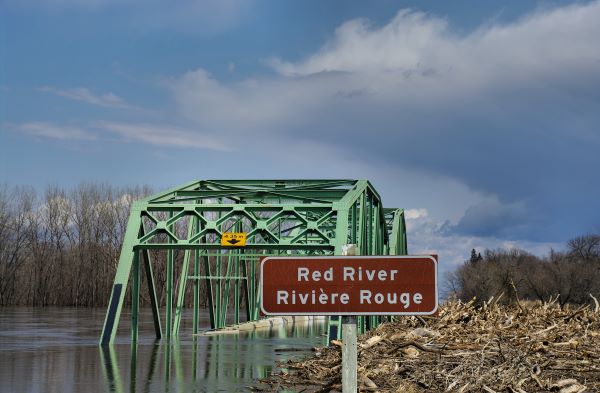
As a nation, Canada can learn from this and do a better job of being prepared for the next shocks, especially the ones we know are coming from climate change: more severe floods, droughts, heatwaves, and hurricanes.
What types of advance planning matter most in Canada?
First, we need to know what’s coming and what’s at stake. We should act now to pull together accessible data and identify climate risk priorities across the country so that we have a roadmap in hand, one we can use to accelerate efforts to prepare ourselves. Many communities still need to better understand and analyze their risks and the investments they should be making. A 2019 study about preparedness in Manitoba municipalities showed that very few of them had brought climate change into their development plans.
Second, clear communication is essential. As we’ve seen during the COVID-19 crisis, people need to make quick and informed decisions to protect themselves and their loved ones. Taken early enough, these decisions can help prevent a crisis from escalating. But getting people to understand a threat and change their behaviours means communicating complex information—which can be riddled with uncertainty—in clear, timely, and accurate ways. It also means being coordinated and integrated; we must ensure cities, provinces, and the federal government have complementary messaging throughout the crisis.
Communications during a crisis must be coordinated and integrated to be effective; we must ensure cities, provinces, and the federal government have complementary messaging.
Looking ahead to climate impacts, we should act now to link our disaster risk reduction community—government departments like Public Safety and humanitarian organizations like the Canadian Red Cross—directly to the new Canadian Centres for Climate Services being set up across the country to better communicate with Canadian communities.
Third, we need to act. This pandemic has made it clear how important it is to continuously invest in protection against possible crisis scenarios. We’ve seen how not replacing expired stockpiles of medical masks has proven dangerous. There are various lists of priority infrastructure investments that Canada should address immediately to get prepared. Some are small and can be done quickly at home—such as installing backwater valves in new home construction to help avoid basement flooding. Some, like protections against seawater rise, are large enough to help with economic stimulus efforts. At the very least, all infrastructure projects should continue to be subject to the federal climate lens.
Infrastructure investments should also include nature-based solutions, where sustainably managing our landscapes helps us prevent future damage. Launching a massive effort to plant two billion trees or restore wetlands has the added benefit of replenishing the natural world that is so important to our physical and mental health in times of crisis.
Taking these steps requires collaboration. The final critical lesson we have learned over the past few weeks is how important strong social networks are in times of stress. Exchanging strategies for homeschooling, talking to loved ones in care homes, giving children a number to call if staying home is more dangerous than going to school—these have all been key to helping us do our part. And social distancing has shown us how critical, even life-saving, reliable Internet access is, reinforcing the need to address rural broadband issues and close the digital divide.
Sustainably managing our landscapes helps prevent further damage. Launching a massive effort to plant two billion trees or restore wetlands has the added benefit of replenishing the natural world that is so important to our physical and mental health in times of crisis.
Networks can also be useful in advance of a shock. In fact, they can be used to plan for one. For years, networks like C40 Cities have been sharing experiences and best practices for adapting to a hotter future. International networks of developing countries hardest hit by climate change are using innovative peer learning to make sure they mount effective defences. Inspired by an example in Vanuatu shared through a global climate adaptation network, Madagascar set up a specific national committee to coordinate it’s planning. And Grenada, informed by experiences in Albania, decided to involve the private sector and community organizations in their preparations for climate shocks. We should be investing in these preventative networks and opportunities for shared learning across Canada now.
If there’s one thing to take away from the events of the last month, it's that sometimes, to avoid the worst, we need to act in ways that seem disproportionate to our current reality. Let’s make sure the hard lessons we’re learning during this global pandemic don’t go to waste when the next crisis hits.
This article originally appeared in The National Observer on April 23, 2020.
You might also be interested in
Summary Report | Natural Solutions for Water Security: Canada’s policy path forward
Summary of Natural Solutions for Water Security: Canada’s Policy Path Forward, highlighting key opportunities and an emerging action agenda to scale natural infrastructure.
Canadians benefit when we invest in nature and resilience abroad
As Canada unveils a spring economic update, its international support of climate action and nature protection is under growing strain—and scrutiny.
Open Letter to the Prime Minister on Climate Finance: Canadian Coalition on Climate Change and Development
As a member of the Canadian Coalition on Climate Change and Development, IISD contributed to a joint letter addressed to the Prime Minister of Canada on the urgent issue of climate finance.
Five Reasons Climate Change Adaptation Is a Challenge for Rural Canada
Canada needs to build resilience to the impacts of climate change through planned adaptation, but barriers remain, especially for rural communities.