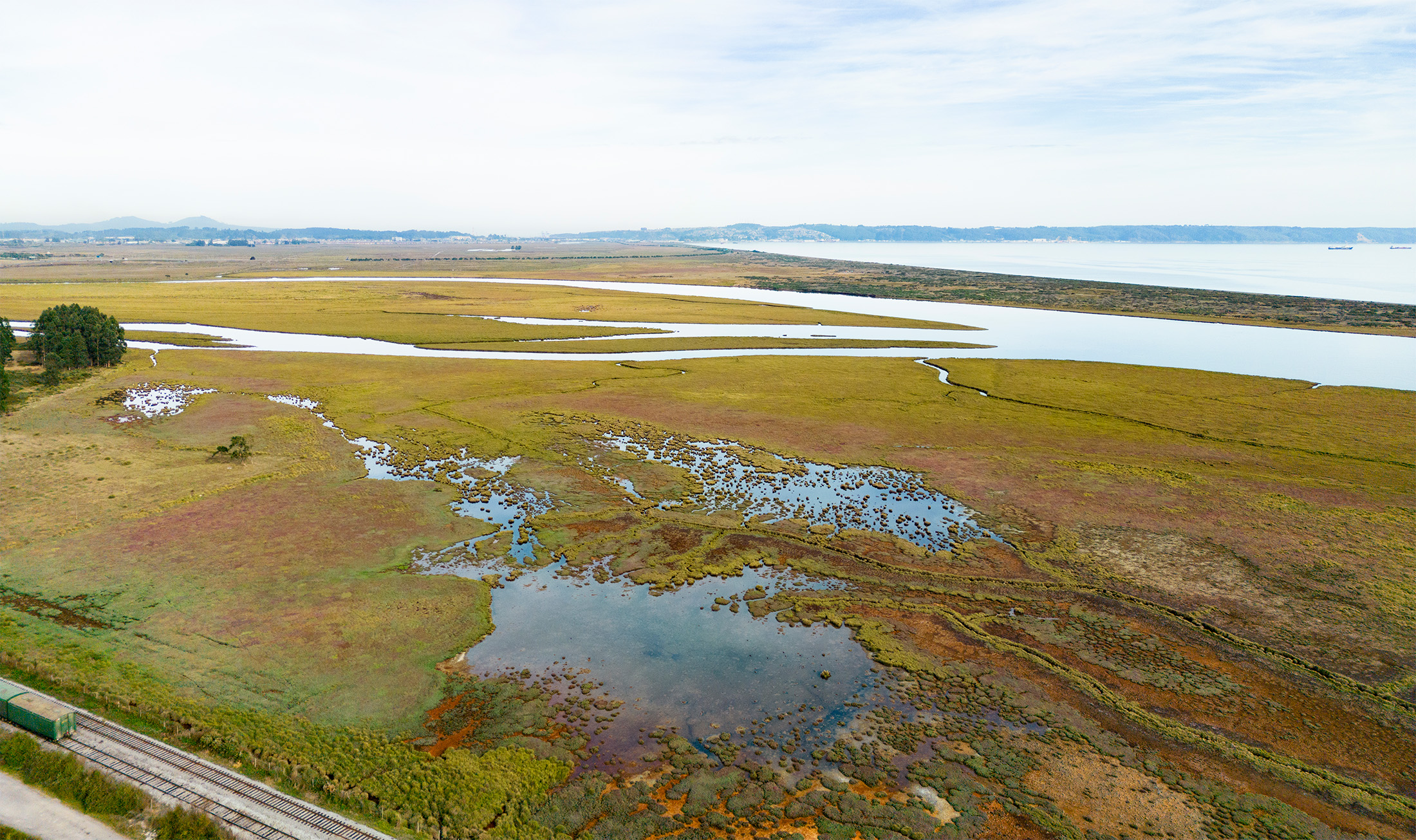

Turning Nature-Based Infrastructure Evidence Into Action
Photo (above): Sydney Walsh/Audobon
“We know that NBI can protect our communities, and with this report, we now have concrete data to guide our decisions and make a stronger case to investors that it is not only effective but also cost-efficient.”
The NBI Centre has supported nature-based infrastructure (NBI) projects in 32 countries. Since 2021, we have reached 8.7 million direct beneficiaries.
Nearly 1.9 million hectares of land are now being managed for climate resilience, and over 5,200 people have been trained—with women slightly outnumbering men.
We have worked with local partners to develop economic and financial assessments of NBI projects in a range of different ecosystems, including:
Our assessments combine climate data, spatial analysis, systems thinking, and economic and financial modelling to show the full value of NBI. We work with stakeholders to model how NBI performs, value its full benefits, and tailor the analysis to local decisions.
We also published two guidelines for developing integrated cost-benefit analyses (CBAs) for nature-based solutions.
Across our assessments, here is what we have learned:
NBI is cost-competitive compared to conventional grey infrastructure.
Across many assessments, NBI consistently delivers infrastructure services at lower life-cycle cost than grey alternatives. The financial case is even stronger when the full range of costs and benefits is taken into account. Integrated valuation approaches such as SAVi highlight that conventional appraisals systematically underestimate the full economic case for NBI.
Hybrid green-grey approaches deliver the highest performance.
Many assessments show that combining nature-based and conventional infrastructure often produces the highest performance, especially in complex urban and coastal systems. Hybrid solutions give decision-makers the flexibility to balance reliability, scalability, and ecosystem health, drawing on the proven performance of conventional infrastructure while capturing the added resilience and co-benefits that nature provides.
NBI builds resilience and generates benefits that grey infrastructure doesn't provide.
Beyond core infrastructure services, NBI significantly strengthens system resilience to climate risks while generating additional social, environmental, and economic benefits such as biodiversity protection, livelihood support, and savings from avoided damages. These co-benefits, monetized through SAVi, are a key driver of higher overall value compared to grey infrastructure alone.
What benefits do nature-based solutions deliver in the long run?
Watch this video that explains the results of our cost-benefit analysis from Dire Dawa.
The IISD program will prove to be indispensable for mobilizing capital for the rehabilitation of the water–energy–food nexus in Kisumu and for the scaling of the solution across the Lake Victoria River Basin. Its data-based systems approach will attract knowledge institutes to build a regional knowledge centre. Its social and economic modelling will help us gain confidence with national and local governments, and its financial modelling will allow us to attract investors.
In 2025, the NBI Centre helped partners apply economic and financial analysis to promote NBI as a pivotal solution to climate adaptation, biodiversity protection, and sustainable infrastructure by:
- increasing knowledge on how NBI performs through customized valuations;
- providing access to data on NBI performance through our online database;
- identifying and communicating policy recommendations to scale up investments in NBI;
- connecting project proponents, local stakeholders, and investors; and
- providing professional training through the NBI Academy on economic and financial analysis to support project development.

When the City of Cape Town's Liveable Urban Waterways Programme lost 80% of its budget in early 2024, IISD's NBI Centre conducted an integrated cost–benefit analysis that translated the ecological and social benefits of waterway restoration into a clear investment case—contributing to the momentum that ultimately led the City of Cape Town to approve nearly ZAR 200 million for the programme.
In 2025, the NBI Academy continued to strengthen its global impact.
Through its e-course and live online program, the Academy equipped planners, policy-makers, researchers, and practitioners with practical skills to understand, assess, and apply NBI in real-world decision making.
The annual 5-Week Live Program brought together 539 participants from 88 countries, engaging a diverse global audience across government, academia, the private sector, and civil society. Participant feedback was overwhelmingly positive, with 98% satisfied with the course organization and 97% satisfied with overall course quality, and many highlighted the value of practical case studies and hands-on tools they could apply directly in their work.
By the end of 2025, more than 5,200 participants from 172 countries were registered with the NBI Academy, underscoring its growing reach and relevance as a global capacity-building platform for NBI.
The NBI Academy team also delivered in-person training sessions in Kyrgyzstan, South Africa, Senegal, Morocco, Rwanda, and Ethiopia.
NBI Trainings and Events
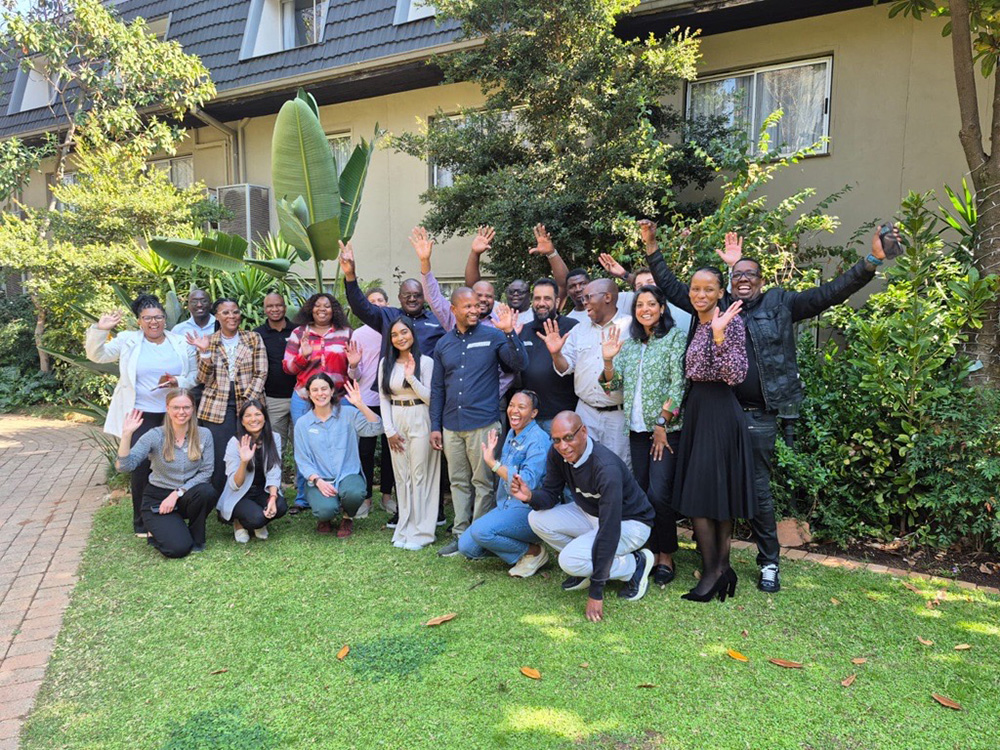
Participants attending an NBI training in Johannesburg.
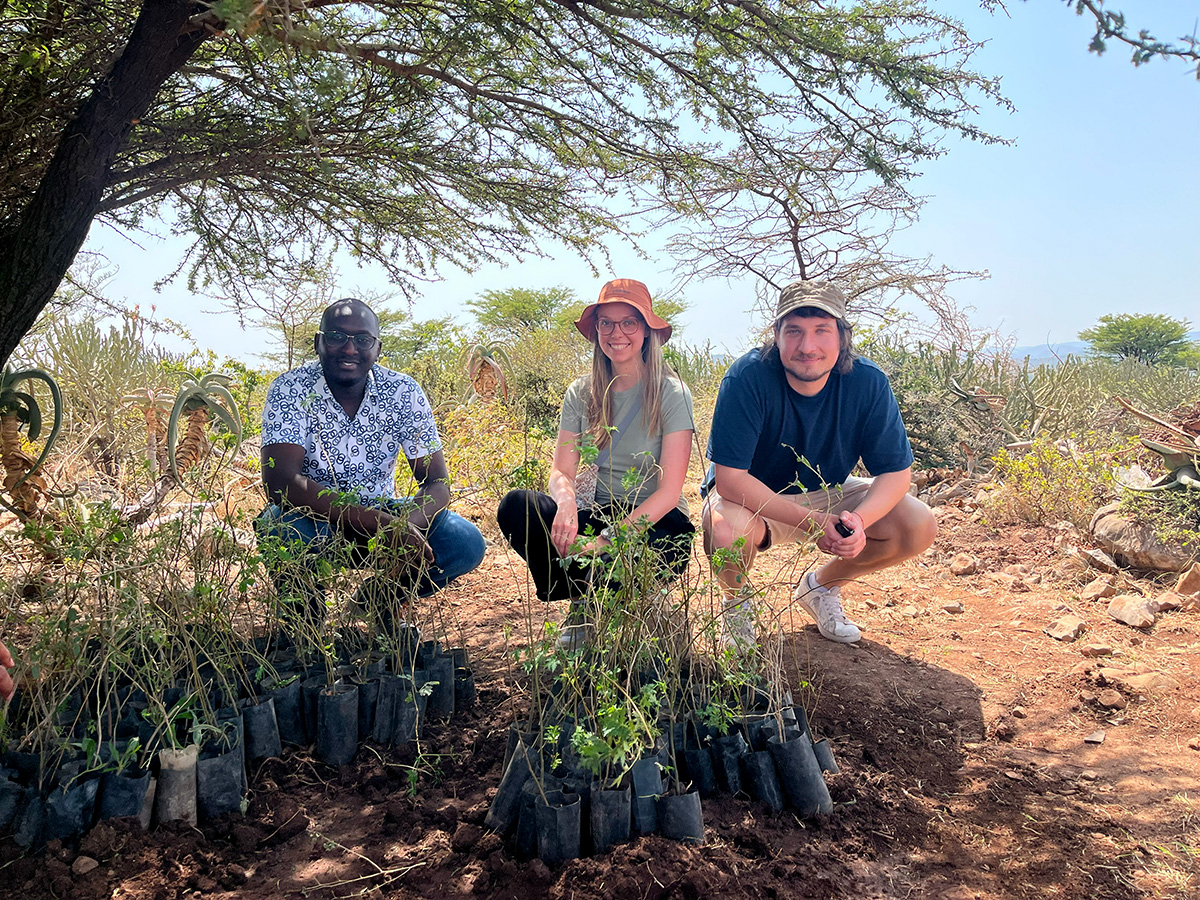
Albert Letting, Ronja Bechauf and Michail Kapetanakis led the NBI training in Dire Dawa 2025.

The NBI Academy 2025 Live Program brought together around 500 participants from 88 countries.
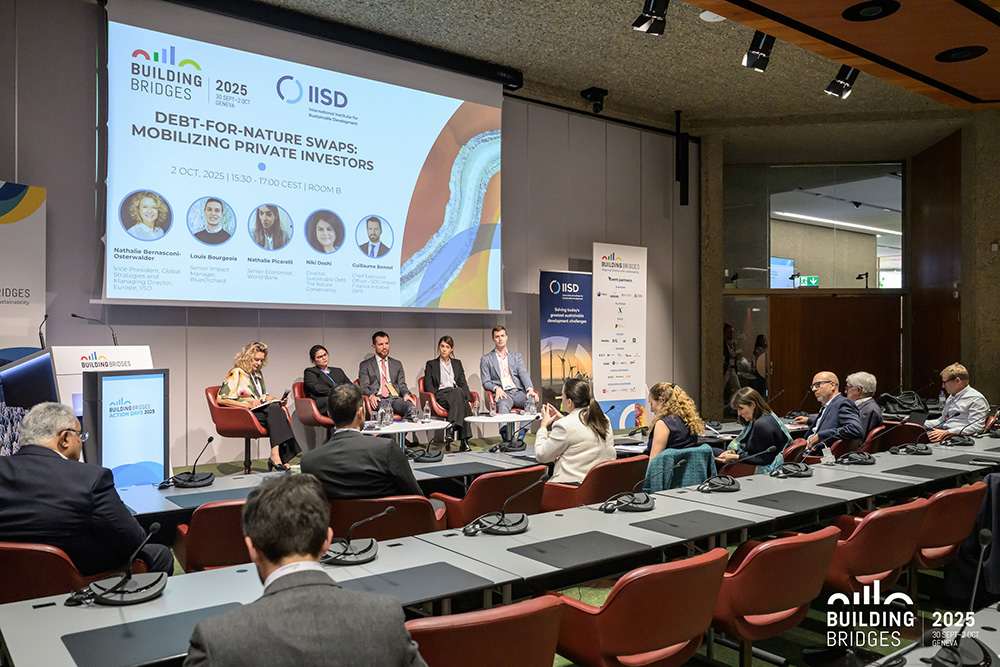
At Building Bridges 2025 in Geneva, IISD hosted a panel on debt-for-nature-swaps.
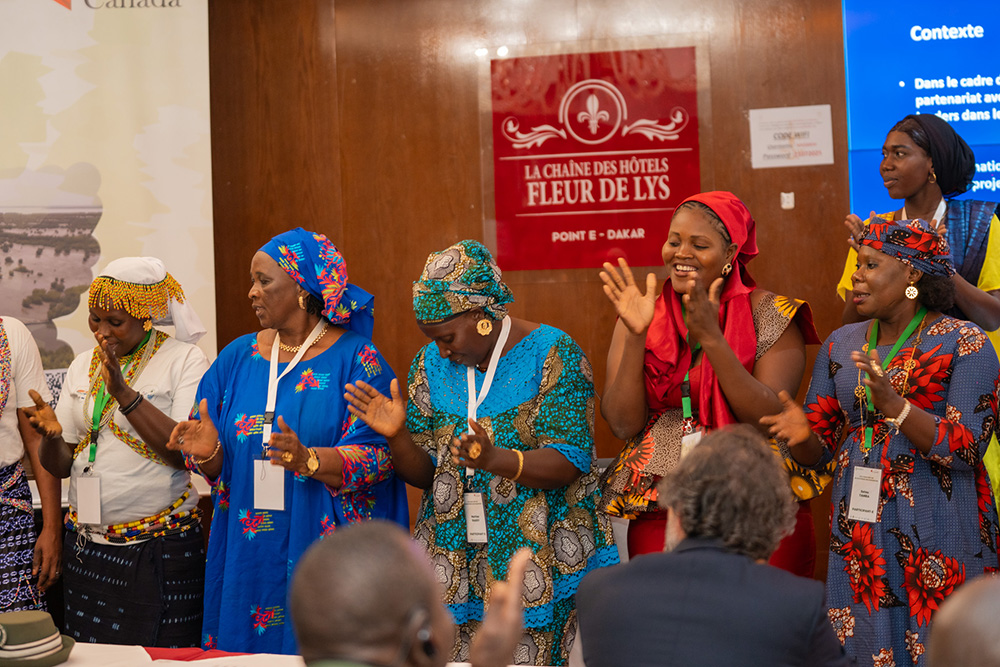
The NBI Centre attended the Mangrove Ecosystems Symposium in Dakar, 2025.
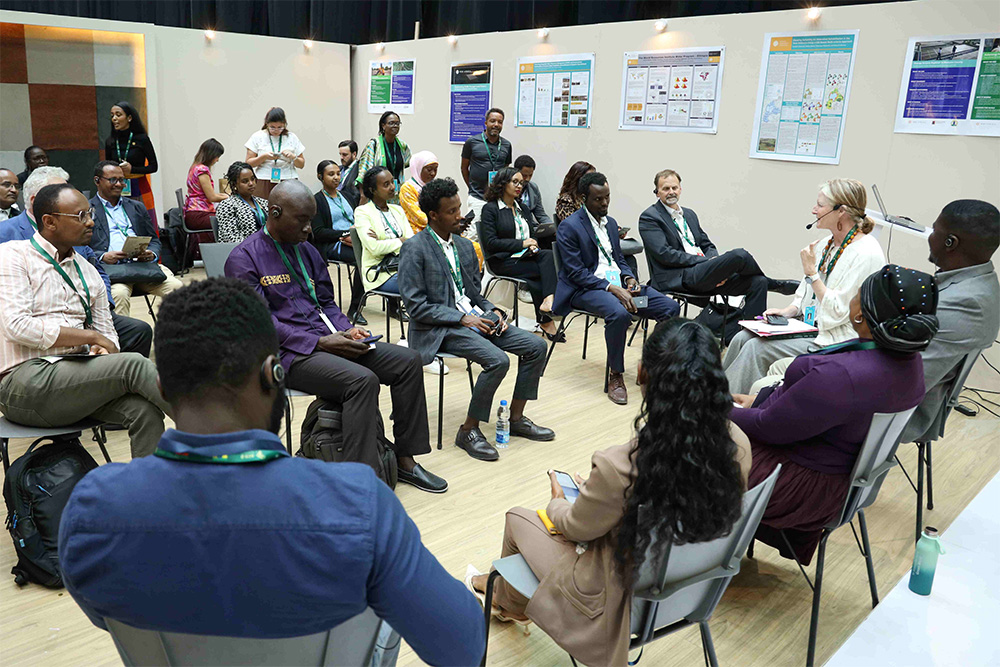
In 2025, we presented our work at several high-profile events:
- Africa Climate Summit in Addis Ababa
- Building Bridges 2025 in Geneva
- IUCN World Conservation Congress in Abu Dhabi
Our communications efforts this year include:
Subscribe to our newsletter / Follow us on LinkedIn
Photo (below): Sydney Walsh/Audubon

You might also be interested in
Sustainable Asset Valuation of Mining Closures in Artisanal and Small-Scale Gold Mines in Marmato, Colombia
Nature-based infrastructure strengthens mine closure in Marmato, reducing landslide risk, restoring land, and delivering stronger economic returns.
The Role of Nature in the Development of Geopark Teskei
Sustainable tourism in Geopark Teskei generates significantly higher long-term returns than conventional mass tourism.
A Sustainable Asset Valuation Assessment of Nature-Based Solutions in the Jukskei River Catchment in Johannesburg, South Africa
This report assesses how nature-based solutions in the Jukskei River catchment reduce water pollution, flood damage, and health costs.
A Sustainable Asset Valuation Assessment of Nature-Based Solutions in Kigali, Rwanda
This report assesses how nature-based solutions can reduce flood risks, improve health, and deliver economic benefits for nearly 1 million residents in Kigali, Rwanda.