
Inside the Mangrove Ecosystems Symposium
The Mangrove Ecosystems Summit in Dakar is uniting policy-makers, financial leaders, and community members to explore the wide benefits mangrove ecosystems deliver for people and the planet
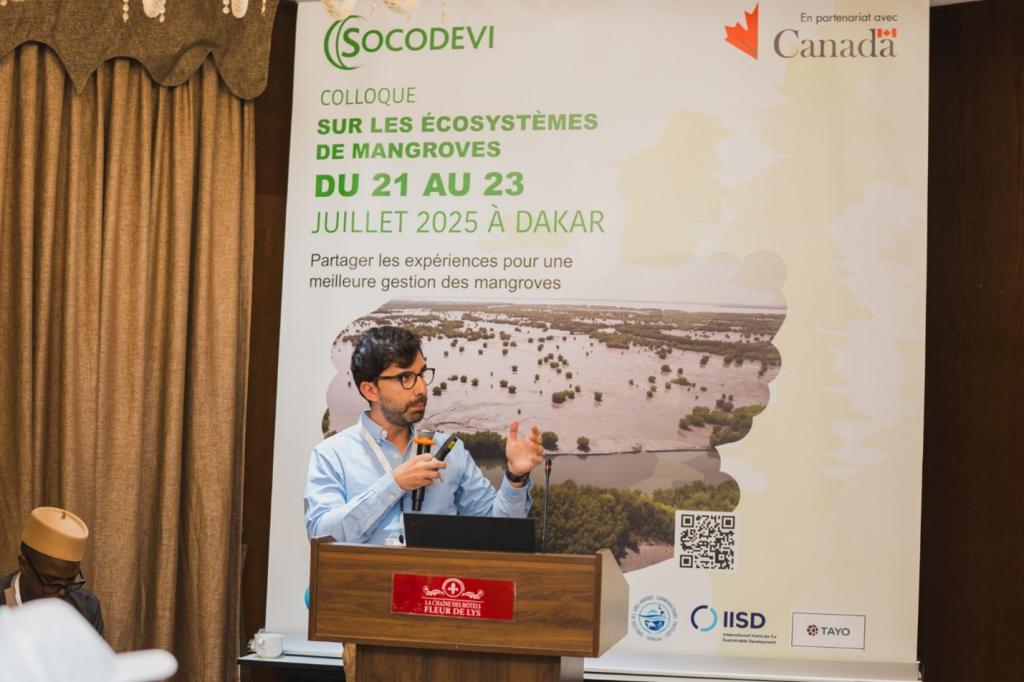
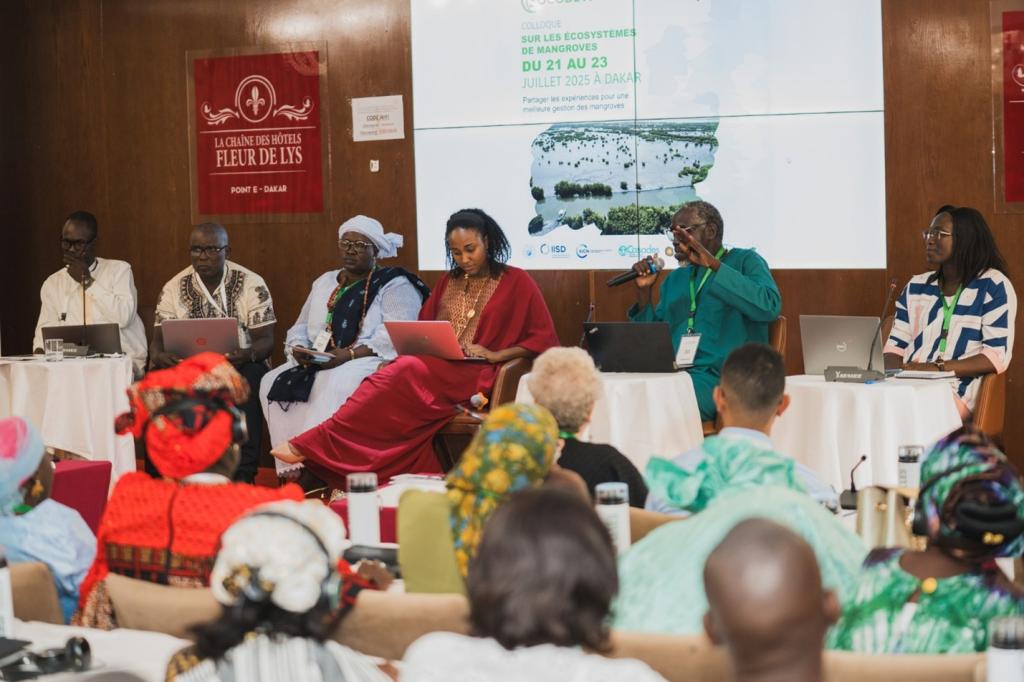
July 23, Dakar - The third day of the Mangrove Ecosystems Conference highlighted the importance of combining ecological action, financial innovation, and social inclusion to effectively address conservation and development challenges. Each session explored a complementary dimension of this integrated vision, collectively shaping the outlines of a sustainable and equitable model for coastal territories.
The day began with a presentation from the Directorate of Marine Protected Areas on the national strategy for the management of mangroves. Rooted in an ecosystem-based approach and participatory governance, this strategy relies on strengthening local capacities and ensuring intersectoral coordination to maximize synergies.
Talks continued to blue carbon projects, which enhance the value of coastal ecosystems while addressing climate challenges and offering significant economic opportunities for local populations. Attendees noted blue carbon and its associated benefits remain largely unknown to the general population in Senegal.
To ensure transparency regarding carbon benefits, the use of a measurement, reporting, and verification system was proposed. Solid planning, widespread awareness, and early consultation with communities are essential to safeguard ecosystem health and ensure fair distribution of economic gains. Participants also raised concerns that many non-governmental organizations operate in villages without notifying municipal authorities, who often only learn of such activities through public events. Additionally, multiple organizations often implement overlapping projects in the same communities—a practice deemed inefficient. Discussions stressed the need to shift approaches toward empowering communities through skill-building rather than relying solely on financial aid.
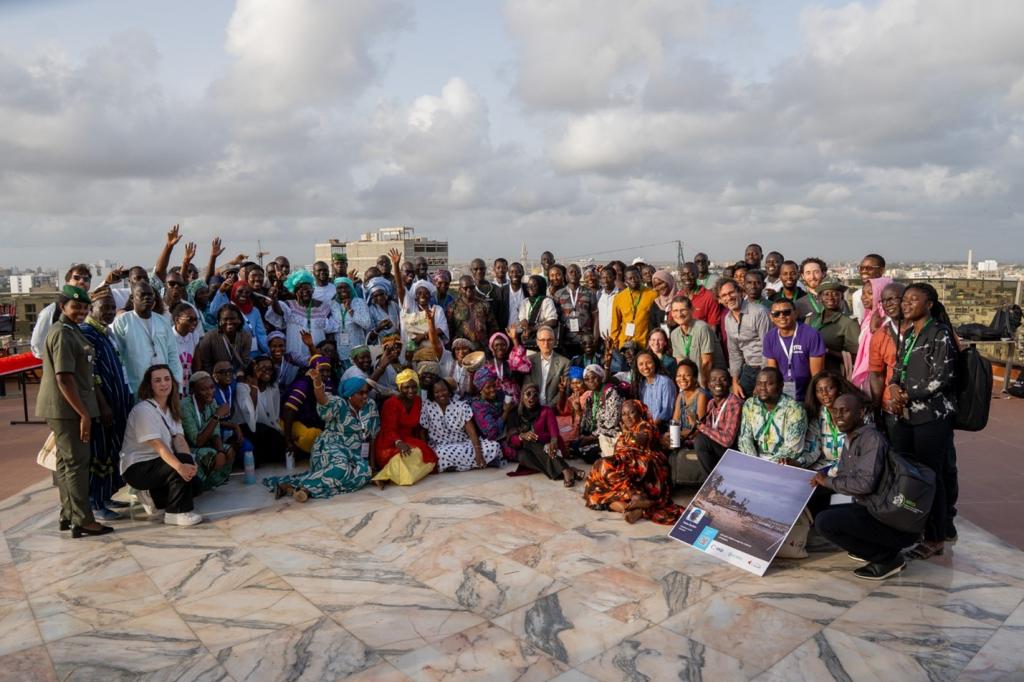
IISD presented the financial analysis of the Natur’ELLES project, which aims to bridge major long-term funding gaps for nature-based solutions. This approach leverages innovative strategies—such as mobilizing payments for ecosystem services, carbon credits, conditional grants, environmental impact bonds, and debt-for-nature swaps—to attract and anchor both public and private investment around the monetization of measurable ecosystem services. This approach aims to turn conservation and climate resilience into credible and attractive investment opportunities.
Subsequently, the conference explored the role of cooperatives and local organizations as key drivers of sustainable natural resource management. These locally grounded associations promote responsible practices, involve women and youth in governance, and advance environmental traceability. They are recognized as essential actors in fostering community resilience and driving socio-environmental transformation. The importance of facilitating cooperative access to green funds to support their further development was also emphasized.

The last sessions addressed the issue of gender equality in mangrove restoration and conservation efforts. This involves empowering women, ensuring their equitable access to resources, and recognizing their knowledge, which enriches governance. Mangroves were reaffirmed as vital resources that go far beyond their carbon sequestration function, and inclusive management was presented as a pathway to social and environmental justice. Mangroves have enabled women to support their families and finance their children’s education. As some women put it: “Mangroves are our World Bank.”
This vision of human-centred conservation, grounded in local realities and driven by inclusive dialogue, is emerging as a sustainable path forward for coastal regions. Nonetheless, it was strongly emphasized that persistent norms limiting women’s participation and leadership in decision-making bodies must be challenged.

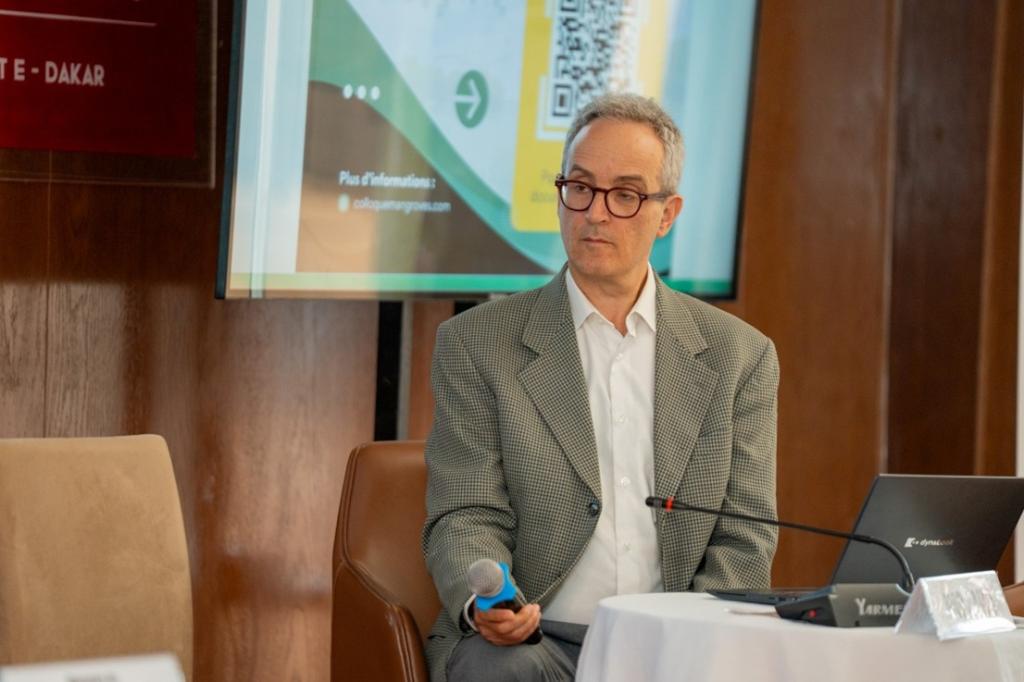
Finally, the Mangrove Ecosystems Symposium with attendees exploring the photo exhibition from community members who participated in women’s leadership programme of the Natur’ELLES project, including IISD’s photography and storytelling workshops. Read more about the stories here.
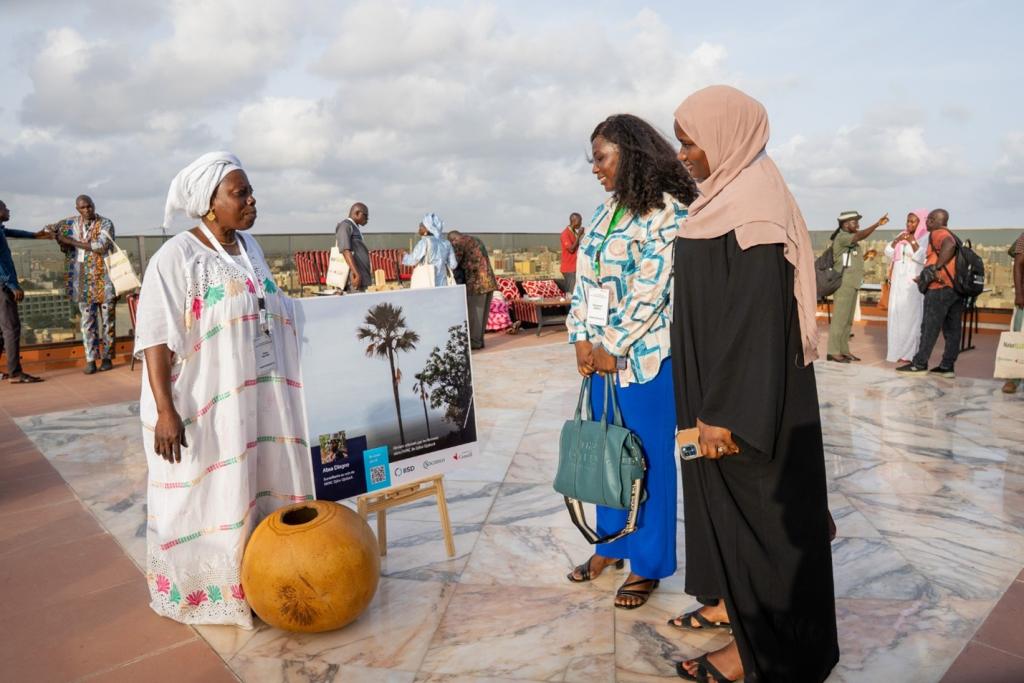
July 22, Dakar - Day 2 of the symposium built on ongoing discussions around mangrove ecosystems, focusing on how both traditional data and emerging geospatial technologies are transforming conservation efforts. Attendees also discussed photography and visual storytelling as advocacy tools for women.
On leveraging data, presenters highlighted that while remote sensing has been around for decades, it continues to evolve to meet modern ecological needs—especially in the protection and restoration of mangroves. Thanks to the latest generation of sensors and platforms, researchers can now carry out multi-scale analyses and obtain highly detailed information about ecosystems, going beyond the limits of conventional mapping products. Multi-criteria assessments have emerged as a key decision-making tool, allowing not only for the identification of existing mangrove areas, but also for identifying zones with strong potential for ecological restoration. The expansion of big data has further widened access to information, giving conservation actors a firmer foundation for informed, long-term decision making.
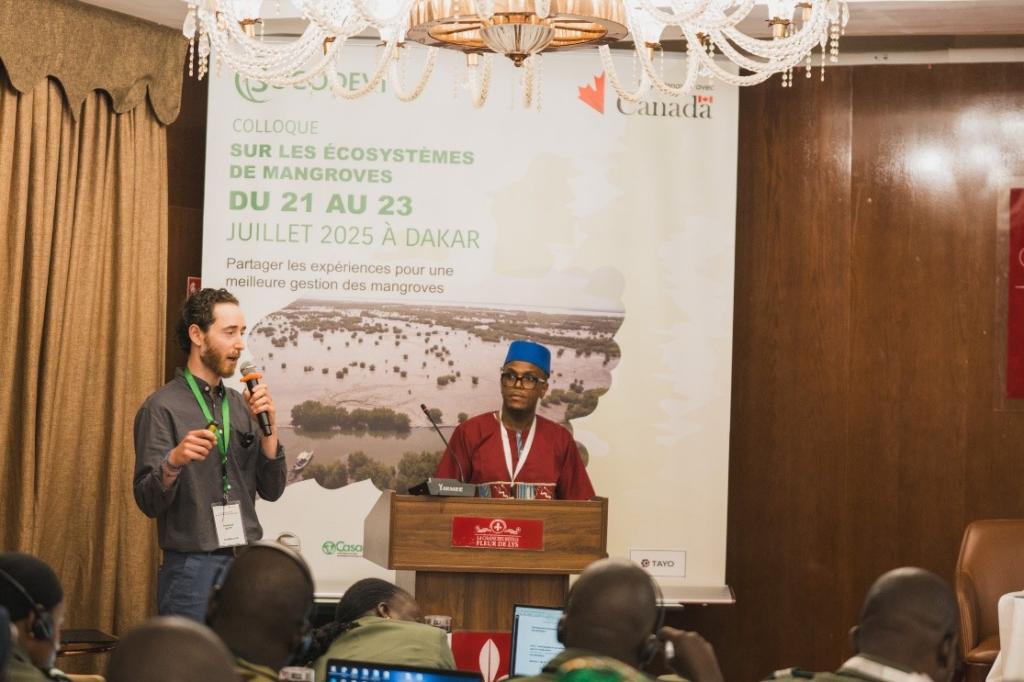
Presenters underscored the central role of satellite and geospatial technologies in large-scale mangrove monitoring. These tools offer real-time data and early warning alerts, enabling faster and more effective responses to environmental threats. The Global Mangrove Watch platform was introduced as a free, interactive tool that tracks mangrove coverage over time and issues alerts about degradation. Its open-access nature empowers a wide range of users—from scientists and non-governmental organizations to local communities—and encourages shared stewardship of coastal ecosystems. With indicators on carbon storage and ecosystem services, the platform also supports climate action by strengthening the evidence base for nature-based solutions. Its intuitive visual tools make it a strategic asset for planning and advocacy, helping to reinforce ecological resilience.
Another key topic discussed was the role of drones and other geospatial innovations in accelerating mangrove restoration. These technologies are speeding up restoration efforts while making interventions more precise and cost-effective. Multispectral imagery and remote monitoring allow for better planning, more accurate planting, and more efficient post-restoration evaluation. By integrating ecological data into decision-making tools, local strategies can be tailored to specific environmental and social contexts. Drones are also being used as a deterrent against illegal logging. In this way, innovation is becoming a major driver of resilient and inclusive coastal conservation.
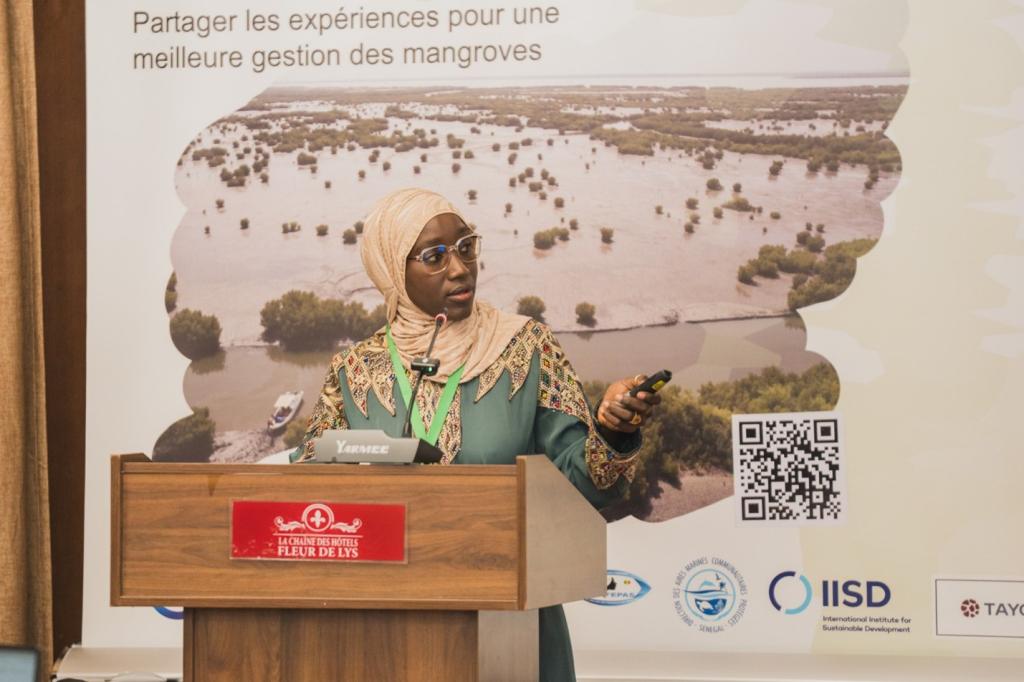
A session explored spatial and temporal dynamics for the Kalone Bliss Kassa Community Marine Protected Area in Casamance. In this region, mangrove conservation relies heavily on community-managed marine protected areas. These efforts are based on a two-phase planning model—a diagnostic stage followed by a co-creation management plan. The active involvement of local communities has proven crucial for long-term success, ensuring restoration strategies are realistic, gradual, and adapted to local needs. By recognizing the value of mangrove goods and services, these projects also bring direct economic and social benefits to residents, strengthening the connection between environmental stewardship and sustainable development. Ultimately, effective mangrove management can contribute not only to environmental resilience but also to improved quality of life in coastal areas.
Participatory mapping was presented as a powerful tool for sustainable mangrove management. By involving local communities and institutions directly in the mapping process, projects can strengthen collaborative governance and foster a shared understanding of environmental priorities. This approach also improves the quality and relevance of spatial data used for planning and monitoring. However, it is not without challenges—participatory mapping requires careful management of technical, social, and methodological complexities to be truly effective. Discussions throughout the day helped identify best practices and key conditions for ensuring its long-term impact and sustainability.
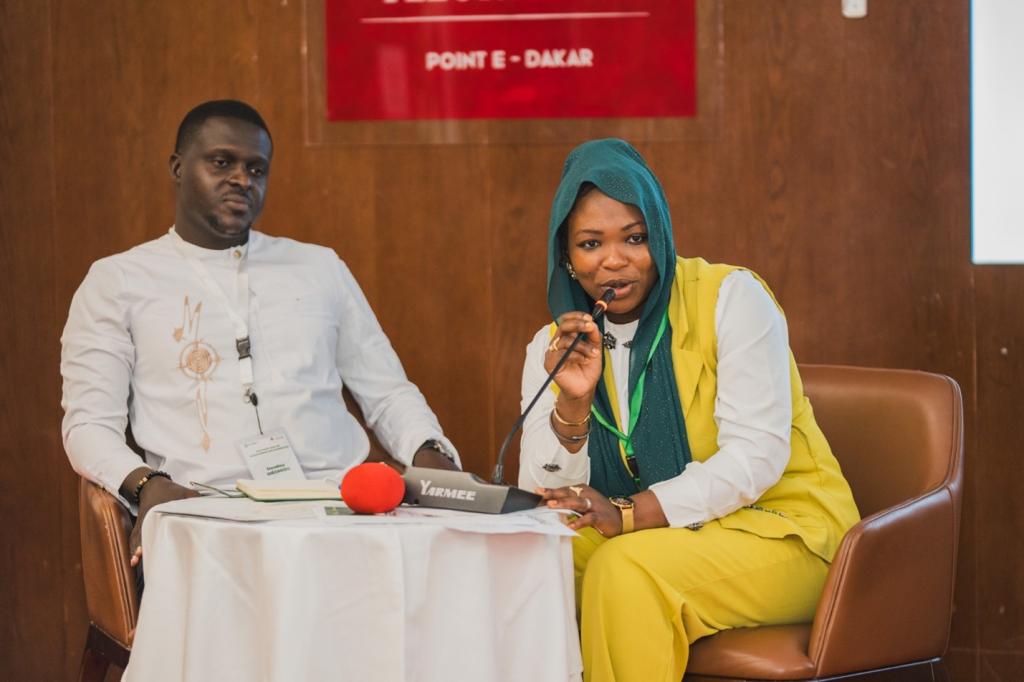
Another promising tool presented was the GEM, the Google Earth Engine mangrove mapping methodology. It is a simplified, open-access methodology designed to fill the gap in detailed mapping of smaller mangrove areas. GEM is tailored to local actors, combining cloud technology with multispectral imagery to deliver fast, high-resolution data. The 2025 release of its mobile version has made it more accessible for fieldwork, encouraging greater community participation in conservation activities. Accompanying training programs can ensure users can interpret the data effectively and integrate it into local environmental action plans.
The day ended on an inspiring note with a session titled, Photographic Storytelling and the Voices of Women Leaders at the Intersection of Environment, Climate, and Social Justice. As part of the Natur’ELLES women’s leadership program, International Institute for Sustainable Development staff delivered training on photography and visual storytelling to women from Sine Saloum and Casamance to equip them to advocate for greater inclusion in decision-making spaces and in natural resource management. Four women shared how the training has impacted the work they are doing within their communities to fight climate change impacts.
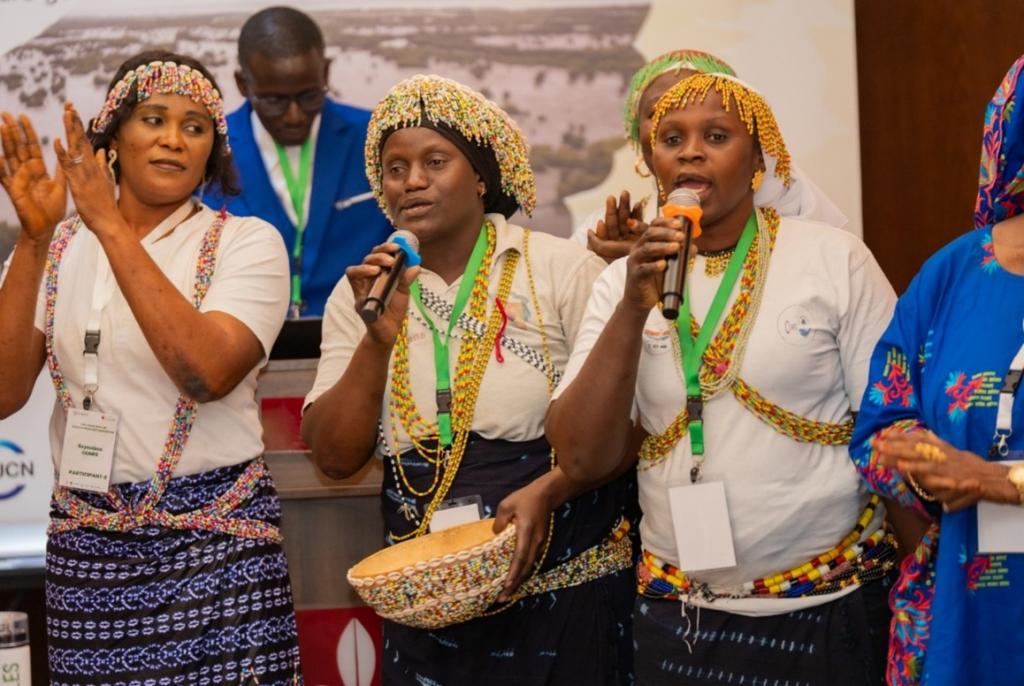
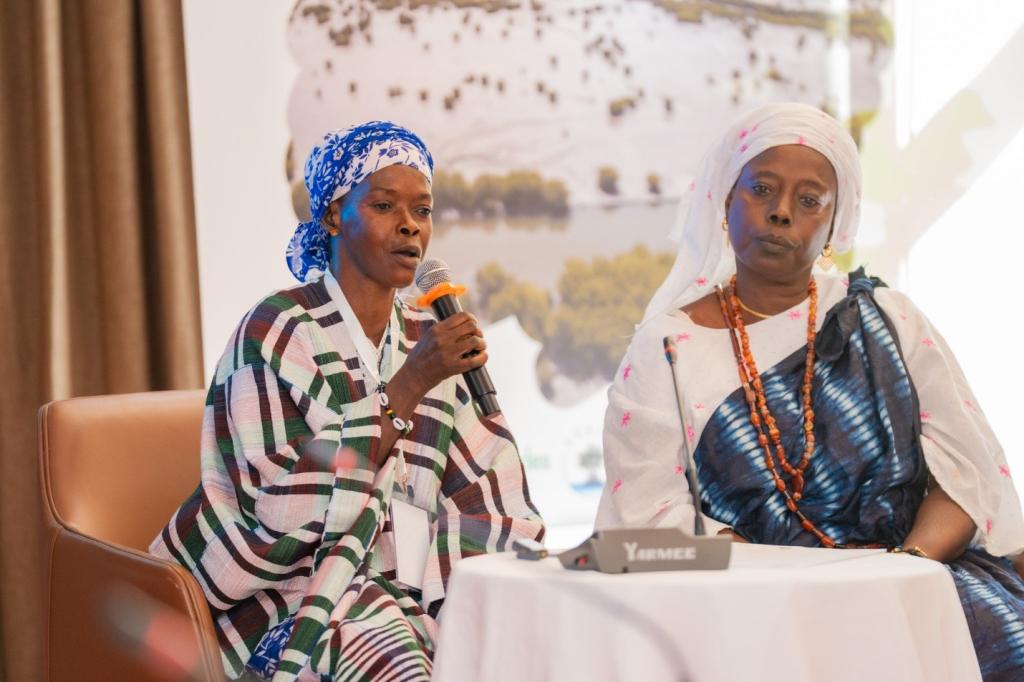
July 21, Dakar – Day 1 focused on the theme, Ecosystem Goods and Services of Mangroves: From Preservation to Socio-economic Development, in recognition of the differentiated and complementary roles of women and men in managing these ecosystems.
Mangrove ecosystems provide a wide range of goods and services—including carbon sequestration, biodiversity protection, coastal defence, and food security—to coastal communities in over 100 countries. However, these ecosystems continue to face degradation due to both natural and human-induced pressures. For this reason, an integrated approach that combines ecological, socio-economic, and climate dimensions is essential to properly assess projects and tailor solutions to local realities. Mangroves offer an important opportunity for nature-based solutions that boost communities’ resilience to climate change. Leveraging data and research makes it possible to underline those benefits for decision-makers.
IISD presented preliminary results on its Sustainable Asset Valuation analysis conducted for the Natur’ELLES project, which forecasts the costs and benefits of different types of infrastructure interventions in a region. Results for Sine Saloum and Casamance show a positive net present value in all scenarios involving mangrove forest restoration (ranging from CFA 6.01 to CFA 24.10 billion) and strong cost-benefit ratios (2.36 to 6.46), far exceeding the viability threshold (i.e., the project is viable when the benefit-to-cost ratio is higher than 1: it is not viable when it is lower than 1).
The conference also explored the relevance of recognizing and valuing cultural and Traditional Knowledge in public policies. Indigenous and Traditional Knowledge systems for the conservation and protection of mangroves have existed for many centuries, but they are often ignored and marginalized in decision-making processes. Integrating them into policy is essential for the future of mangroves.
In Senegal, women are very active in mangrove ecosystems. They hold unique local knowledge on mangroves and protected areas. Conference attendees discussed how it is key to empower women through capacity-building activities, particularly to increase literacy levels and offer leadership training. When women can read and write, they are better equipped to participate in decision making around mangrove forest management.
Regarding both valuing Indigenous knowledge and capacity building for women, an important idea emphasized by Djibril Niang from the project AC-FAO was intergenerational training. This involves different age and gender groups training each other and holds value for mangrove restoration, he said.
Symposium attendees also discussed how multistakeholder collaboration is essential to achieve impactful results for the protection and restoration of mangroves and the management of resources. Presenters shared how policies must reflect local realities, reallocate budgets to directly support communities, and include participatory monitoring and evaluation systems.

Sharing the Stories of Senegalese Women
Too often, women and girls have the least say in the governance of their local environments and natural resources—even when their livelihoods are closely tied to these systems and vulnerable to climate change. For the Natur'ELLES project, IISD led storytelling and photography workshops in Senegal to help women share their stories of climate change in their own words.
View the StoriesOur Insights

Climate Change Impacts on Women in Senegal: Here's how nature-based solutions can help
Senegal’s mangrove forests have been severely depleted, with devastating consequences: vanishing fish habitats, entire villages being washed away by floods, and women losing their main source of income. How can nature-based solutions address all these challenges at once?

How Can Research and Data Drive Sustainable and Gender-Inclusive Fishing
As fish stocks decline and pressure on marine ecosystems grows, fisheries worldwide must adopt more sustainable and inclusive practices. The Natur'ELLES project implemented along the coast of Senegal demonstrates how research and data can make the case for sustainable fishing in mangrove forests.

Fisheries Subsidies and Sustainability: What's at stake for Senegal?
In this interview, Senegalese expert Mamadou Diallo discusses the risk of overfishing and its impact on coastal communities, highlighting the importance of Senegal ratifying and implementing the World Trade Organization (WTO) Agreement on Fisheries Subsidies.
IISD at the Mangrove Ecosystems Symposium


About the Mangrove Ecosystems Symposium
The Mangrove Ecosystems Symposium will be an interdisciplinary dialogue opportunity between stakeholders, researchers, decision-makers, community leaders, and civil society organizations on the topic of mangrove ecosystems. Led by SocoDevi and with financial support from Global Affairs Canada, the conference seeks to improve understanding of the ecological, socio-economic, and climate-related roles of mangrove ecosystems. The conference features work from wide consortium of international and national partners that are members of the Natur'ELLES project.
Find out more