Inside COP 30
The 30th United Nations Climate Change Conference (COP 30) is taking place in Belém, Brazil, from November 10 to 21, 2025.
Daily Updates
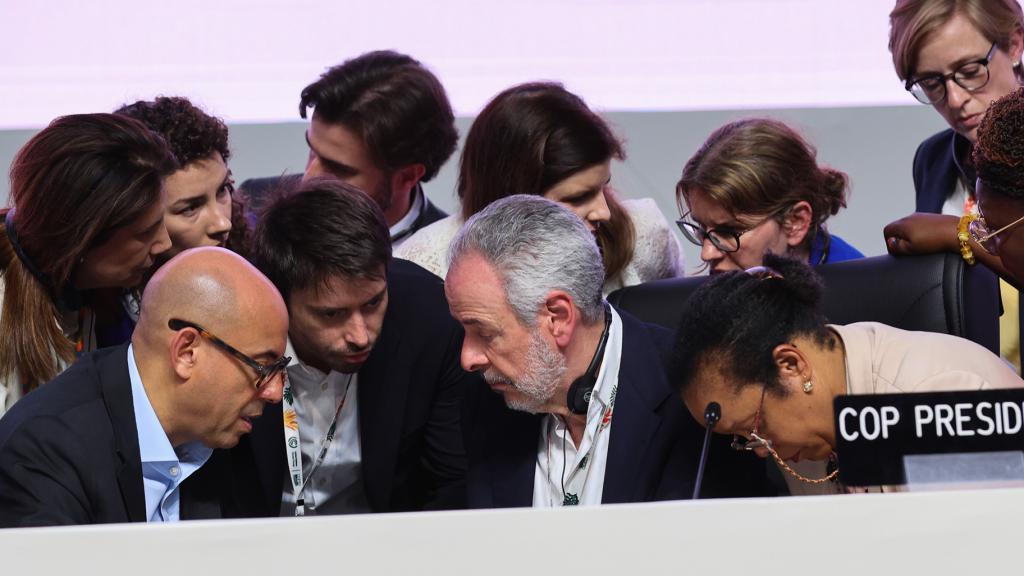
Day 12, November 22 - The UN Climate Change Conference in Belém wrapped up on Saturday with decisions that reflect both a shared desire for global action and increasingly polarized interests.
This year’s conference—which the Presidency had framed as the “implementation COP”—was meant to focus less on what the world must do, rather on how to make it all happen. With major commitments already on the table to tackle global warming and ensure we can adapt to the worsening impacts of climate change, negotiators were expected to pin down tools, indicators, and processes to turn aspirations into action.
But deep divisions on finance, trade measures, mitigation pathways, and other areas stalled progress on these decisions until the very last moment. The outcome of the conference left many disappointed, including more than 80 countries who pushed for a roadmap to transition away from fossil fuels in the final deal. Those who supported a stronger outcome on climate finance for developing countries were equally discouraged.
Still, there were some positive outcomes and a clear desire to make progress in the months and years ahead, including through collaboration outside of the UNFCCC process.
Read our full analysis of the COP 30 outcome.
Insights

What NDCs 3.0 Are (and Aren’t) Saying About Fossil Fuel Production: COP 30 update
While new nationally determined contributions increasingly refer to fossil fuel production and just transition, the majority of fossil fuel-producing countries still avoid committing to actual reductions in production, focusing instead on reducing emissions from extraction and transportation processes.

Rethinking Tax Incentives for Climate Finance: Lessons for COP 30
Our expert Kudzai Mataba explores how strategically designed tax incentives can help drive green investment ahead of COP 30.

What’s at Stake for Transition Away from Fossil Fuels at COP 30
At the 28th UN Climate Change Conference (COP 30), countries should advance the transition away from fossil fuels by shifting public financial flows, raising ambition in their nationally determined contributions, and ensuring a just and inclusive energy transition.

What's at Stake for Climate Change Adaptation at COP 30?
Adaptation is in the spotlight at COP 30. Our experts explain why this COP is so important for adaptation efforts, and where we need to see progress.

COP 30: Key issues on trade and climate agenda
Ahead of the UN Climate Change Conference (COP30) in Belém, IISD trade experts explain why trade is at the heart of the climate conversation—and what’s at stake as trade issues land on the COP 30 agenda.

What to Expect at COP 30
After a tense year, our expert, Jennifer Bansard, shares what to expect when climate change negotiators meet for COP 30 in Belém, Brazil.
IISD's Earth Negotiations Bulletin Reporting On-Site
For over 30 years, Earth Negotiations Bulletin has provided authoritative, in-depth reporting on United Nations negotiations involving the environment and development. Our reporters covered each day of the talks in Dubai, explaining what happened and what it meant for climate action.
Read More
Media Inquiries
Contact our media team for interviews, quotes, or expert commentary at [email protected].
About COP 30
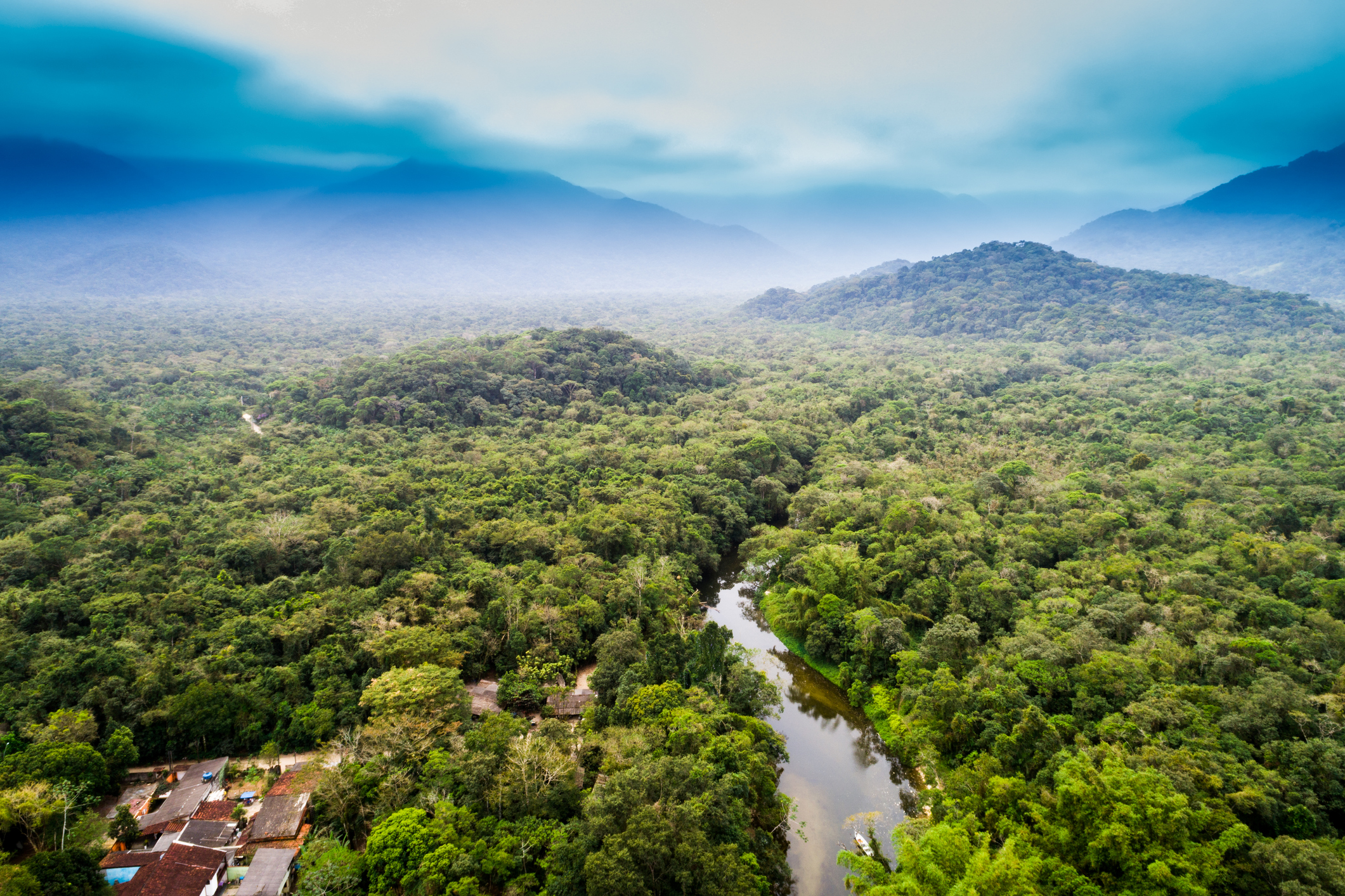
The 30th United Nations Climate Change Conference (COP 30) is taking place in Belém, Brazil, from November 10 to 21, 2025. As the first COP held in the Amazon, it will highlight the connections between climate, biodiversity, food systems, and the rights of Indigenous Peoples and local communities.
With major commitments now on the table, the focus is shifting to implementation. Negotiators will face mounting pressure to agree on indicators to measure adaptation action and set a clear roadmap for scaling up climate finance. Meanwhile, the third round of national climate plans will show whether the world can get on track to limit warming to 1.5°C and build the resilience needed to live with that reality.
As the President of COP 30, Brazil has indicated its aim for the global community to reinforce multilateralism, connect climate action to people’s daily lives, and accelerate the implementation of the Paris Agreement.
Our experts and reporting services will be on the ground in Belém. Follow daily updates in our Earth Negotiations Bulletin.
Participating experts

Patricia Fuller
President and CEO

Emilie Beauchamp
Lead, MEL for Adaptation to Climate Change
Climate Adaptation

Ieva Baršauskaitė
Lead, Trade and Green Transition
Trade, Green Transition, Industrial Decarbonization

Aia Brnic
Manager, Communications
Energy Transition

Vance Culbert
Senior Policy Advisor & COFFIS Secretariat Manager
Energy Transition

Angie Dazé
Director, Gender Equality and Social Inclusion
Gender

Orville Grey
Head of Secretariat, NAP Global Network
Climate Adaptation

Natalie Jones
Senior Policy Advisor
Energy Transition

Jonas Kuehl
Senior Policy Advisor
Energy Transition

Mauricio Luna Rodríguez
Senior Policy Advisor, Climate Change Adaptation Governance
Climate Adaptation

Claire McConnell
Policy Advisor
Agriculture

Jeffrey Qi
Policy Advisor
Climate Adaptation

Valentina Romoli
Policy Advisor and Coordinator
International Environmental and Sustainable Development Negotiations

Shruti Sharma
Lead, Affordable Energy
Energy Transition, India

Lynn Wagner
Senior Director, International Environmental Governance
International Environmental Governance

Jennifer Bansard
Team Leader, Earth Negotiations Bulletin
Earth Negotiations Bulletin

Pamela Chasek
Executive Editor, Earth Negotiations Bulletin
Earth Negotiations Bulletin

Anne Hammill
Associate Vice-President, Resilience
Climate Adaptation, Gender
Related
What Needs to Happen at Bonn Climate Talks: Our experts weigh in on key issues
From climate adaptation to climate finance and nationally determined contributions, our experts outline which priorities must be advanced at climate talks in Bonn to deliver results this November.
What’s Next for Climate Finance? From Seville to Belém
With the dust settling from COP29's hard-fought negotiations on the New Collective Quantified Goal (NCQG), attention is shifting to how the climate finance goal will be met. The challenge is how to scale up financing for increasingly connected priorities in a challenging landscape of debt stress and cuts in official development assistance.
From Bonn to Belém, global climate talks inch forward amid deep divides
The annual two-week Bonn Climate Change Conference concluded on June 26 with some progress but also exposed the deep divisions between parties at a time when the impacts of global warming are intensifying.
Why Gender Matters for Adaptation Indicators
Under the UAE-Belém work programme, nominated experts have been working to develop a set of indicators to help track progress in climate change adaptation. Experts review the “long shortlist” of indicators and analyze how well gender responsiveness has been integrated.