
CEO Transition
Scott Vaughan ends his tenure as President and CEO of IISD, having set the organization up for future success, growth and relevance.
As IISD announced in November last year, today is Scott Vaughan’s final day as President and CEO.
The Board, staff and wider IISD community wish him tremendous success as he takes on the role of International Chief Advisor of the China Council for International Cooperation on Environment and Development (CCICED).
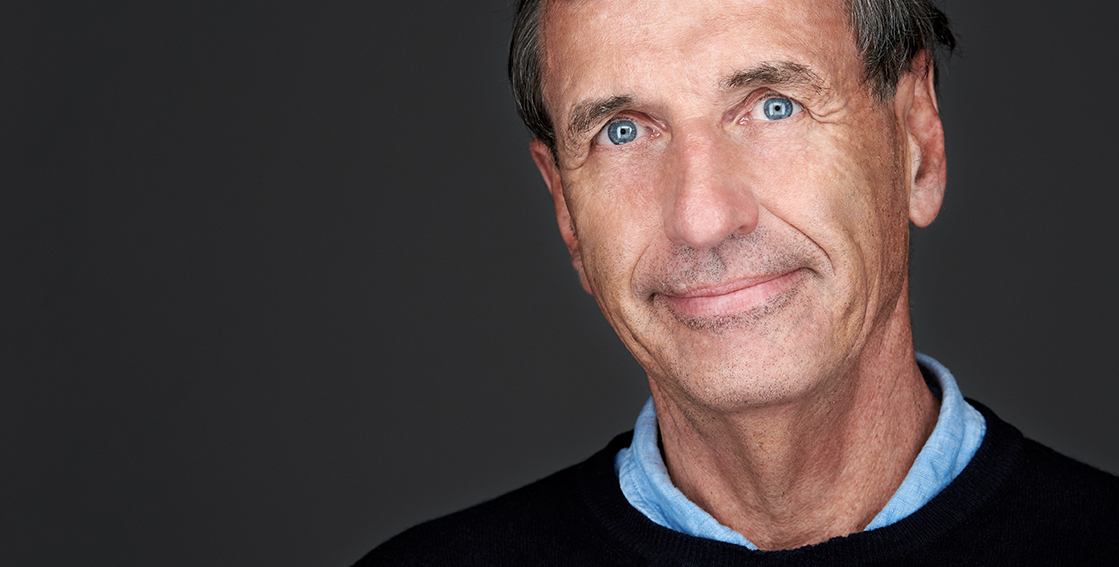
Under Scott’s leadership, not only has IISD’s governance and financial position strengthened, but the research and institutional strategy has evolved to meet clear needs in the world. Scott has always preferred to avoid attention, setting other people up for both the spotlight and success. Nonetheless, he does deserve real credit for the clear progress made under his leadership. We owe him a great debt of gratitude for the passionate and professional way he has served our organization.
Jane McDonald assumes the role of Interim President and CEO on February 1, 2019 with strategic support from the Executive Group. Her insights into IISD as Managing Director as well as her expertise connecting government, the private sector and the non-governmental organization community will ensure a smooth transition as the Board conducts our executive search.
It’s the mark of a great organization that a leadership change neither slows nor distracts from the core mission. The Board has already seen from the staff, key partners and the wider IISD community that this will be the case. IISD’s voice has never been more vital on the world stage and we look forward to finding the right person to help us raise it.
Alan Young
Chair of the Board, IISD
You might also be interested in
Clean Energy Support is Saving Major Energy Importers Billions
New analysis finds public support for renewables and electrification is reducing dependence on imported fossil fuels, strengthening resilience to price shocks, and lowering energy costs.
At Least Seven BRICS+ Nations Shift EV Support to Buses and Two-Wheelers
New analysis finds that at least seven BRICS+ countries—Brazil, China, Ethiopia, India, Indonesia, Malaysia, and Thailand—are directing electric (EV) support toward two- and three-wheelers, as well as public and shared transport.
Midpoint of the UN Tax Convention Negotiations: Where do talks stand?
The negotiations for a new UN Framework Convention on International Tax Cooperation have hit their halfway point. Here's a look at where things stand, what was on the table this round, and what's coming next.
Canadian Exporters Face New Reporting Costs as Carbon Border Taxes Multiply
The European Union’s carbon border tax will add new compliance costs for Canadian businesses that trade certain products, especially steel and aluminum, to the bloc. The increased costs—linked to differing demands for measuring, reporting, and verifying a product’s greenhouse gas emissions across the growing number of countries adopting border carbon adjustment (BCA) mechanisms—“make it tough for any exporter to those markets,” Aaron Cosbey, senior associate at the International Institute for Sustainable Development (IISD), told The Energy Mix.