
Nine Wins for Sustainable Development in 2024
Looking back on 2024, let’s take a moment to pause and appreciate the positive milestones of the year. Join us in celebrating the small and big wins for global sustainability.
1. WTO inches closer to broader fisheries subsidies agreement
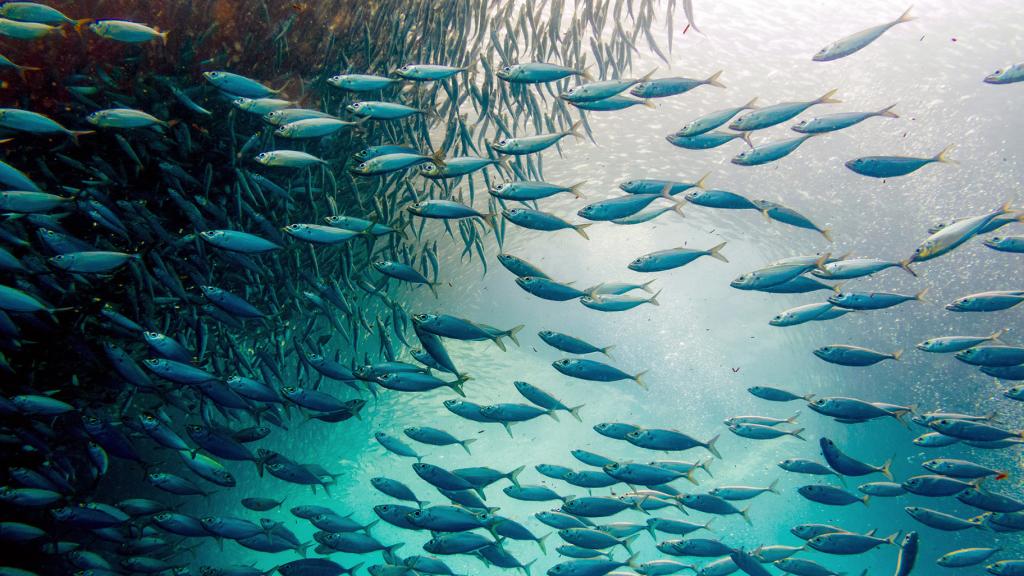
The WTO Fisheries Subsidies Agreement, adopted in 2022, marked a milestone for sustainable fishing by prohibiting harmful subsidies in key situations. Further progress was made in 2024, bringing members closer than ever to a broader agreement. While these additional rules are not perfect, they hold significant sustainable development value.
2. Women are transforming food security in Kenya by tackling food loss and waste

In collaboration with IISD, women have driven new post-harvest strategies, retailer guidelines, and redistribution efforts—laying the groundwork for sustainable change. Challenges remain, but partnerships and innovative solutions are offering hope for reducing food insecurity and malnutrition in the region.
3. UN adopts more inclusive tax guidelines, aiming to balance developing and developed country priorities
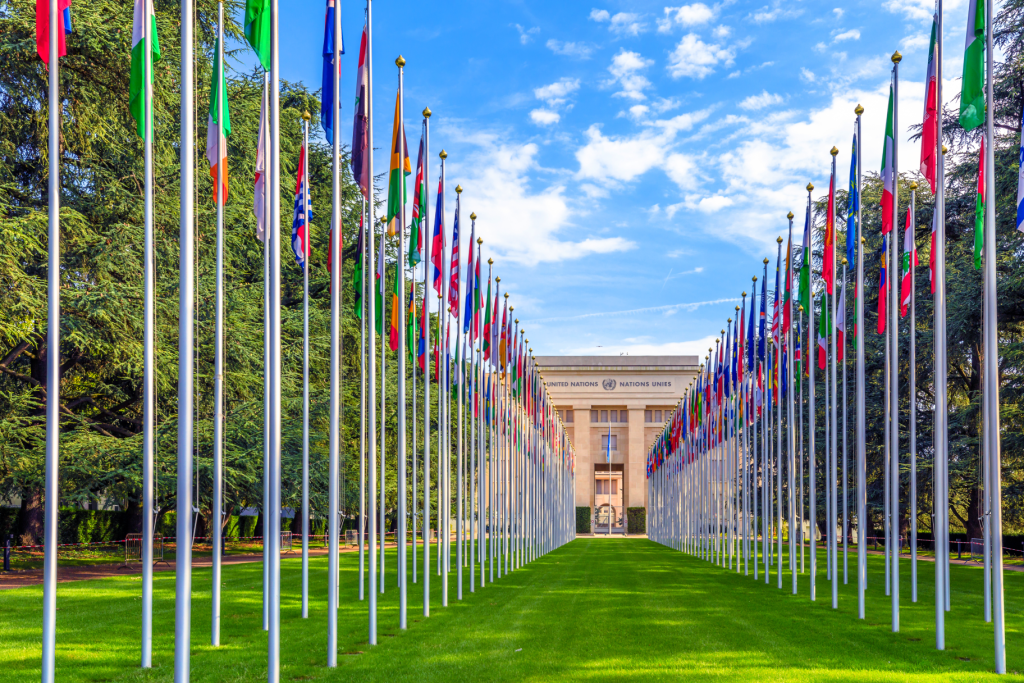
The UN made strides toward a global tax framework. 110 countries endorsed guidelines for designing an inclusive tax convention, balancing developed and developing countries' priorities. While challenges persist, the progress highlights increased influence of developing countries in shaping global tax policies and fostering collaboration for sustainable development.
4. EU votes to exit Energy Charter Treaty, marking a milestone for green energy transition
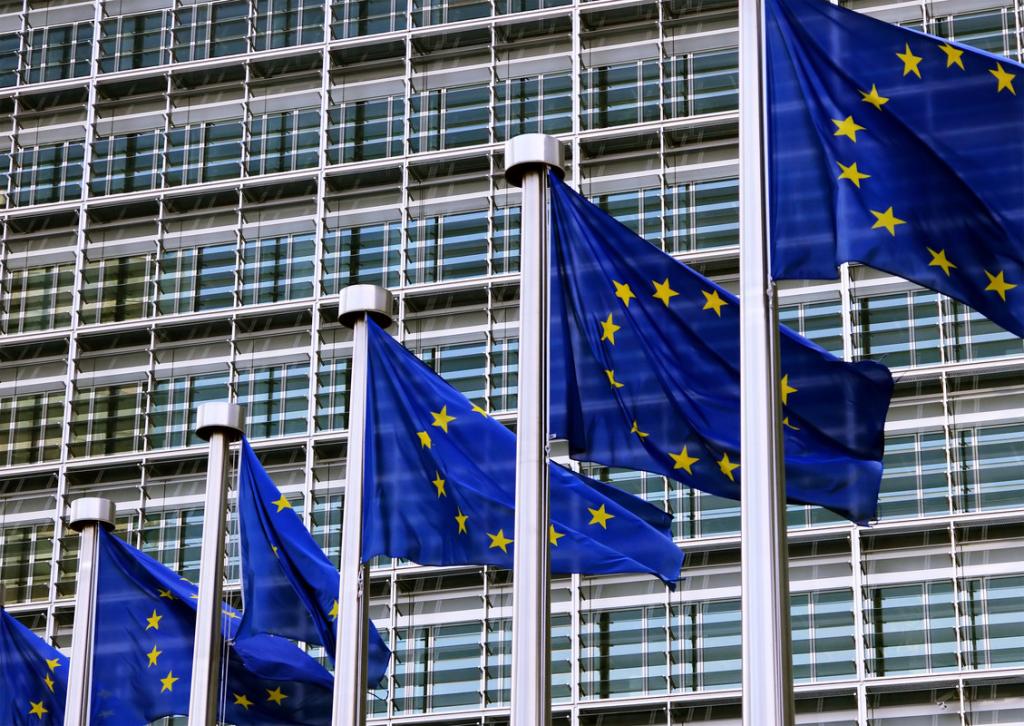
In April 2024, European Parliament voted to withdraw the EU from the Energy Charter Treaty. By ending fossil fuel investor privileges under investor-state dispute settlement (ISDS), the move aligns investment treaties with climate goals, setting a precedent for reforming outdated agreements to prioritize sustainable energy policies.
5. UK becomes the first G7 nation to phase out coal power
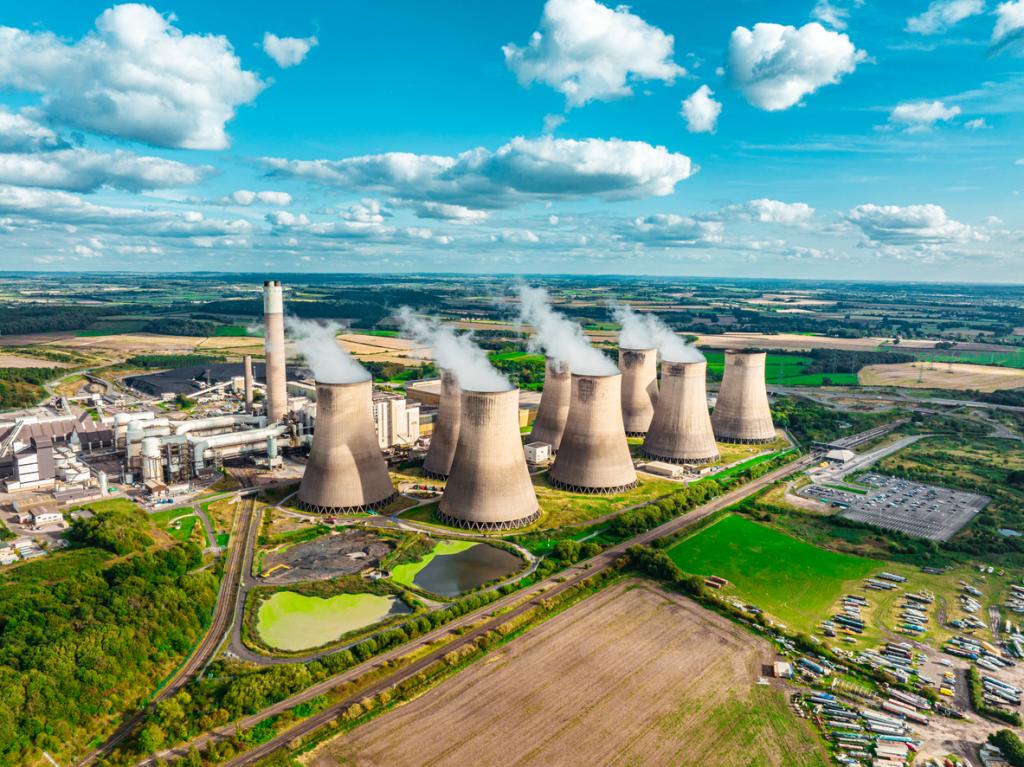
The UK’s last coal-fired power plant, Ratcliffe-on-Soar in Nottinghamshire, closed in September, ending a 142-year era of burning coal to generate electricity.
6. A dedicated community in Zambia successfully restores the once-vibrant Nsongwe River
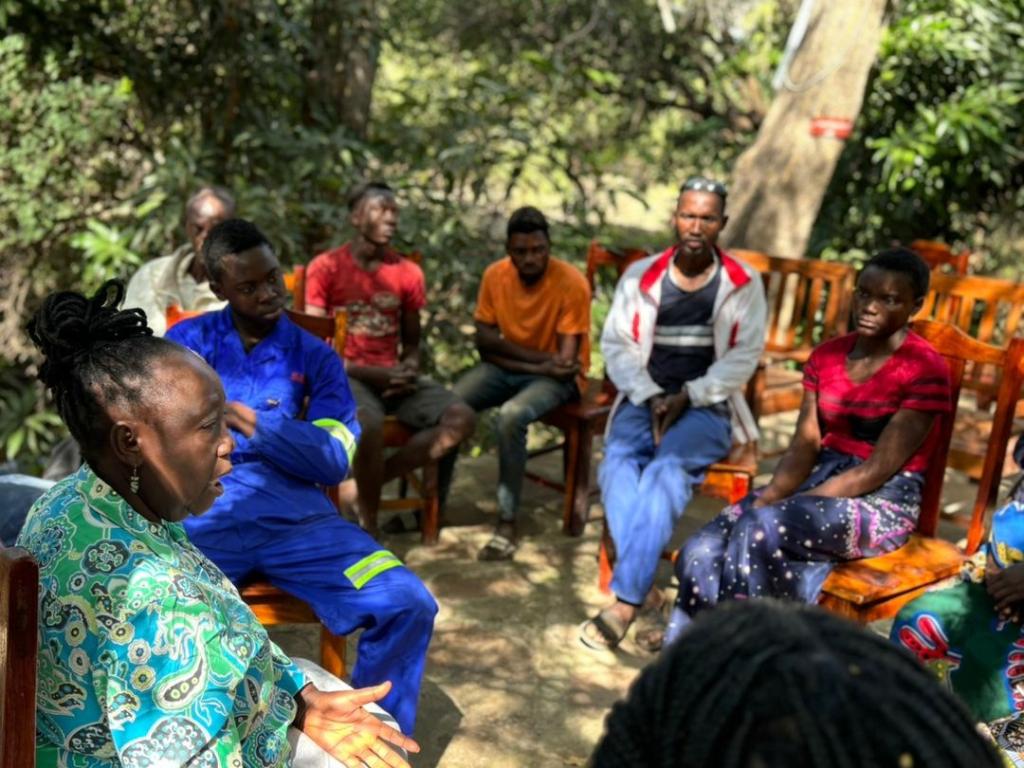
The Nsongwe River in Zambia was once a sanctuary for nearby communities and the wildlife that called it home. It ran dry, but a local community in a small village outside of Mosi-Oa-Tunya National Park in Kazungula District has slowly been bringing it back to life.
7. Farming families in Costa Rica tackle drought with water reservoirs.
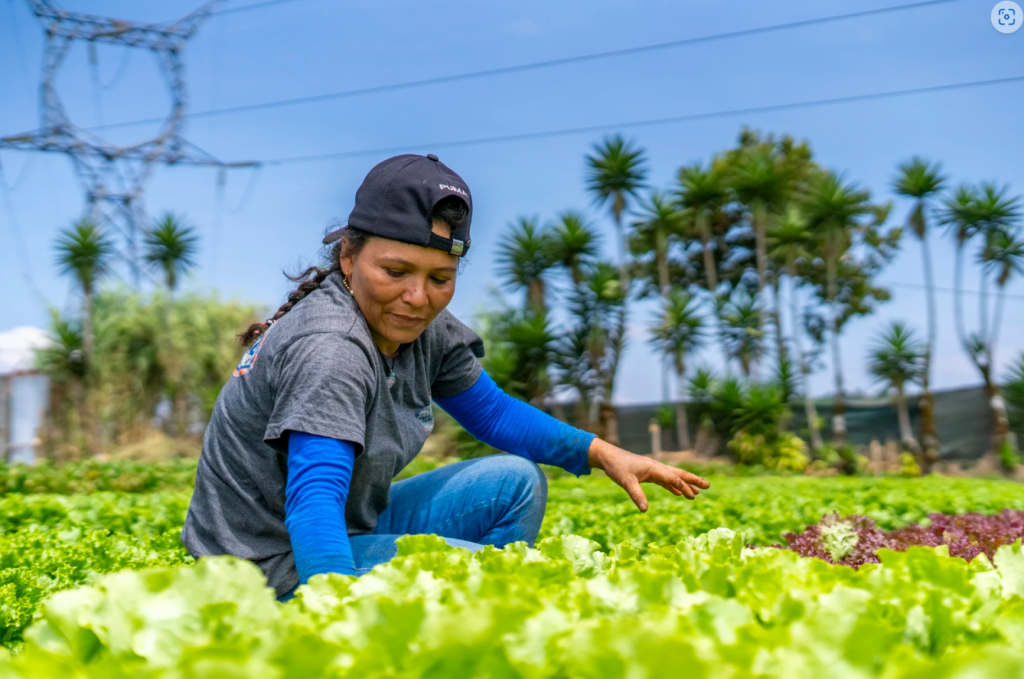
As a priority in Costa Rica's National Adaptation Plan, the new water reservoirs improve irrigation systems and make more efficient use of water resources, strengthening farming communities' resilience to climate change.
8. Canada launches a federal agency to protect fresh water
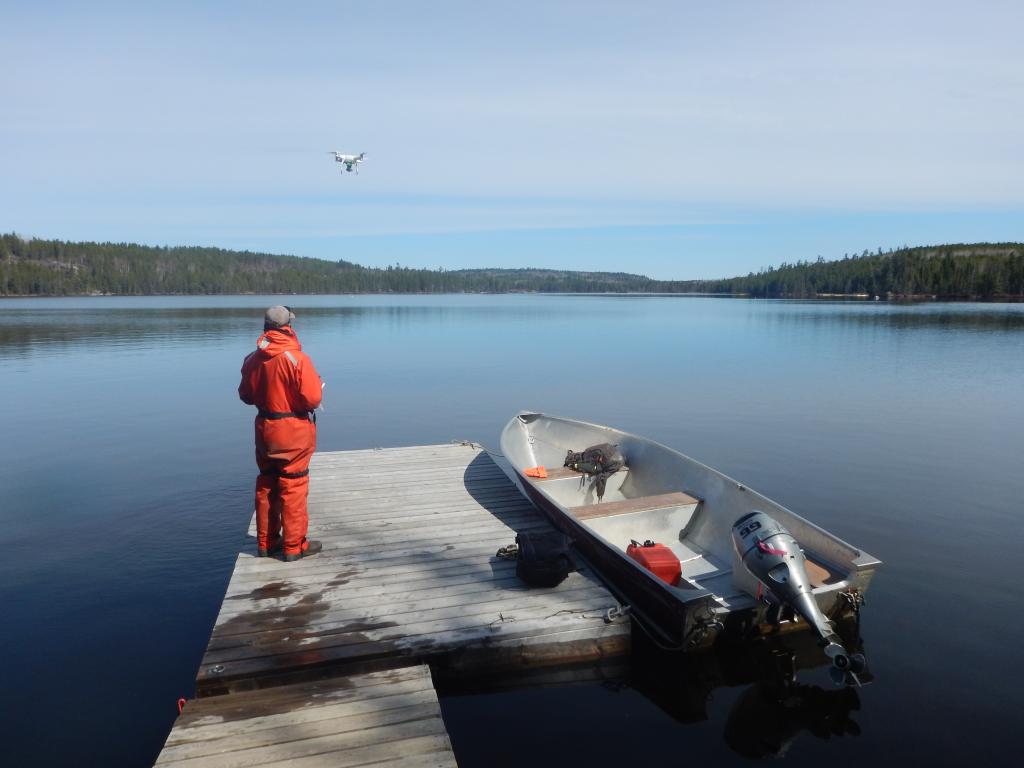
“The Canada Water Agency has been sorely needed for a long time in this country. Now we need to determine how the CWA tackles all the myriad issues that plague Canada’s freshwater supplies, to benefit us now, and for generations to come.” said Pauline Gerrard, executive director of the IISD Experimental Lakes Area.
9. 30% of the world’s electricity comes from renewables

The world has passed a clean energy milestone, as a boom in wind and solar meant a record-breaking 30% of the world’s electricity was produced by renewables in 2023.
You might also be interested in
Midpoint of the UN Tax Convention Negotiations: Where do talks stand?
The negotiations for a new UN Framework Convention on International Tax Cooperation have hit their halfway point. Here's a look at where things stand, what was on the table this round, and what's coming next.
Canadian Exporters Face New Reporting Costs as Carbon Border Taxes Multiply
The European Union’s carbon border tax will add new compliance costs for Canadian businesses that trade certain products, especially steel and aluminum, to the bloc. The increased costs—linked to differing demands for measuring, reporting, and verifying a product’s greenhouse gas emissions across the growing number of countries adopting border carbon adjustment (BCA) mechanisms—“make it tough for any exporter to those markets,” Aaron Cosbey, senior associate at the International Institute for Sustainable Development (IISD), told The Energy Mix.
Experimental Lakes gets $2M for major facilities upgrade
A one-of-a-kind research station is studying small lakes to inform freshwater science all over the world is getting a new facility with more space for scientists and students. Located between Dryden and Kenora, the International Institute for Sustainable Development’s Experimental Lakes Area allows scientists and students to run experiments on 58 small lakes in the area.
Province investing $2M to ‘ensure northwestern Ontario remains a global leader in freshwater science and research’
The Government of Ontario is making a targeted investment to “strengthen northern Ontario's leadership in freshwater science, support research and innovation and create new educational and economic opportunities in the region.” On Aug. 13, the Northern Ontario Heritage Fund Corporation (NOHFC) — a regional granting subsidiary of the provincial government — announced that it will be investing $2 million to build a new Centre for Climate and Lake Learning at the International Institute for Sustainable Development Experimental Lakes Area (IISD-ELA), which is located about halfway between Kenora and Dryden.