
Inside the UN Tax Convention Negotiations
The United Nations Framework Convention on International Tax Cooperation is a proposed international agreement on tax to be established under the UN umbrella. It aims to create a fairer and more effective approach to global tax governance.
With the adoption of the Terms of Reference in December 2024, formal negotiations on the UN Convention on Tax began in early 2025 under the leadership of an Intergovernmental Negotiating Committee (INC). During its organizational session in February 2025, the INC agreed to develop two early protocols alongside the convention: one on cross-border services and another on dispute prevention and resolution.
Negotiating sessions
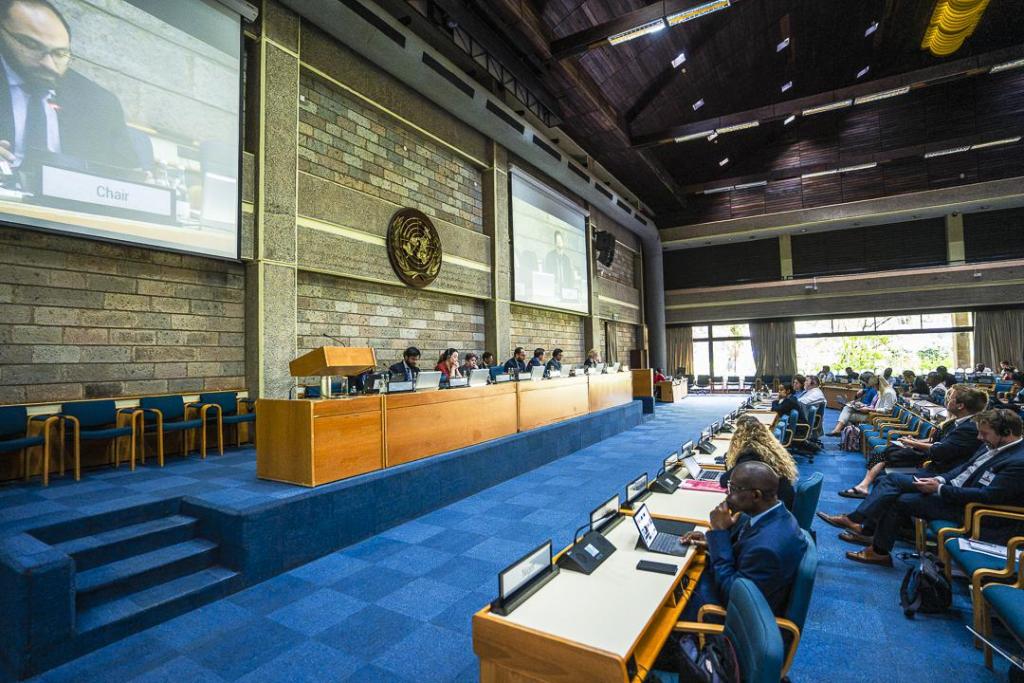
The first, second, and fourth substantive negotiating sessions were held at UN Headquarters in New York in August, while the third session took place at the UN Office in Nairobi from November 10 to 19, 2025. The INC is expected to convene three times annually until 2027, when the final text of the convention and both protocols are due for submission.
The fifth negotiating session took place August 3–13, 2026 in New York. From addressing tax base erosion to ensuring a fair distribution of taxing rights for developing nations and embedding sustainable development, this session marked a critical move from high-level commitments to concrete treaty text. Read about what took place at the fifth negotiations and where the negotiations stand now.
What happened at the latest round of negotiations in New York?
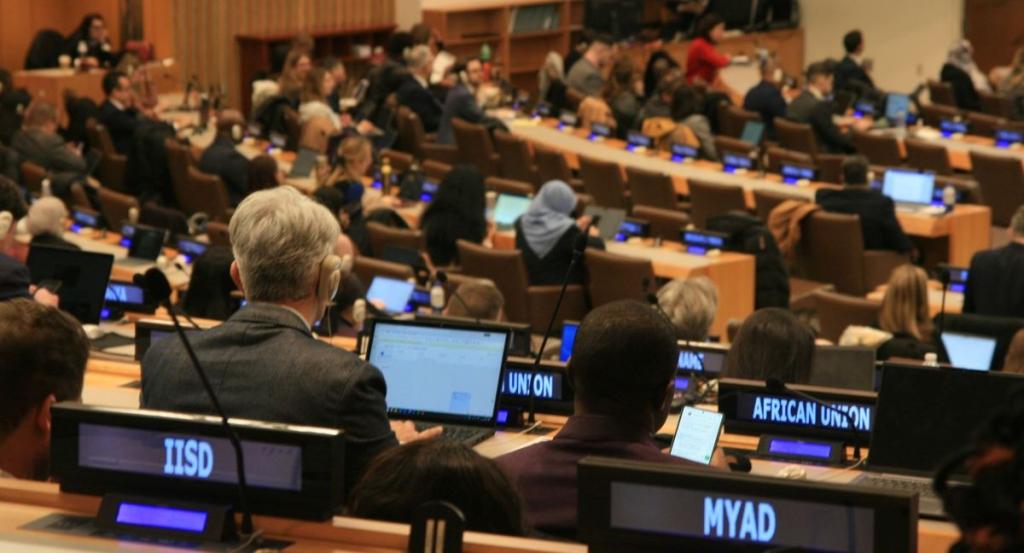
Negotiations have now moved into detailed drafting: Countries reviewed and provided inputs on the draft text of the UN Convention on Tax and its two early protocols, building on intersessional work.
UN Convention on Tax – Core Text
Article 4 on human rights and sustainable development
Debates on Article 4 revealed persistent divisions over whether sustainable development, inequality, and human rights should be embedded as operational principles or remain high-level guidance, with many countries warning that overly broad language risks either exceeding the convention’s mandate or weakening its practical impact.
Article 5 on the fair allocation of taxing rights
Delegations were sharply divided over how taxing rights should be allocated in a globalized economy. Proposals to recognize taxation where economic activity and markets exist were strongly supported by the Africa Group and several developing countries, while many Global North countries emphasized legal certainty and cautioned against language that could require a renegotiation of existing bilateral tax treaties.
Articles 8 on harmful tax practices, 11 on the exchange of information, and 12 on capacity building and technical assistance
Discussions advanced on the practical implementation of provisions on harmful tax practices, focusing in particular on the role of administrative cooperation and exchange of information as enabling mechanisms—in particular, harmful tax practices, administrative cooperation, and exchange of information. Delegates disagreed on how harmful practices should be defined and whether transparency commitments should stand as core convention obligations or be deferred to protocols. Developing countries emphasized that administrative assistance and information exchange are essential to avoid reproducing existing inequalities in access to tax cooperation systems, while others favoured a more flexible framework approach.
Protocol 1 on taxing cross-border services
Countries focused on defining nexus rules for taxing cross-border and digital services, with stakeholders debating criteria to include, such as payment source, user location, permanent establishment, or significant economic presence. Meanwhile, implementation—especially concerning whether the protocol should override existing bilateral treaties—became the defining political fault line. Progress was made in clarifying options, but no consensus was reached on the legal architecture needed to translate ambition into workable rules.
Protocol 2 on dispute prevention and resolution
Countries examined a broad menu of options for preventing and resolving cross‑border tax disputes under Protocol 2, looking at which mechanisms should be included in the protocol and whether they should be mandatory or optional. On dispute resolution tools, the list included mutual agreement procedures, conciliation, and mediation, which attracted broad support. Arbitration remained contentious, with many low- and middle-income countries opposing mandatory mechanisms to avoid transferring sovereignty to external tribunals, while others viewed them as necessary for certainty.
Need to Know
A Roadmap for Negotiating the Protocols to the United Nations Framework Convention on Tax
This report examines the early protocols on cross-border services taxation and dispute resolution, as well as other identified priorities and potential protocols under the UN Framework Convention on Tax. For each protocol, it outlines its importance, reviews ongoing efforts, identifies challenges faced, and assesses how the Convention could advance the issue.
Read now
Side Event: Tax Dispute Resolution Under the UN Convention on Tax: Lessons from investment arbitration
Webinar: Next Steps for the UN Convention on Tax
Read our latest research and analysis

Why the Scope of Taxes Covered Will Determine the Success of the UN Framework Convention’s Services Protocol
This article analyzes the UNFCITC draft protocol on cross-border services and its ambitious proposal to cover digital service taxes and quasi-income levies.

Rising Investor-State Tax Arbitration Cases Threaten Fiscal Sovereignty: Here’s what the UN Tax Convention can do
Tax disputes are increasingly being brought before investor-state dispute settlement (ISDS) tribunals, undermining fiscal sovereignty and exposing governments to significant financial liabilities. The UN Framework Convention on Tax, currently under negotiation, offers a chance to stop this.

Arbitration and the United Nations Framework Convention on Tax
This brief examines the risks of using investor–state dispute settlement (ISDS) for cross-border tax disputes under the UN Framework Convention on Tax, showing why ISDS is ill-suited and offering a baseline for negotiators exploring alternative arbitration options in the protocol.

A Roadmap for Negotiating the Protocols to the United Nations Framework Convention on Tax
This report outlines key challenges, ongoing efforts, and strategic recommendations for developing the protocols under the United Nations Framework Convention on International Tax Cooperation (UN FCITC).

Next Steps for the UN Convention on Tax: Mapping Priorities
Drawing on new IISD research, this webinar provides evidence-based analysis to identify priorities and practical pathways towards an effective United Nations Framework Convention. The session features a panel discussion examining the key challenges and opportunities associated with implementation, with a particular focus on assessing the feasibility of current proposals and translating them into actionable strategies.

UN Tax Convention: What happened at recent negotiations, and what’s next?
This article analyzes key decisions made at the latest round of negotiations for a UN Convention on Tax and explores how the convention can be most effective tackling the challenges of developing countries.


