Agricultural Wetland Research Network
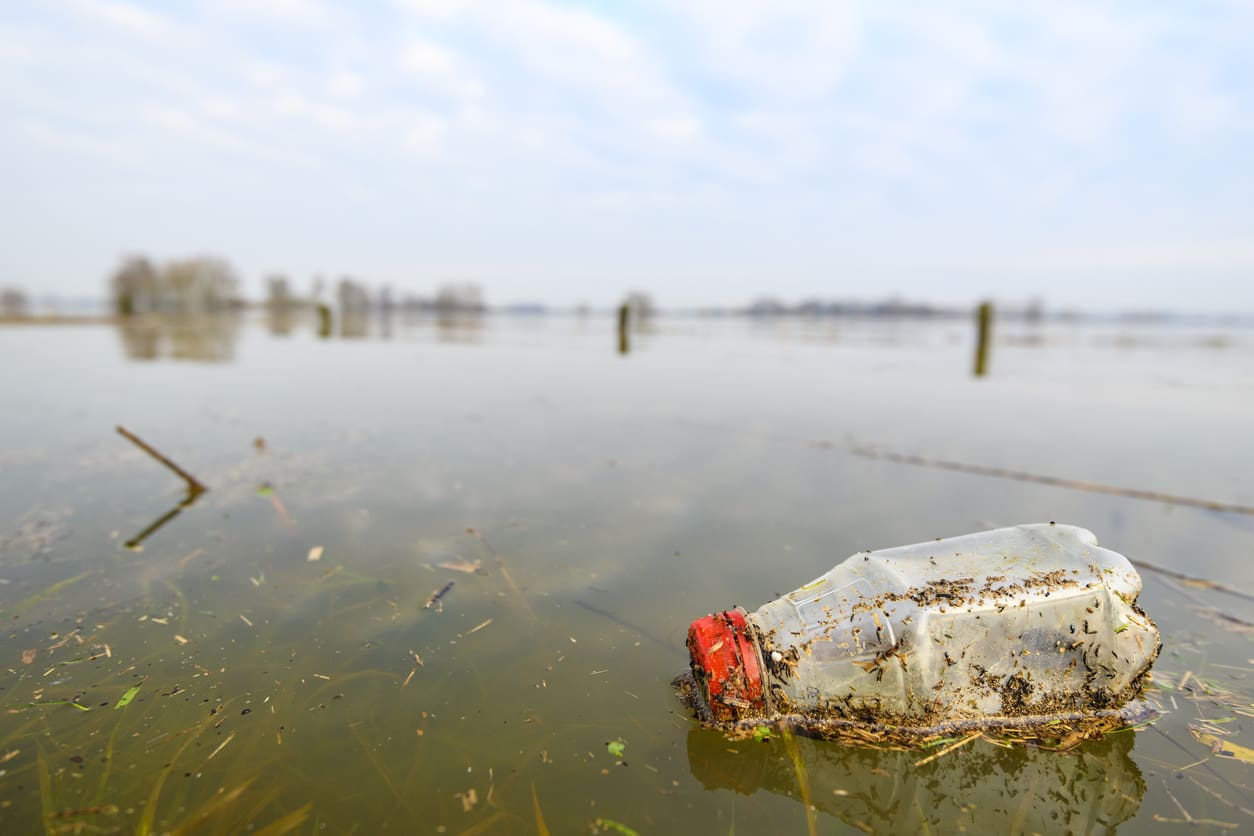
Wetlands have long been contested spaces—and unfortunately, these natural ecosystems usually lose when it comes to land-use conflict with agriculture. Throughout human history and across the globe, wetlands have typically been viewed as obstacles to be removed in favour of agricultural production.
The Canadian Prairies represent a clear example of this, where the conflict between agriculture and wetlands was evident in the journal of explorer Henry Youle Hind, who wrote in 1860 of the wetland-rich province of Manitoba:
A very little well-directed labour would convert these extensive marshy areas into the richest pasture and hay privileges, and drive to more congenial haunts the myriads of snipe and plover we disturbed in our passage through them. (p. 167)
Please click the images below to watch the videos.
After 150 years of human settlement and agricultural development on the Canadian Prairies, in some areas, 70 per cent of natural wetlands have been lost.[i] The situation is similar elsewhere in the world. According to the 2005 Millennium Ecosystem Assessment, wetland conversion—the clearing, transforming and draining of wetlands for agricultural purposes—“has been the principal cause of inland wetland loss worldwide” (p. 40). An estimated 56 to 65 per cent of inland and coastal marches have been drained for intensive agriculture in Europe and North America. Less developed countries have experienced a range of loss rates; wetlands have decreased in Asia by 27 per cent, in South America by six per cent and in Africa by two per cent.
These agriculture-related losses cause additional challenges such as reduced water availability for irrigation, increased nutrient loading, increased pesticide contamination and lower biodiversity. Furthermore, human settlement can be strained in areas with wetland loss, particularly for the poor, who often practice subsistence agriculture, and depend on inland wetlands and other sources of freshwater for domestic water supplies, sources of food and income.
Fortunately, there is a growing realization that wetlands are in fact amongst the world’s most productive environments, and they actually provide important benefits to agriculture and society as a whole. These ecosystem services to agriculture include flood buffering, water storage, nutrient removal, water purification, erosion control and carbon storage.
New recognition of the untapped opportunities related to wetlands and agriculture, and their potential mutualistic relationship, calls for input from global experts to discuss such questions as:
- How can these values be communicated to landowners?
- What scientific data are needed to properly manage agricultural wetlands?
- What models of governance work best for agricultural wetlands?
- How can remaining agriculture-wetland conflicts (e.g., migratory birds) be mitigated?
- How can degraded agricultural wetlands be restored?
- How can the value of wetlands be recognized in the economy?
To facilitate this discussion, the Agricultural Wetlands Research Network (AWRN) has been created with support from the Province of Manitoba. Through its online discussion forum, the AWRN allows for the ongoing international participation of researchers on the many aspects of this complex topic.
Current case studies being discussed online include:
-
Ñeembucú Wetlands (Paraguay) (PDF - 591 KB)
A 8,000 square-km critical bird flyway. -
Hula Valley Wetlands (Israel) (PDF - 485 KB)
A restored wetland and migratory bird flyway. -
Netley-Libau Marsh (Canada) (PDF - 1 MB)
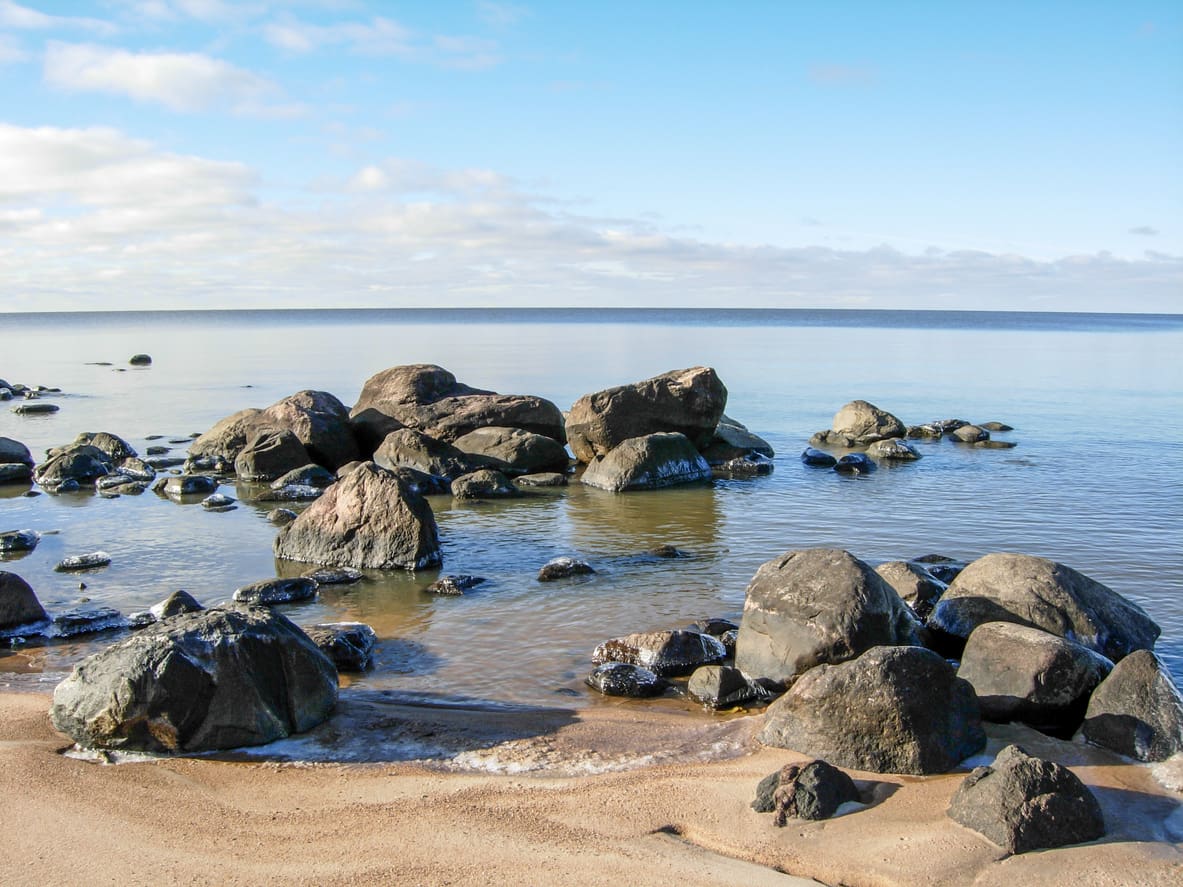
At the south end of the tenth-largest freshwater lake in the world (Lake Winnipeg), where researchers are seeking a way to integrate wetlands into the economy through the production of bioproducts.
If you are interested in joining the network, please contact Bryan Oborne.

If you are already registered, you can login to the network here:
Bibliography:
Hind, H.Y. (1860). Narrative of the Canadian Red River Exploring Expedition of 1857.
Millennium Ecosystem Assessment. (2005). Ecosystems and human well-being: Wetlands and water synthesis. Retrieved from: http://www.maweb.org/documents/document.358.aspx.pdf