Welcome to the world's freshwater laboratory
IISD Experimental Lakes Area is one of the most influential freshwater research facilities on Earth.
Take a virtual tourIISD Experimental Lakes Area is one of the most influential freshwater research facilities on Earth.
Take a virtual tourIISD Experimental Lakes Area is the world’s freshwater laboratory.
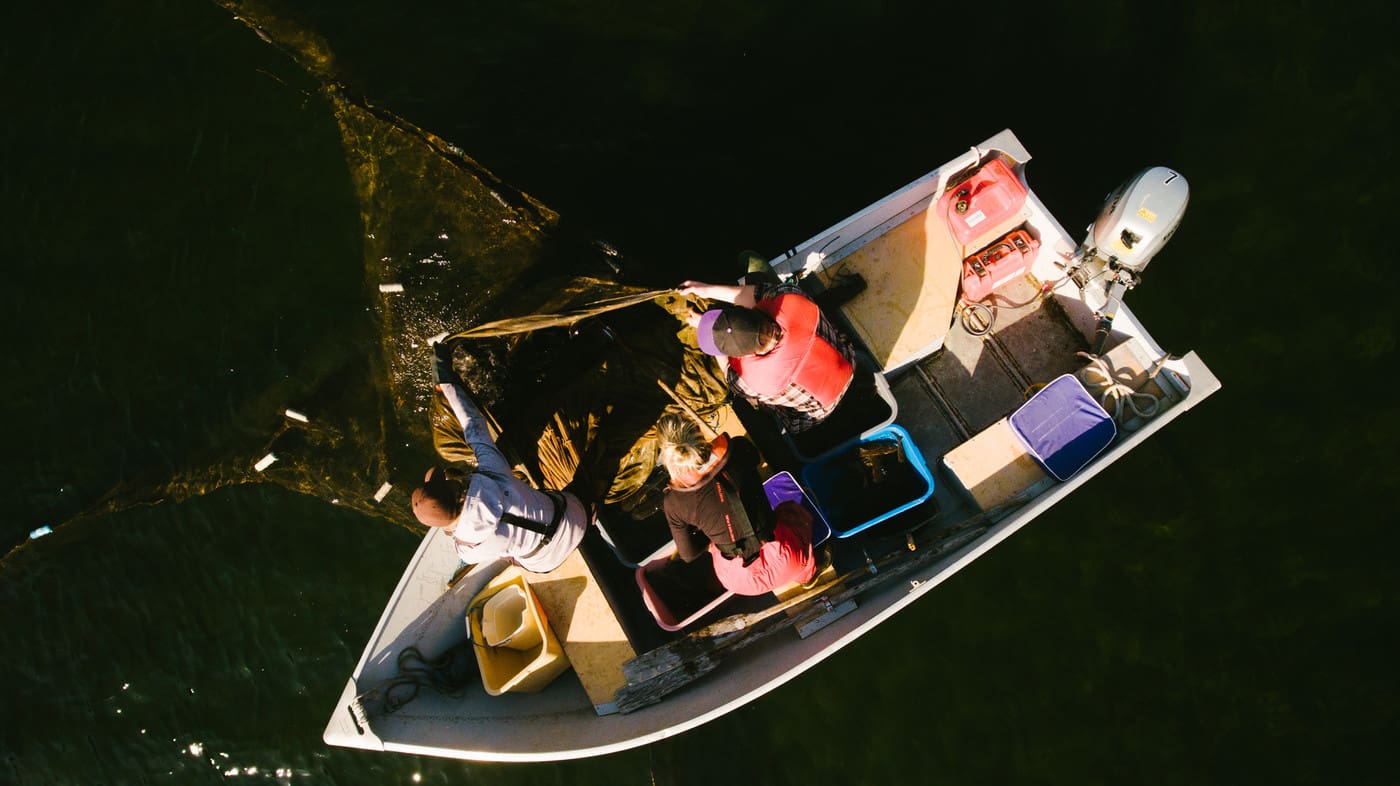
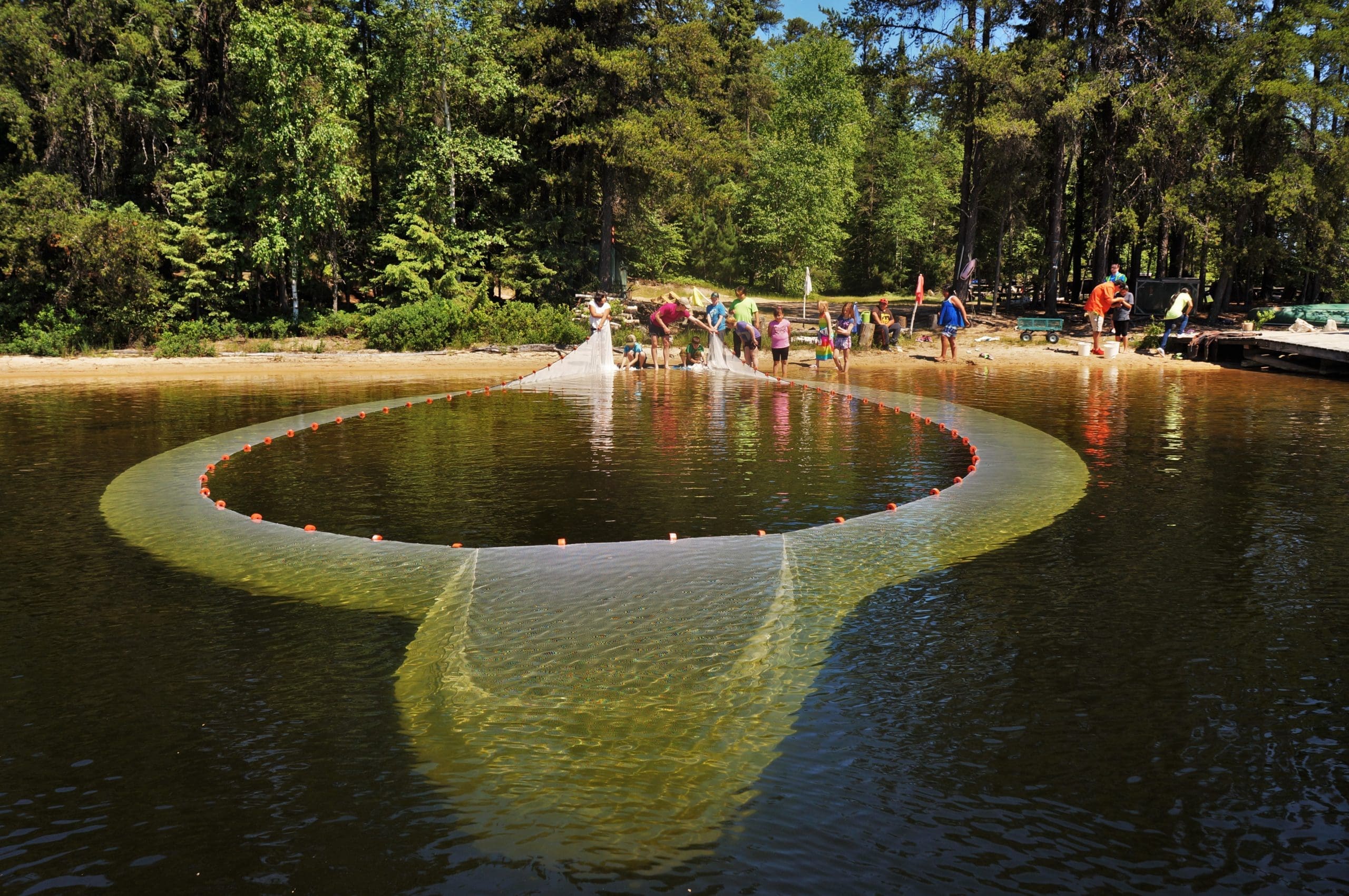
This is the only place in the world where scientists can manipulate real lakes, over the long term, to understand what human activity does to fresh water.
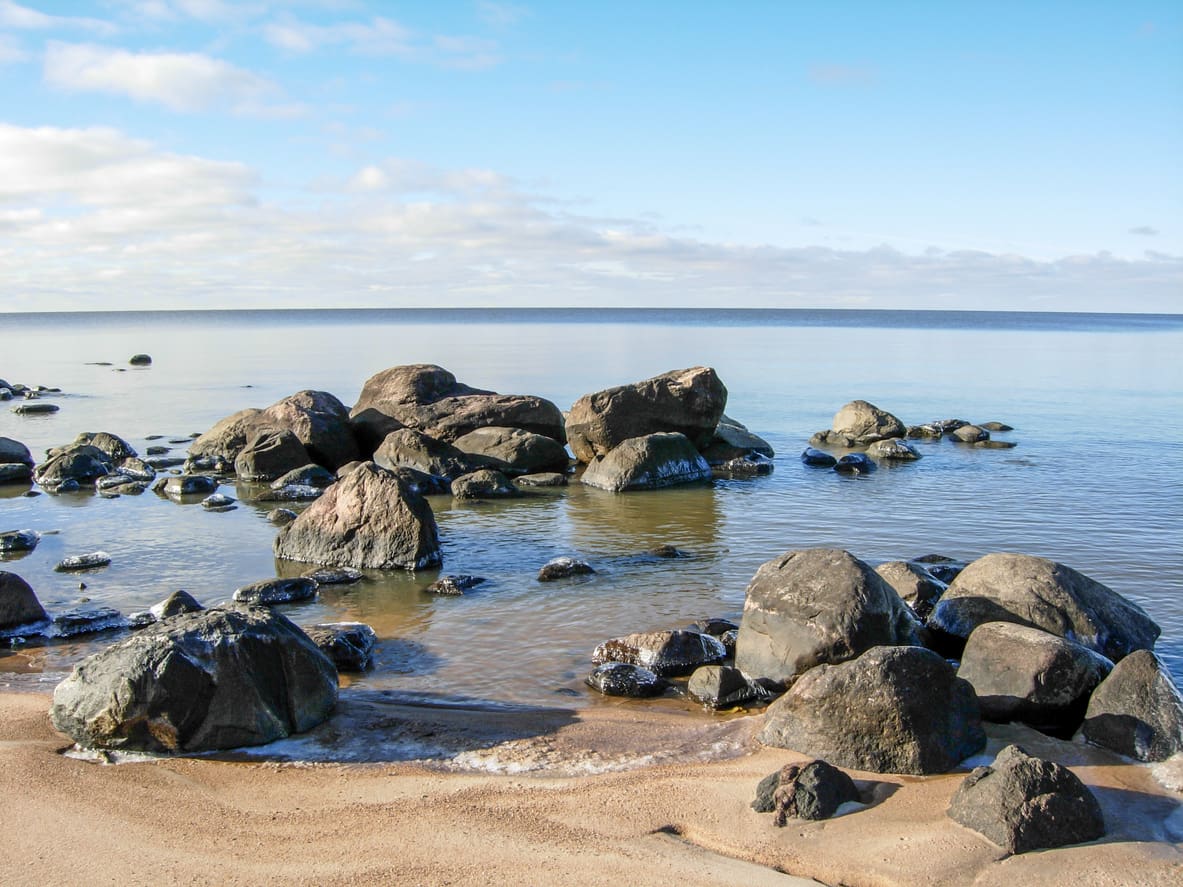
There are no silly questions in science. So, if you have always wondered what a lake actually is, allow us to explain...
Fresh water takes many forms. Learn more about what fresh water is and why it is important.
A limnologist is essentially a scientist who studies all aspects of a body of water. But it can be much more complex!
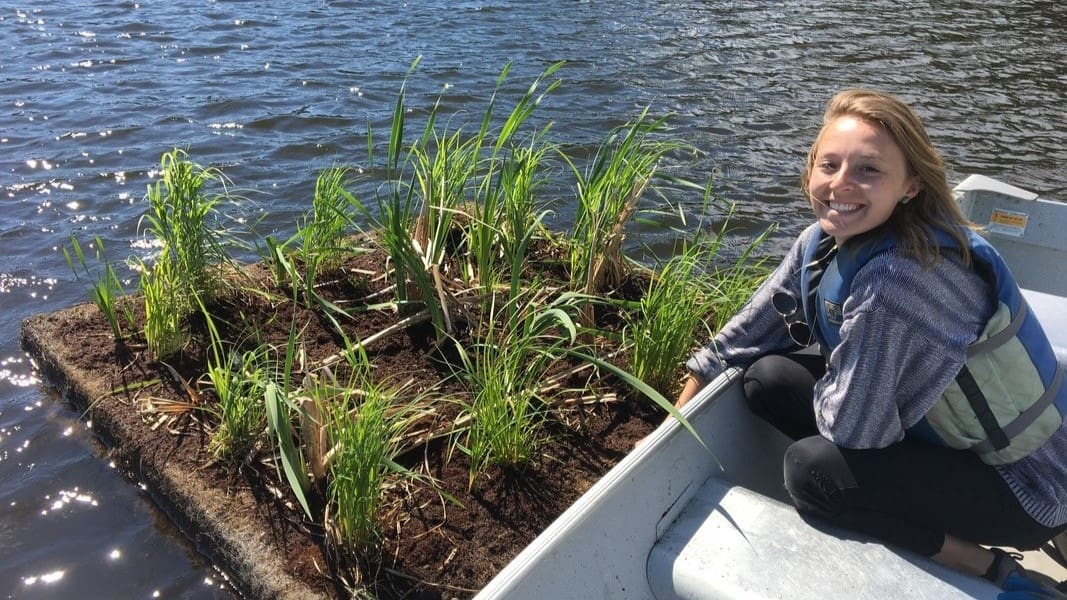
We tackle new and emerging threats to fresh water head on. Here are just a few...
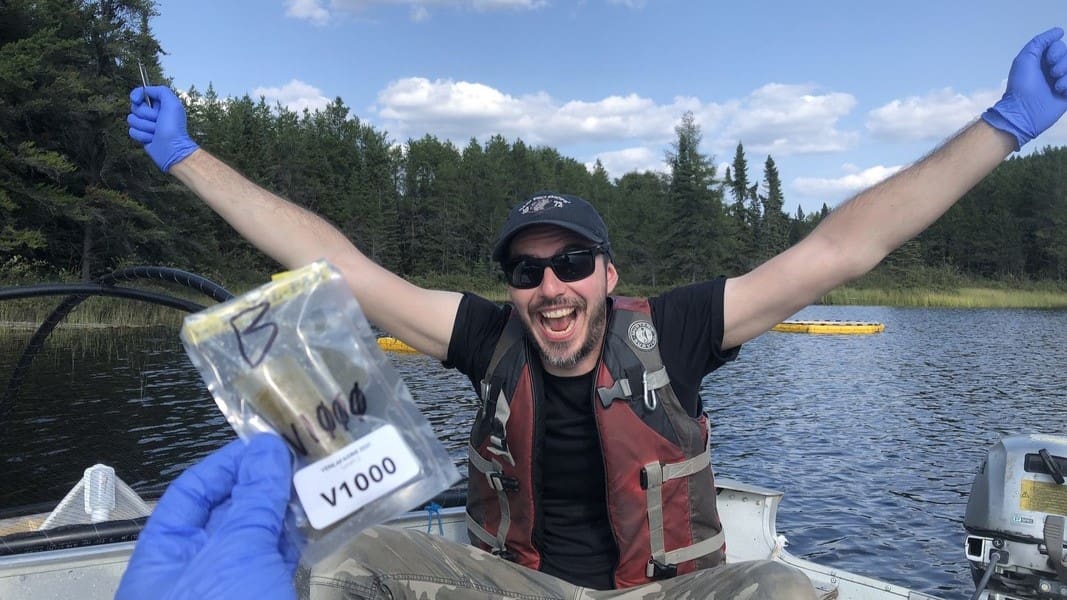
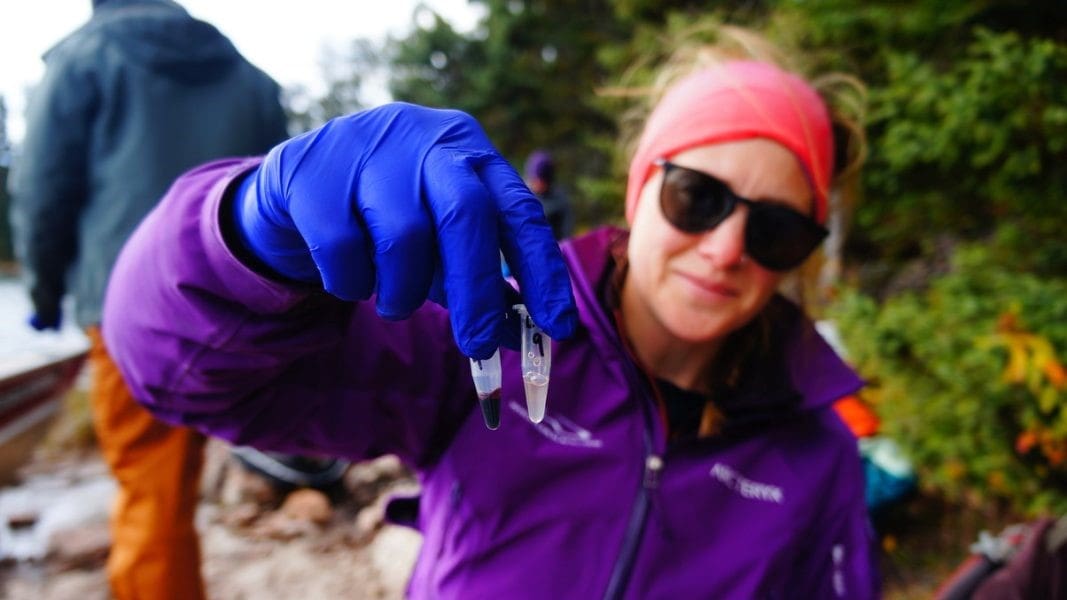
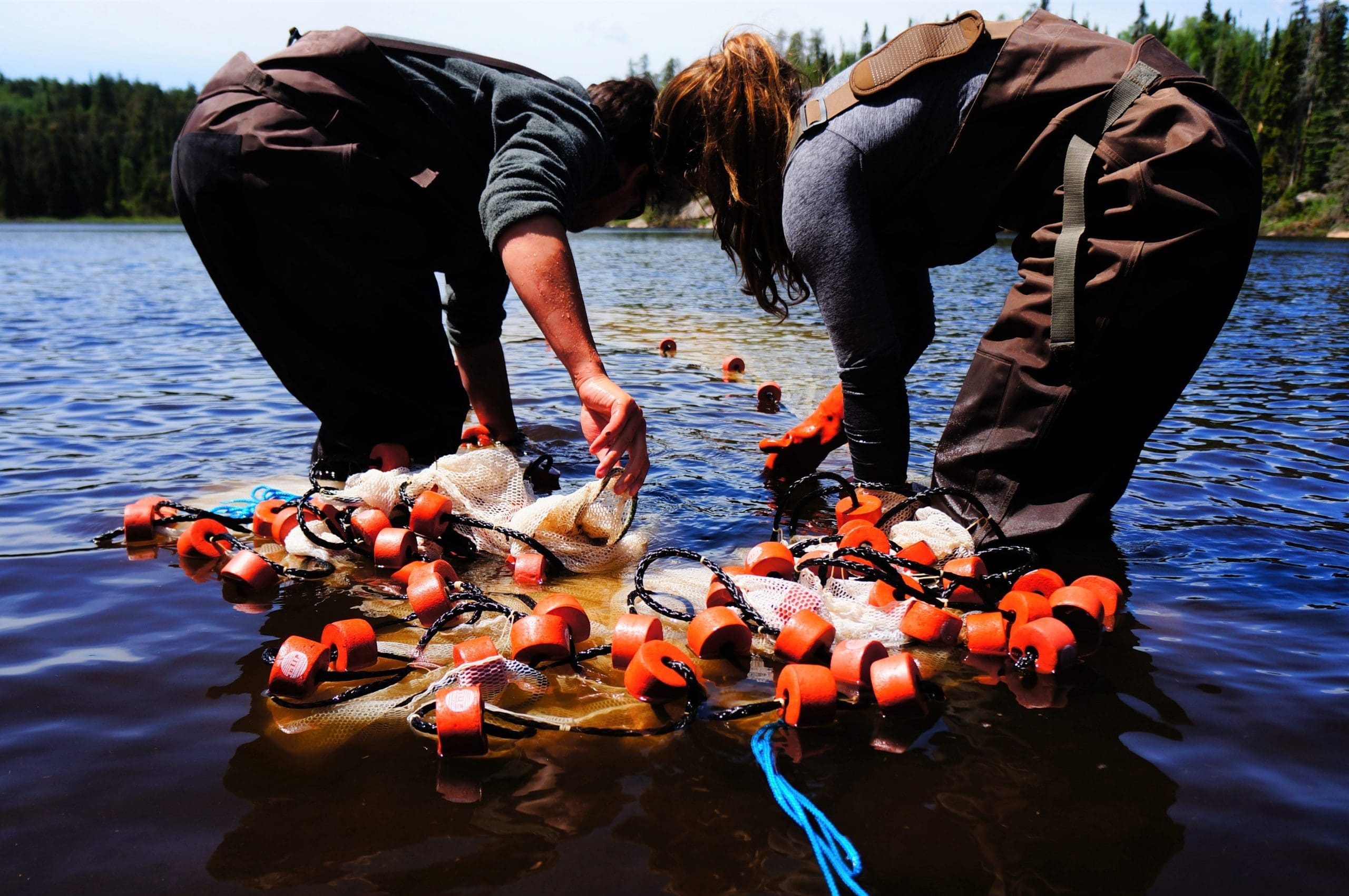
We conduct experiments on real lakes and ecosystems—one of the only places in the world you can do this—and then use those results to create new policies and practices to protect fresh water. Now. And for generations to come.
Here’s what people are saying about us and how we tackle threats to fresh water.

Sanela Suljanovic, high school student who participated in our ELSE program
"74% of Winnipeg restaurant-goers want their local eateries to do more about waste, according to a new survey conducted by IISD Experimental Lakes Area."
Read More