What's New in WIC?
-
Our Lake, Our Solutions: Two years of progress and partnerships
Two years ago, the International Institute for Sustainable Development (IISD) hosted the Lake Winnipeg Basin Summit in Winnipeg, Manitoba. The event brought together 150 stakeholders to talk about solutions for Lake Winnipeg, the 10th largest freshwater lake in the world and one of the most nutrient-stressed.
To mark the second anniversary of the Summit, IISD has produced a video featuring an overview of the progress since 2010, particularly research into how to turn the concept of a bioeconomy for the Lake Winnipeg Basin into reality.
A key point that came out of the Summit was that the problem of Lake Winnipeg phosphorus loading could be flipped on its head and viewed as an opportunity for innovation and economic development. Phosphorus is critical to agriculture and to global food security. As the steward of Lake Winnipeg, and the recipient of nutrients from three other provinces and four states, Manitoba is actually sitting on a remarkable sustainable development opportunity—one that could be good for the economy, the environment and for all Manitobans.
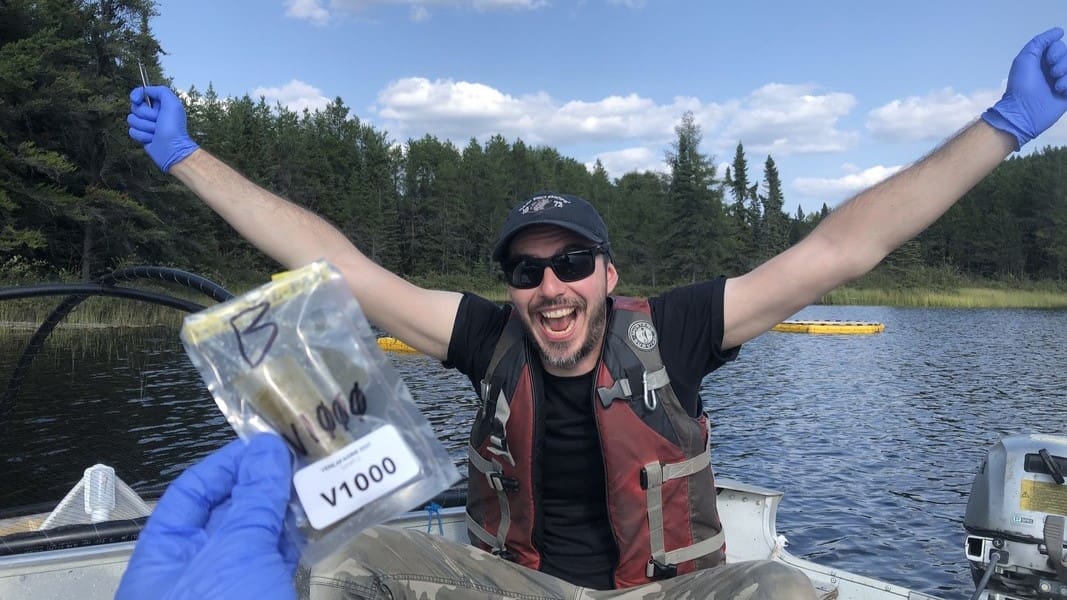
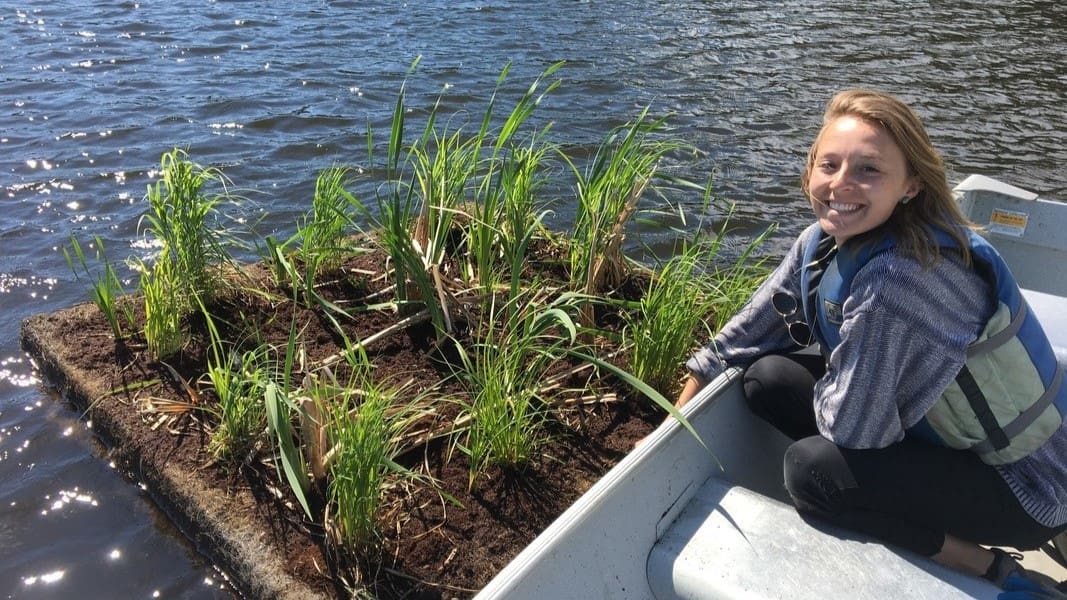
After the Summit, IISD took ownership of implementing the idea of a bioeconomy, an economy in which the basic building blocks for industry and the raw materials for energy come from plant-based renewable resources. For example, this video showcases a 2012 harvesting of the common wetland plant, cattail (Typha spp.). This pilot initiative proved that large-scale harvesting of this source of biomass is possible. In total, IISD harvested 850 cattail bales at Netley-Libau Marsh, in ditches along the Trans-Canada Highway and at Pelly's Lake in the LaSalle Redboine Conservation District. The resulting bales removed roughly 900 kilograms of phosphorus, equivalent to the amount of phosphorus in 3,300 bags of lawn-starting fertilizer. The harvesting also offset roughly 630 tonnes of carbon, equivalent to the average annual greenhouse gas emissions from about 120 cars.
Water is essential for life on earth—yet it is a threatened and under-valued resource. The two greatest obstacles to improved water management are financial and institutional. The water sector requires innovative use of financial and investment instruments that reinforce local and regional integrated water resources management and restore natural capital.
IISD's Water Innovation Centre (WIC) responds to this need. IISD combines five years of experience on natural capital and ecosystem service research with 20 years of institutional expertise on policy instruments for sustainable development. They bring this experience to the water sector through the Water Innovation Centre.
IISD believes that although solving the world's water crisis will not occur by simply commodifying water, economics does play an important role. Properly valuing our natural capital, such as watershed integrity and the wetlands that purify water and provide flood and drought protection, is a crucially important water policy direction. The Water Innovation Centre brings this perspective to our flagship project, Strategic Management of the Lake Winnipeg Basin, embracing financial, institutional and technological innovation. Our work will benefit from best practices around the world and will provide analysis and solutions applicable to water management in other water-stressed regions of the world.
Lake Winnipeg Basin Summit (2010)
On November 30th and December 1st, 2010, approximately 150 scientists, policy-makers, business leaders, civil society members and other stakeholders convened in Winnipeg for an intensive, two-day "Lake Winnipeg Basin Summit," with the goal to develop solutions for improved water quality that recognize environmental, social and economic values.
Presentations by International Institute for Sustainable Development (IISD) staff and guest speakers informed lengthy facilitated discussions by attendees. Topics covered included the history of the basin, the current condition of the lake, case studies from around the world and an illustrative example of a potential "Watershed of the Future" for Manitoba.
Event outcomes included consensus on the need for partnership and collaboration, and a call for IISD to chair a stakeholder group tasked with producing a five-year action plan.
Lake Winnipeg Basin
Lake Winnipeg is the tenth largest freshwater lake in the world and faces a multitude of environmental challenges. Nutrient loads on Lake Winnipeg have apparently exceeded ecological thresholds and Lake Winnipeg is now deservedly the subject of concerted scientific and institutional attention. The Water Innovation Centre will work in the areas of integrated land and water management by coordinated existing and proposed work towards basin-wide solutions.
Water in the World
Of all the resources required for sustaining ecosystems and the services they provide for human health and well-being, water is arguably the most important. The challenge of providing clean and reliable water supplies is exacerbated by the predicted impacts of climate change on the future supply, quality and reliability of water. The Water Innovation Centre (WIC) promotes IWRM for the realization of multiple policy objectives related to social, economic and environmental development.