


The Nature-Based Infrastructure Global Resource Centre
Impact Report 2024
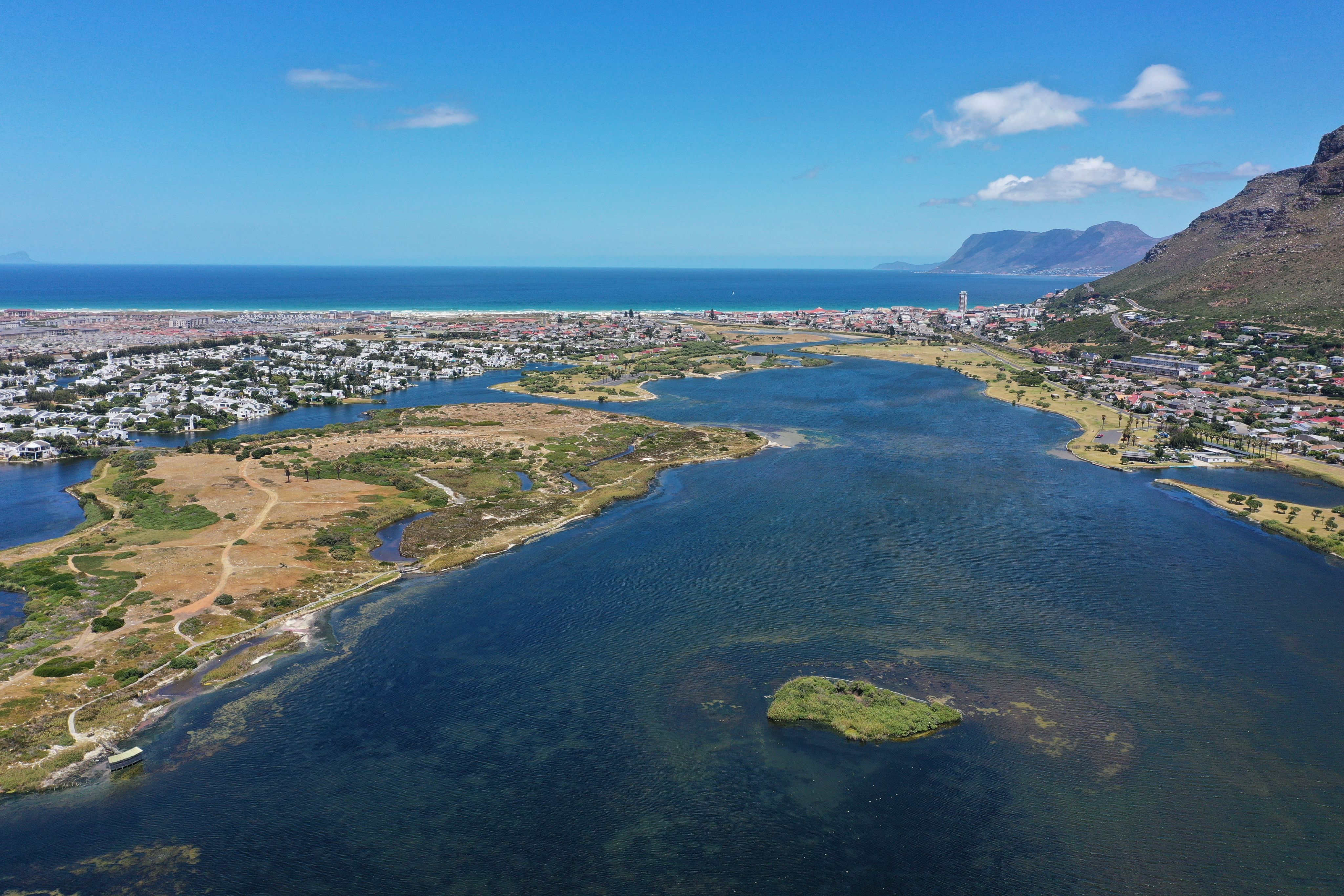

"For us, it was a pleasure to work with the IISD team assessing the costs and benefits of an intervention on urban flood risk management planned for the city of San Salvador de Jujuy in Argentina. Applying the SAVi instrument has helped us to increase our knowledge on how systems thinking can be applied to a cost-benefit analysis and capture as many co-benefits and co-costs on nature-based and hybrid infrastructure as possible. This experience further improves our capability to prepare projects and find more effective balances between green and grey."
Klaas de Groot, Senior Water Resources Management Specialist, World Bank

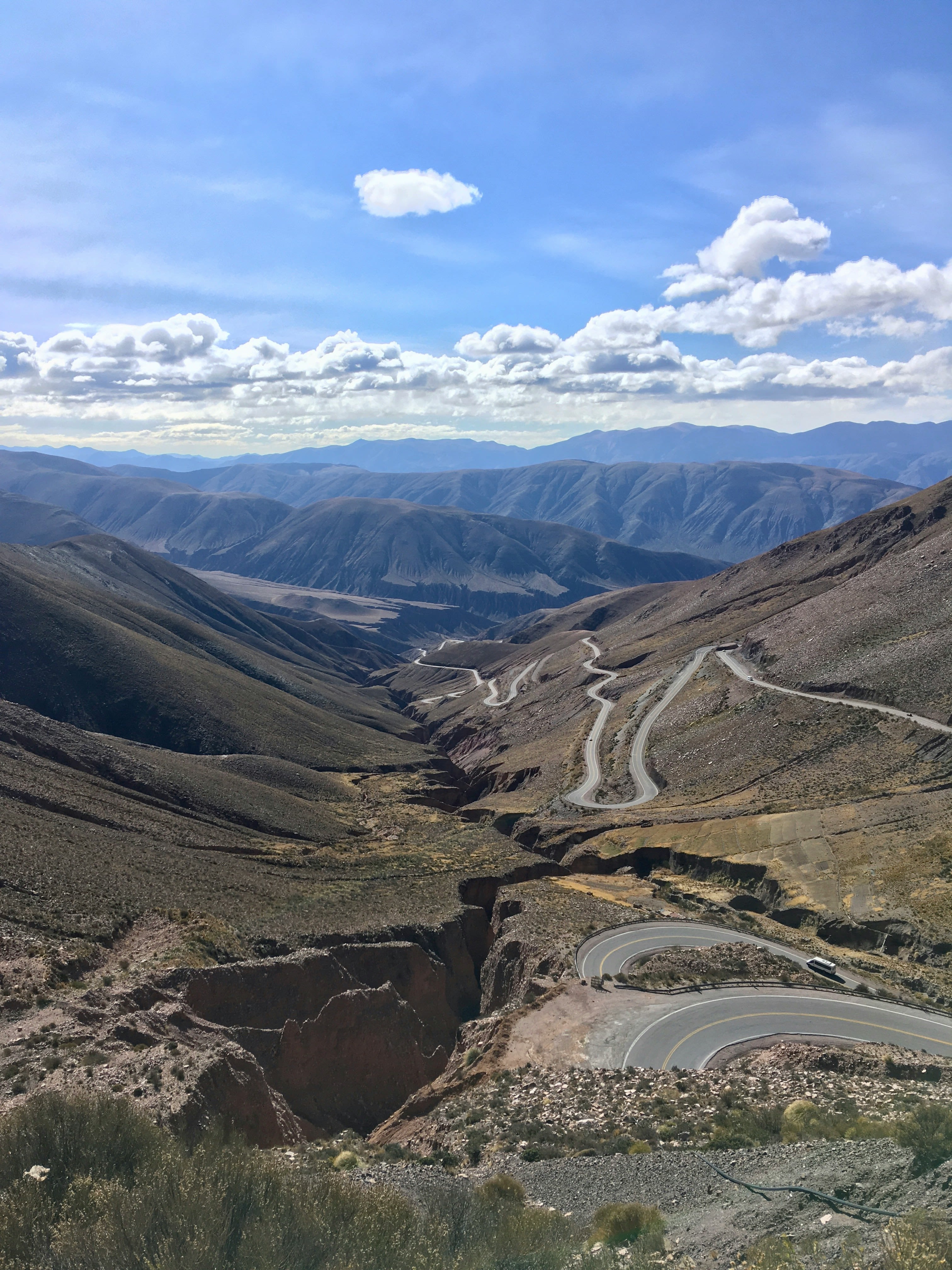
The Centre has supported Nature-Based Infrastructure (NBI) projects in 25 countries.
We worked with local partners to develop economic and financial assessments of NBI projects in a range of different ecosystems, including:
Forests
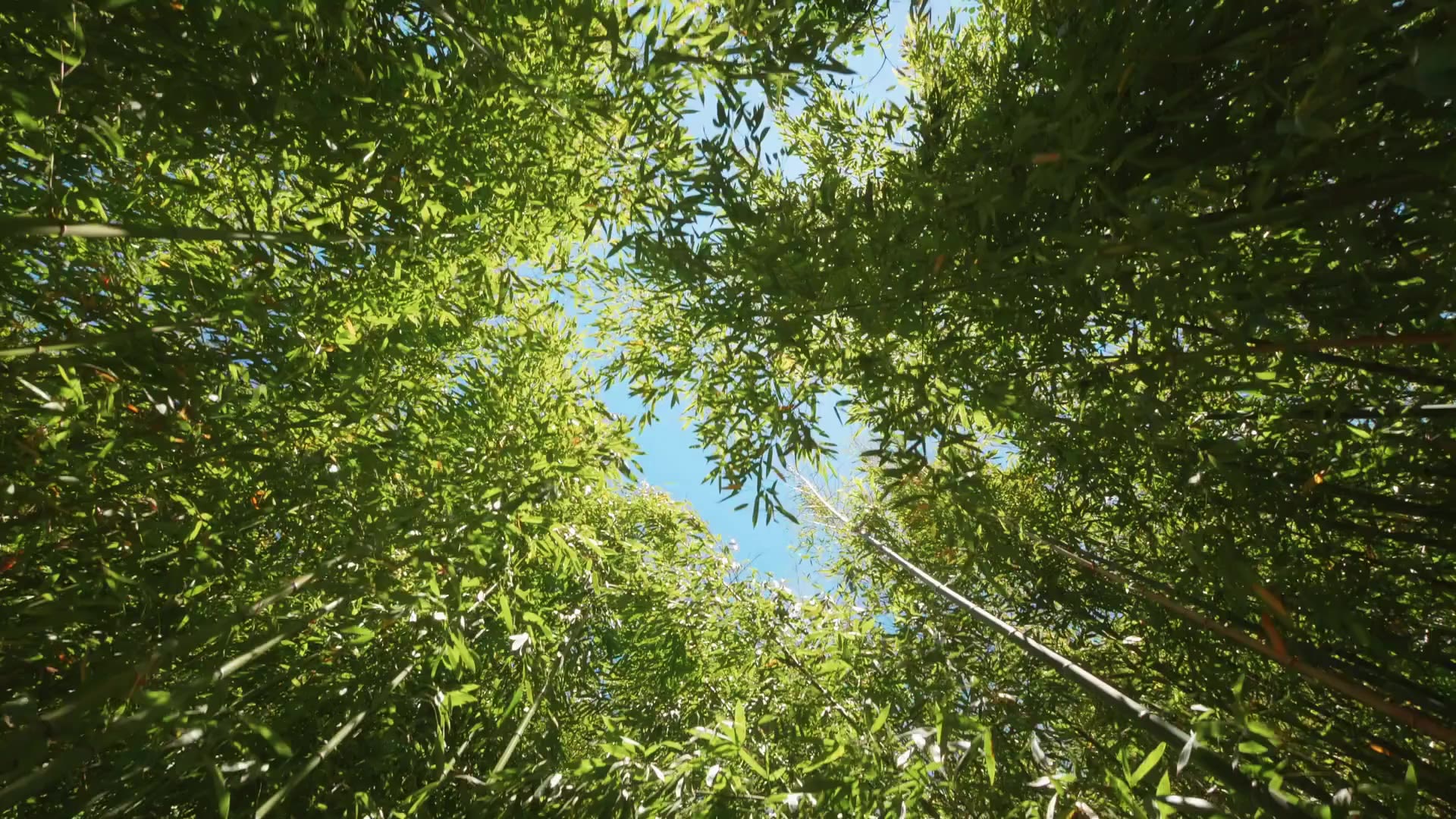

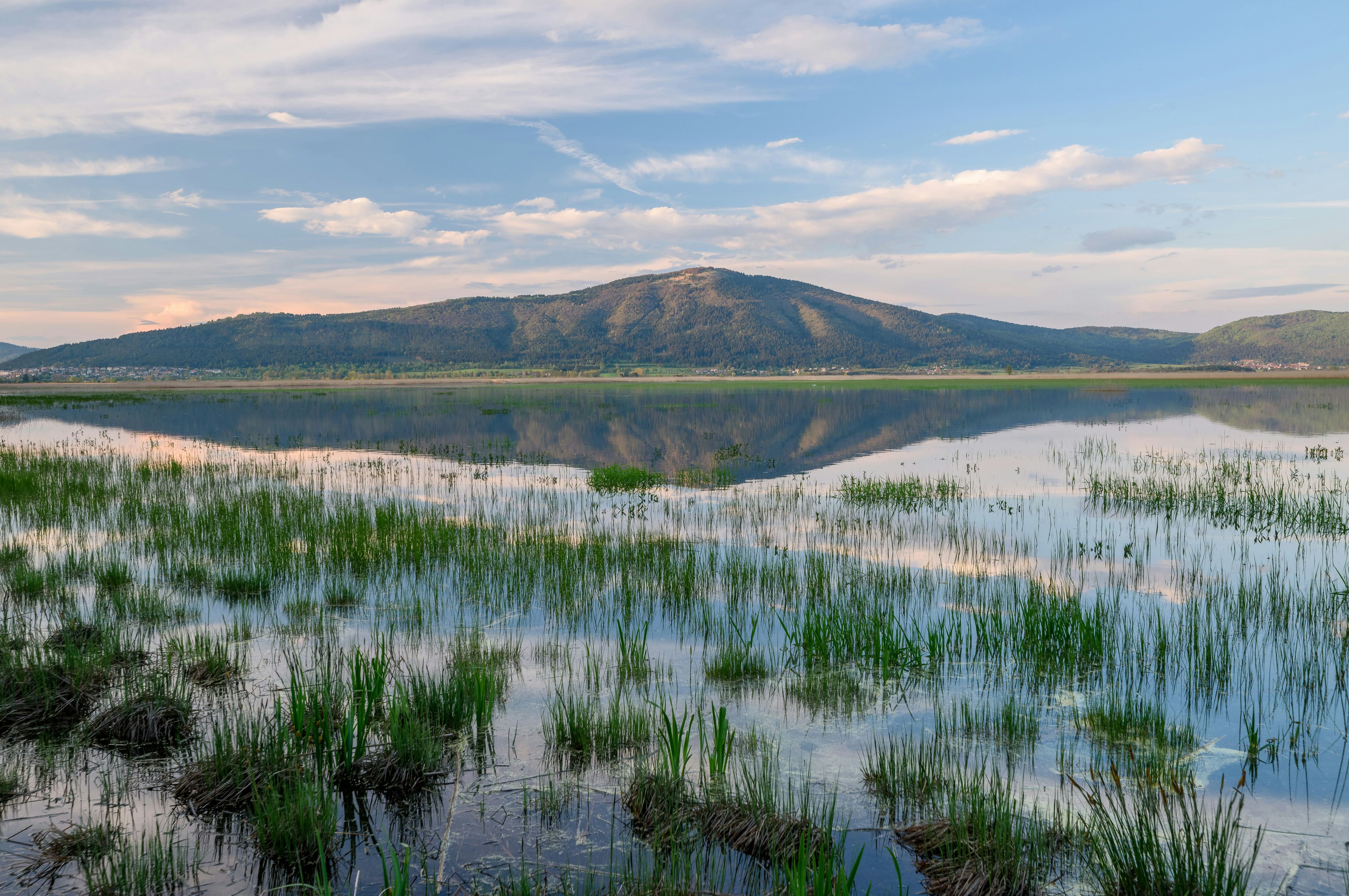
Wetlands
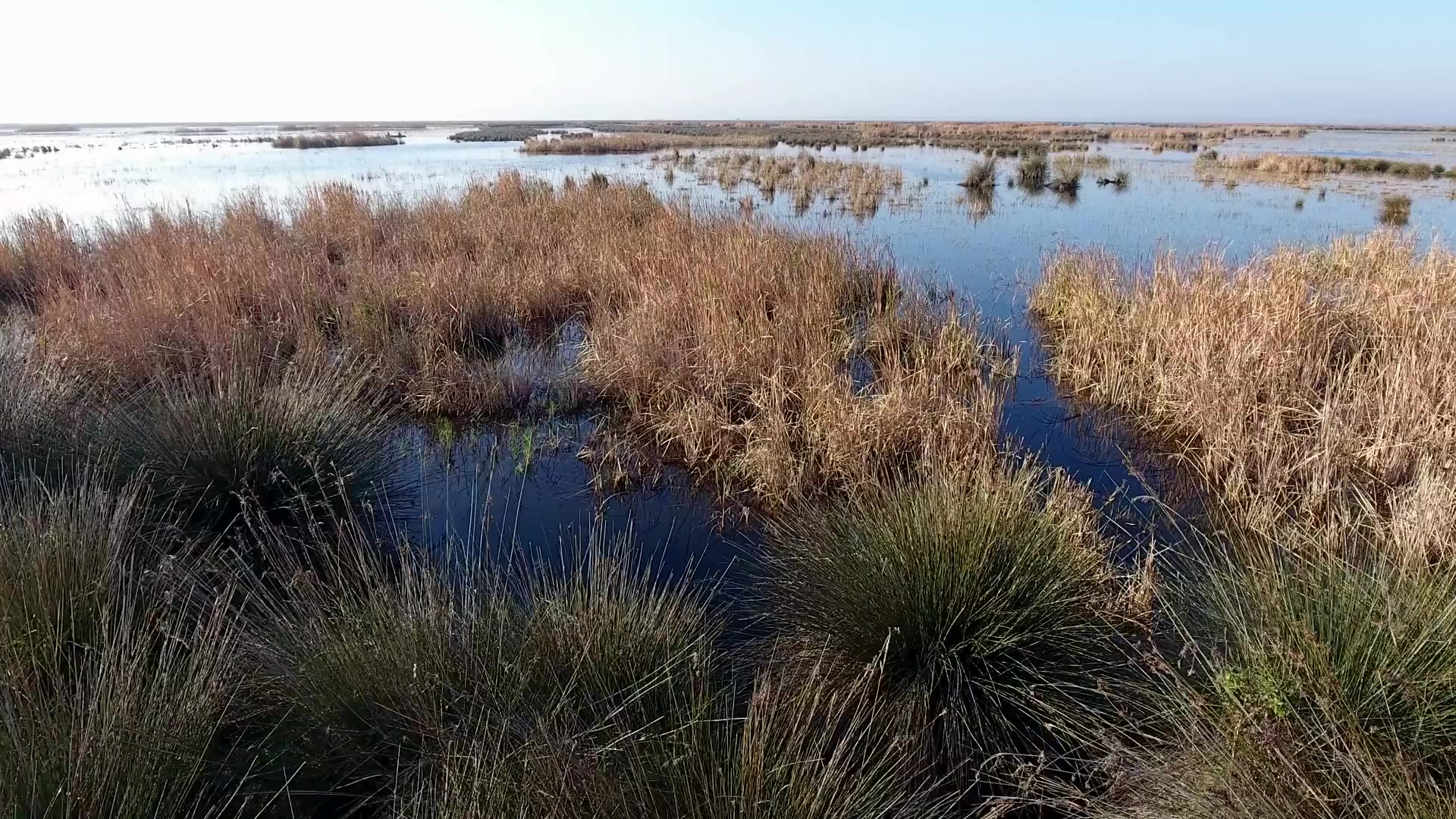

Rivers


Urban environments
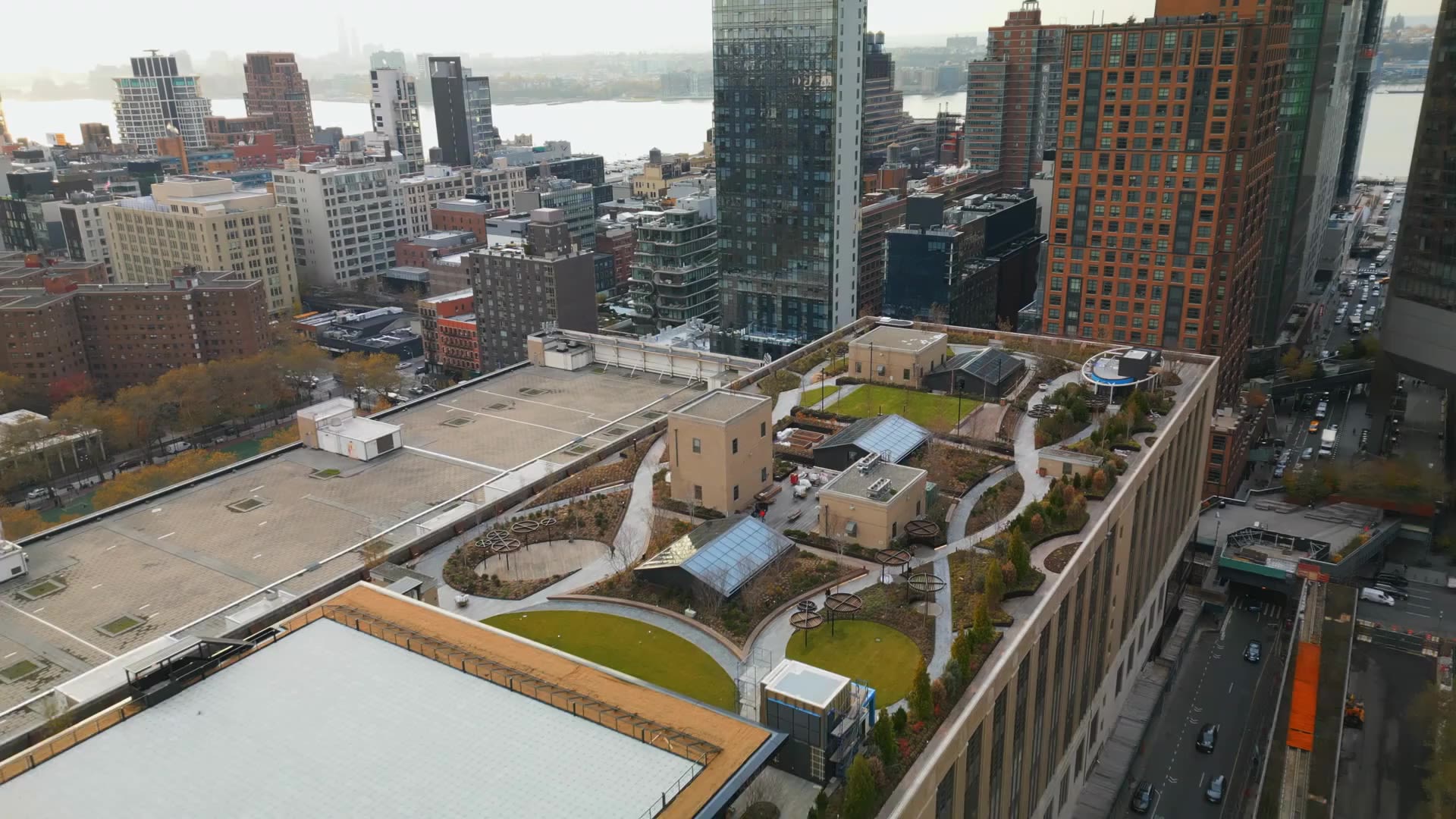

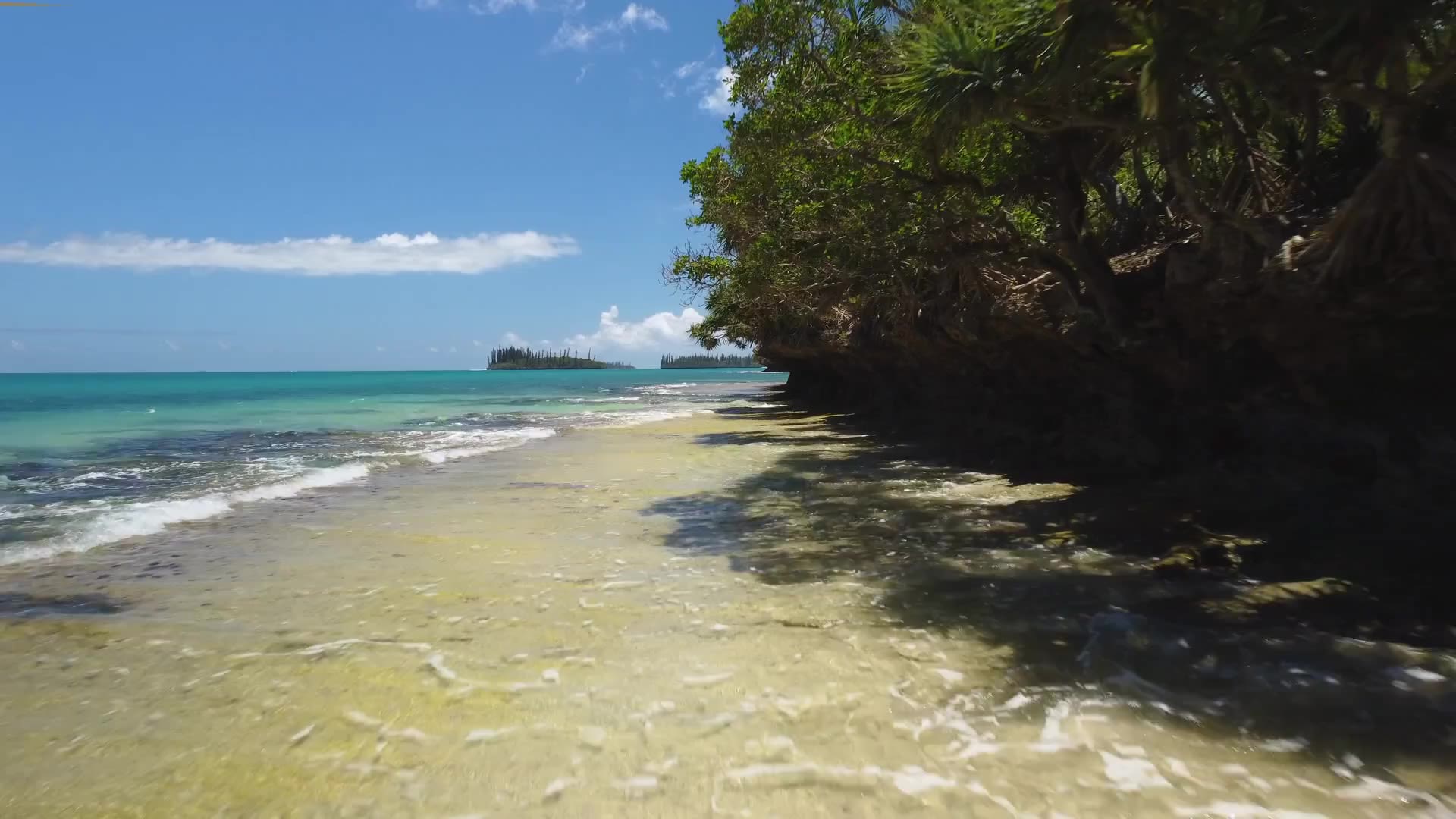
Coasts

The assessments are used to create a comprehensive cost-benefit analysis of the NBI interventions, combining robust climate data, systems thinking, spatial analysis, and economic and financial modelling to make the investment case for NBI projects.
Our unique methodology relies on the interrelated features of simulation, valuation, and customization. Through working with our stakeholders, we build a better and mutual understanding of the value of nature for providing resilient infrastructure services.
In 2024 we assessed a variety of NBI projects around the world:
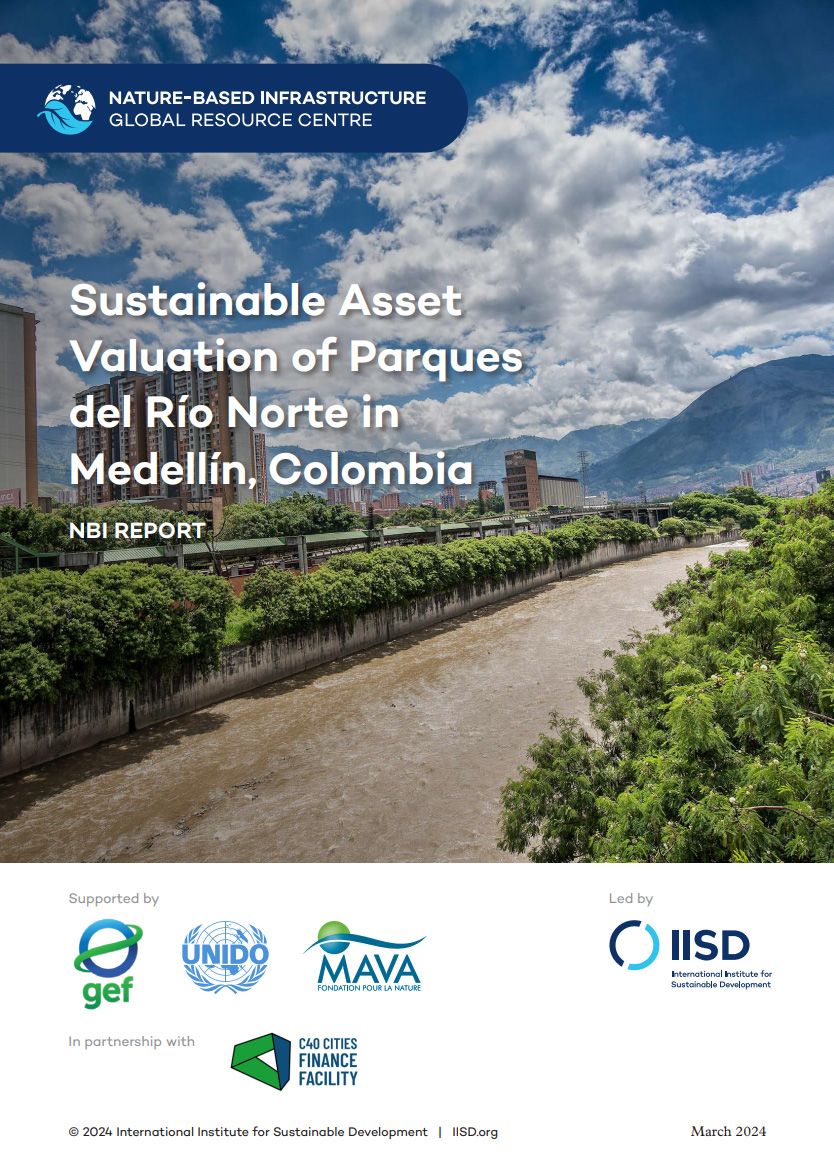
Urban Green Space in Medellín, Colombia

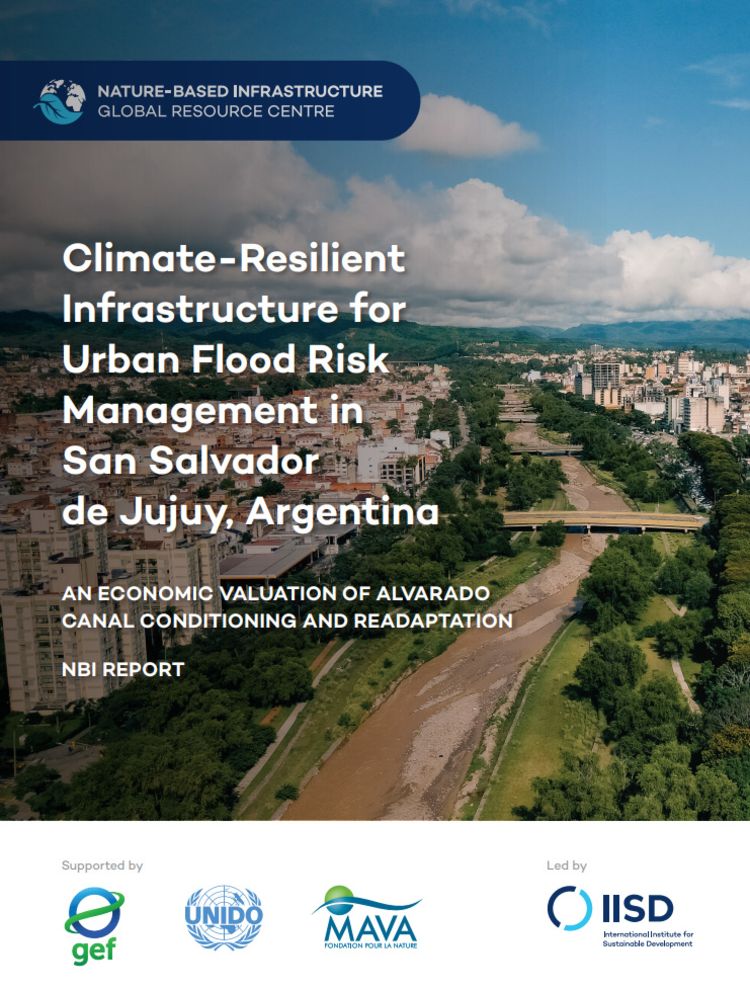
Restoring the Alvarado Canal in San Salvador de Jujuy, Argentina

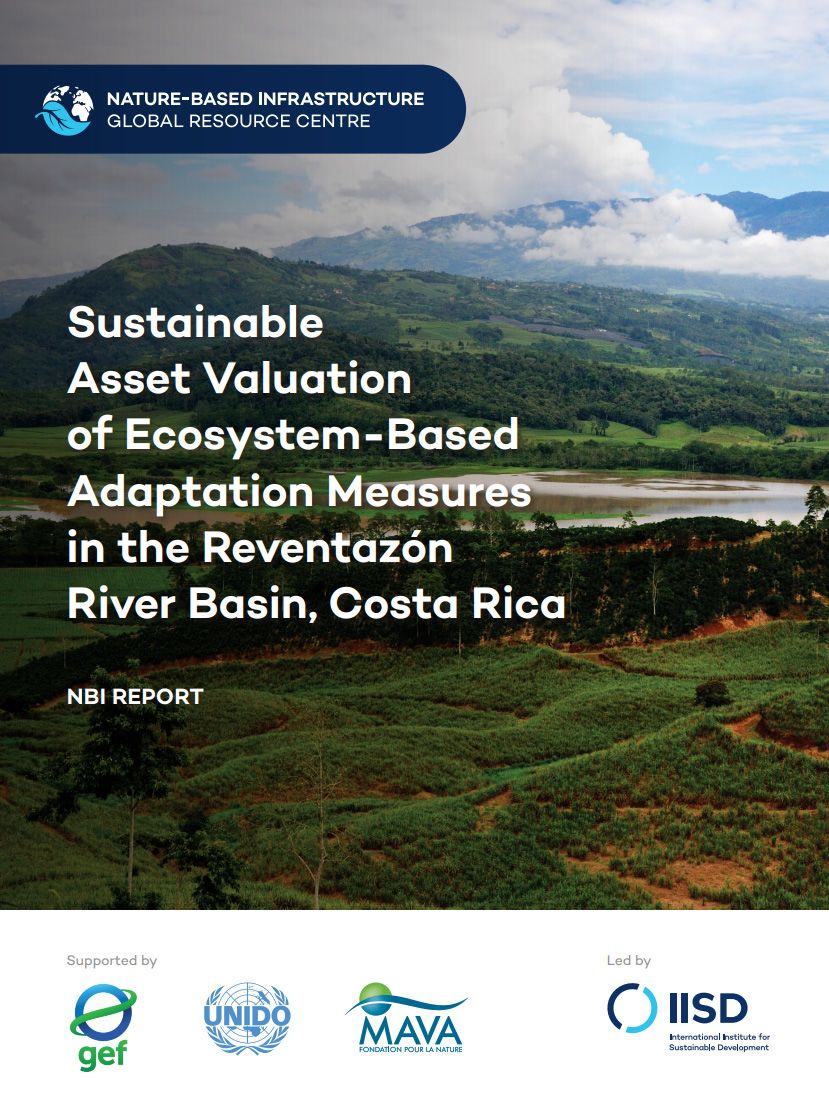
Ecosystem-Based Adaptation in the Reventazón River Basin, Costa Rica

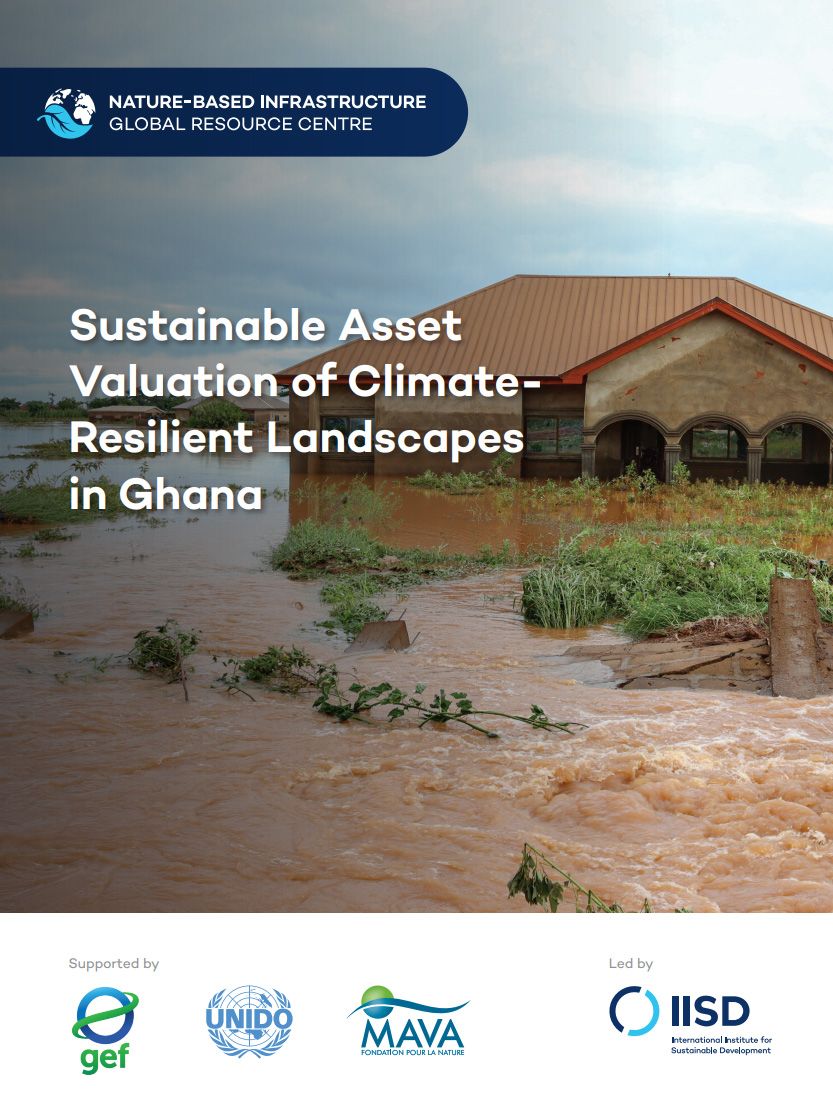
Climate-Resilient Landscapes in Ghana

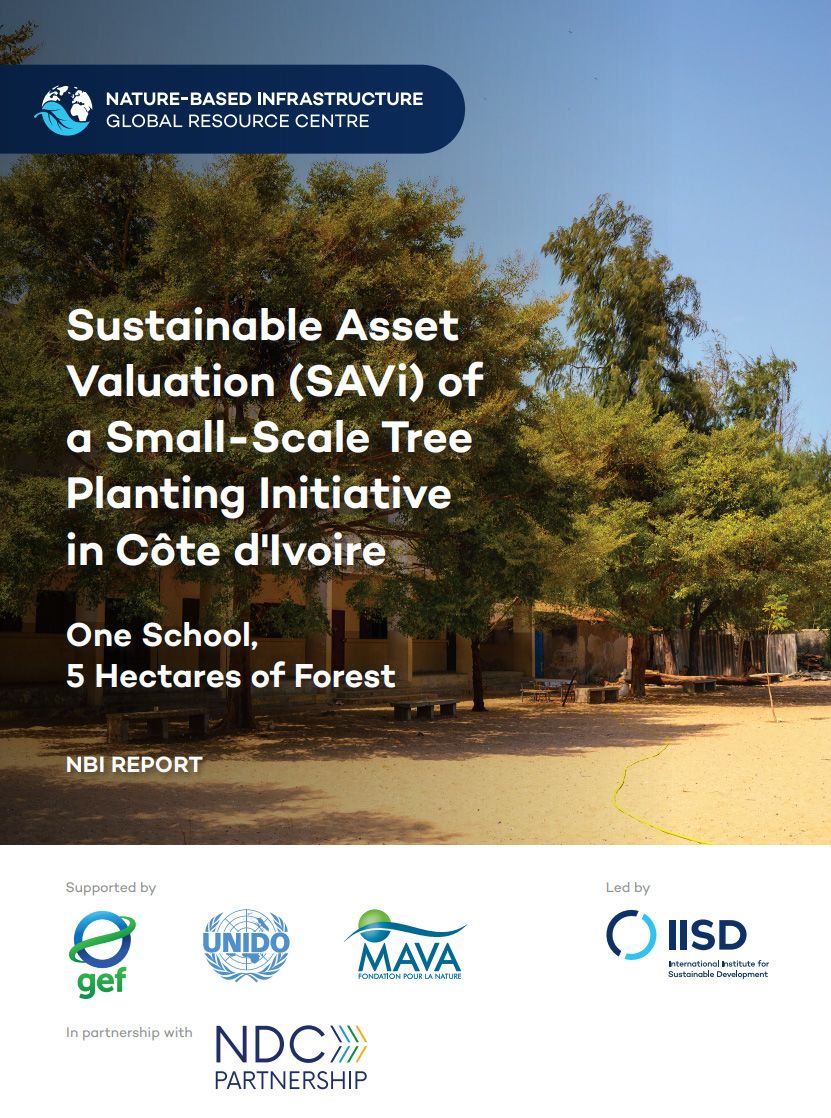
Tree planting in Côte d’Ivoire

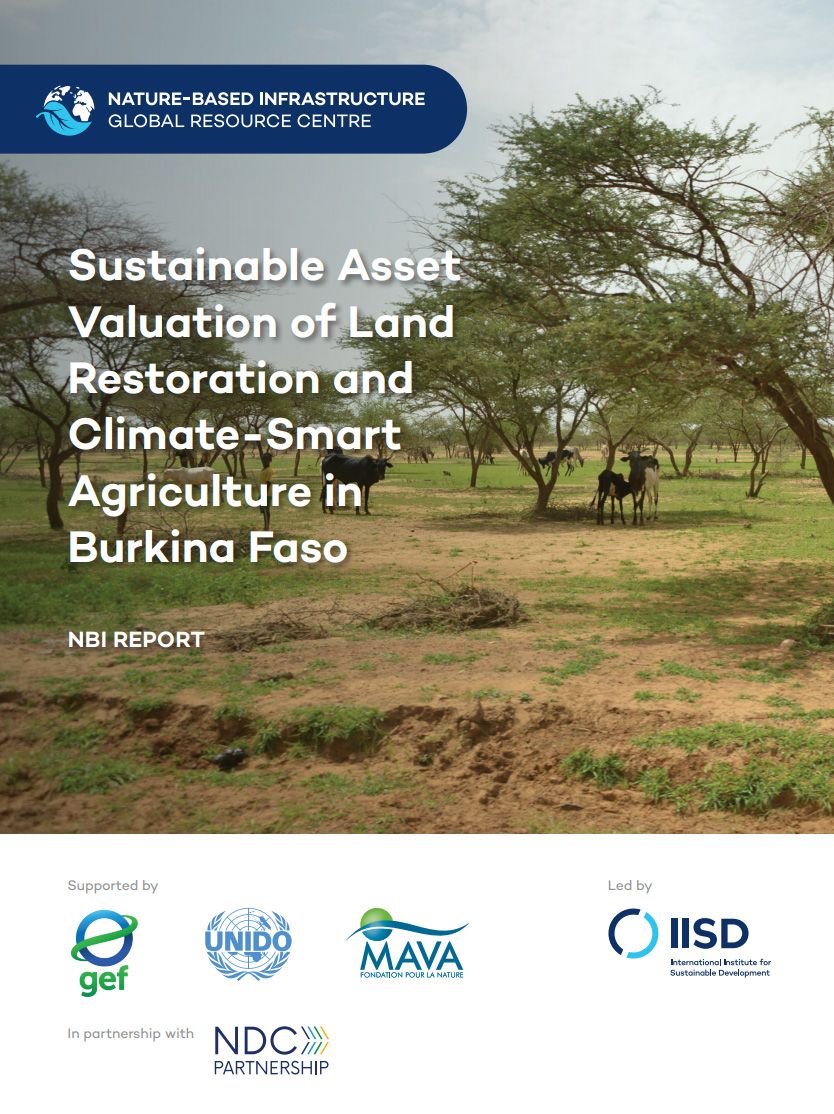
Land Restoration and Climate-Smart Agriculture in Burkina Faso

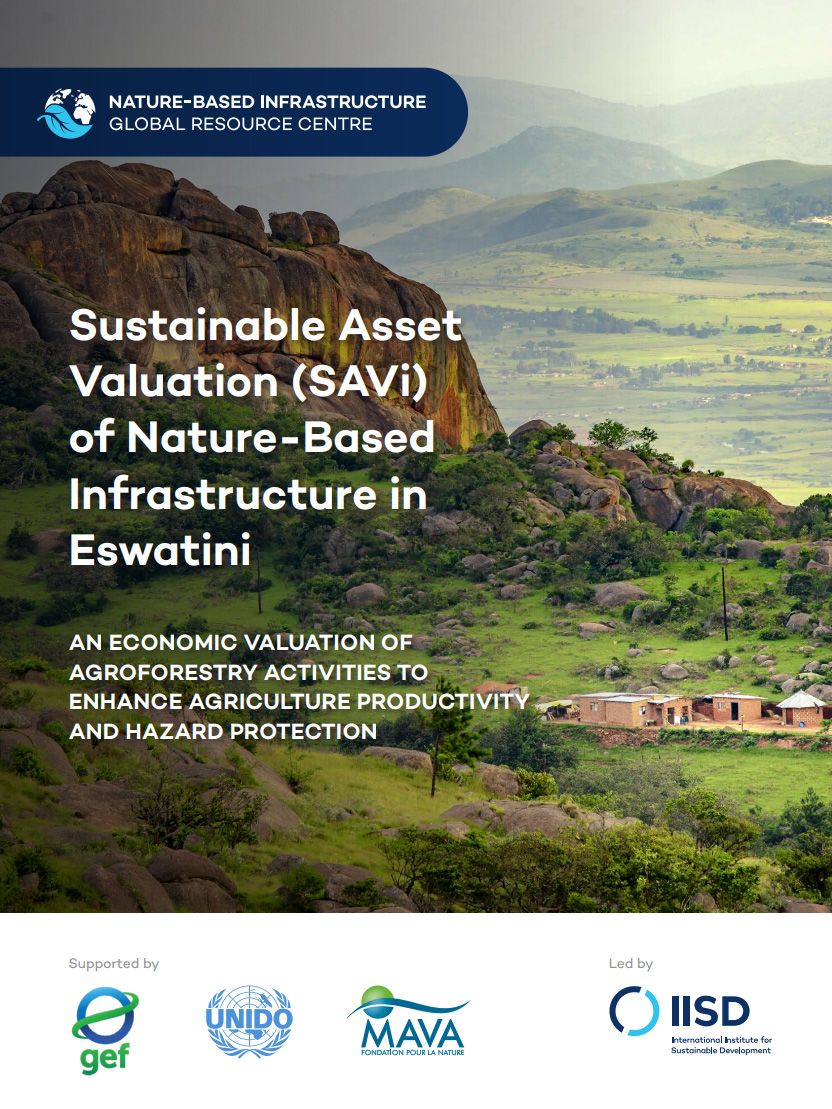
Agroforestry in Eswatini

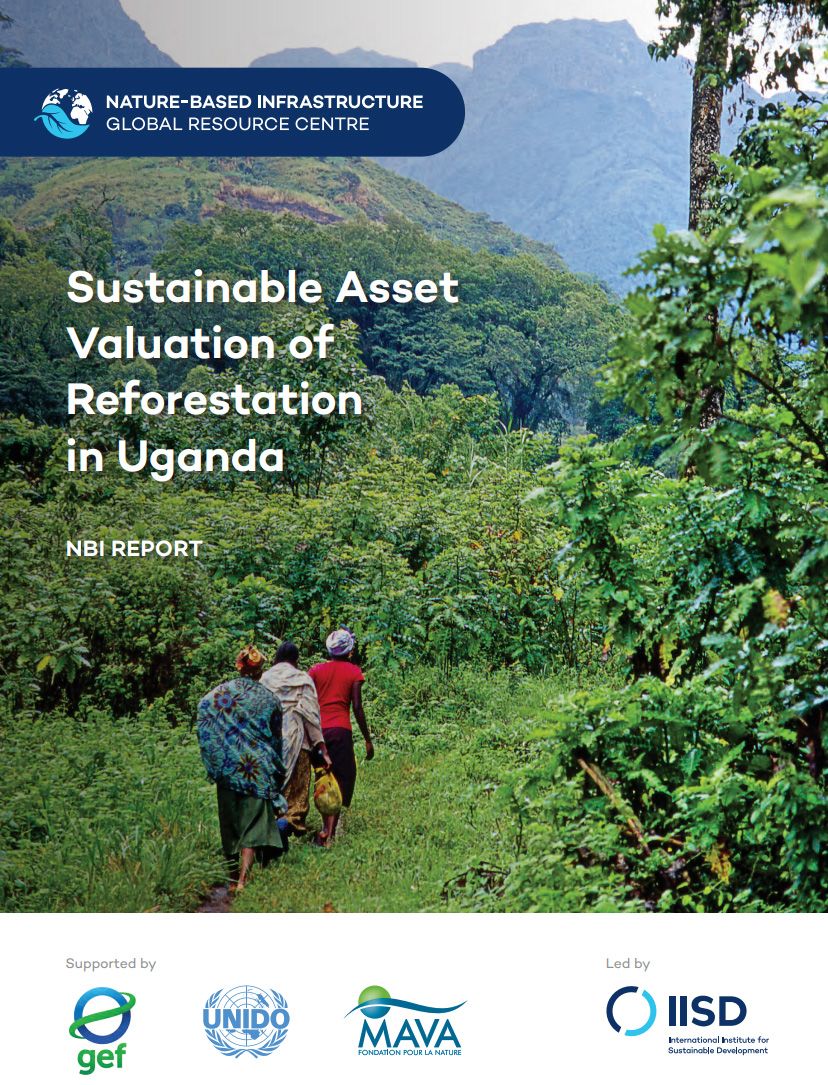
Reforestation in Kasese, Uganda

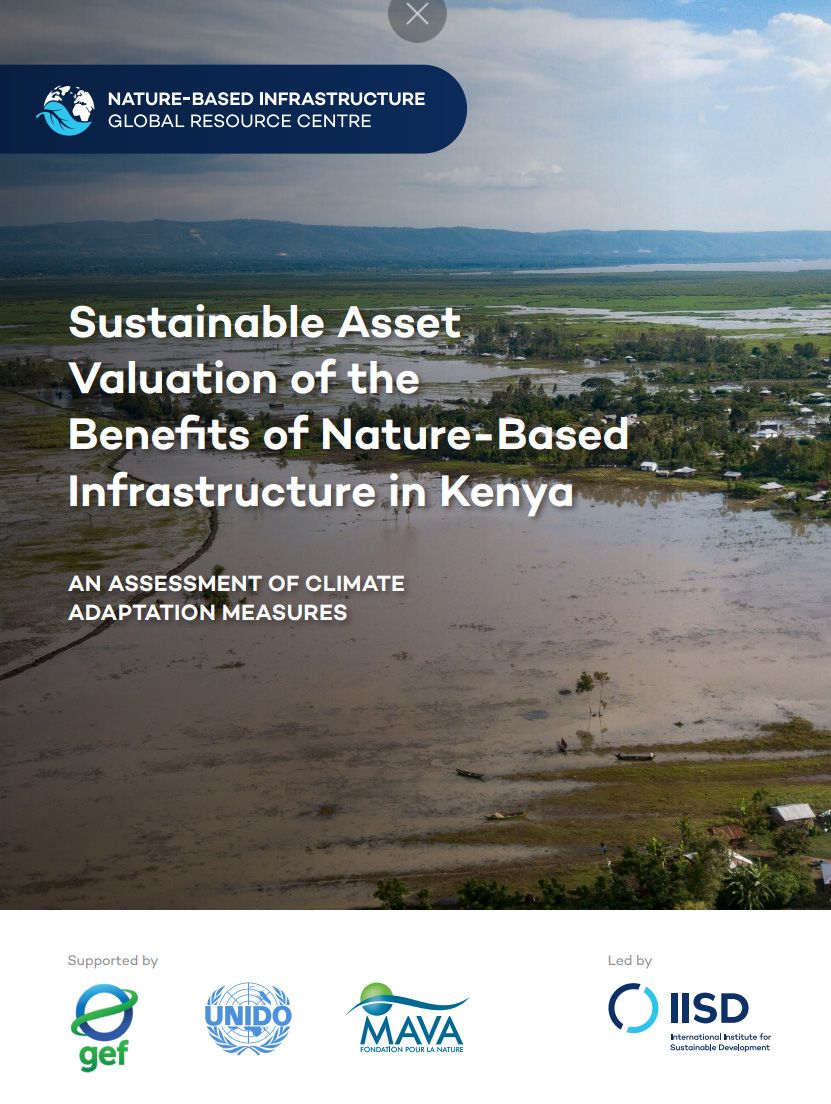
NBI to Combat Water Scarcity in Kenya

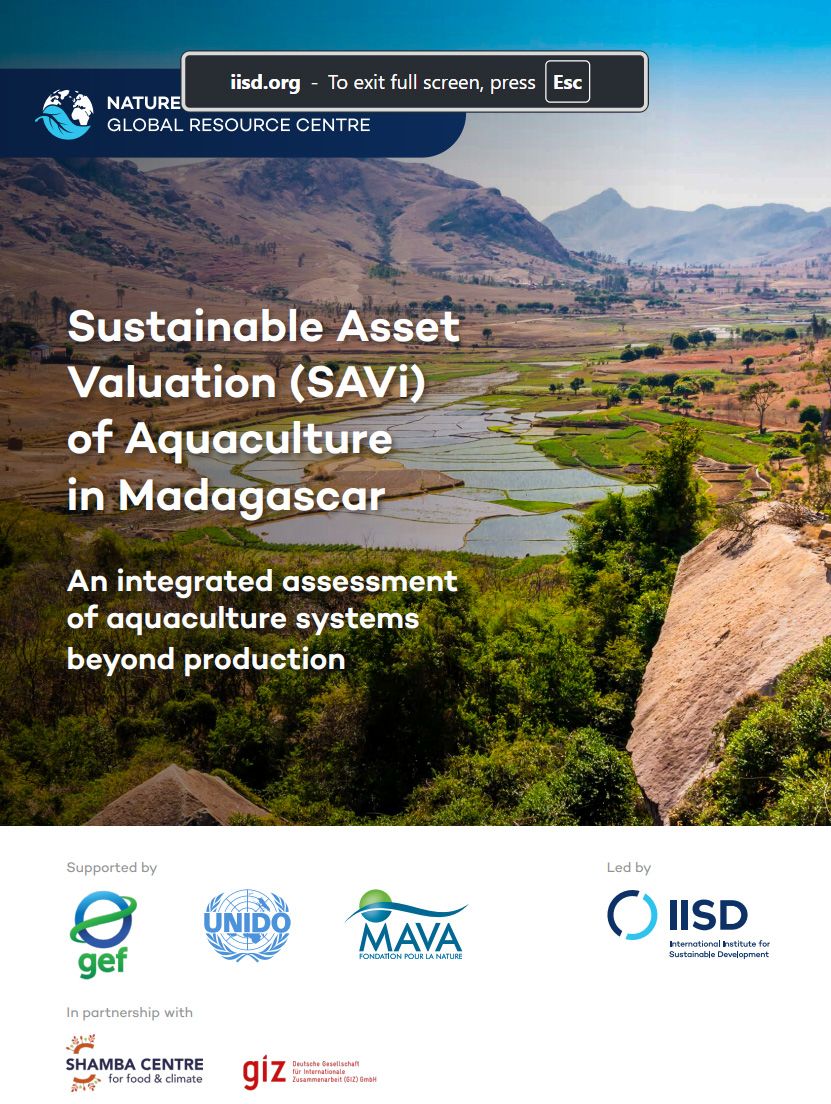
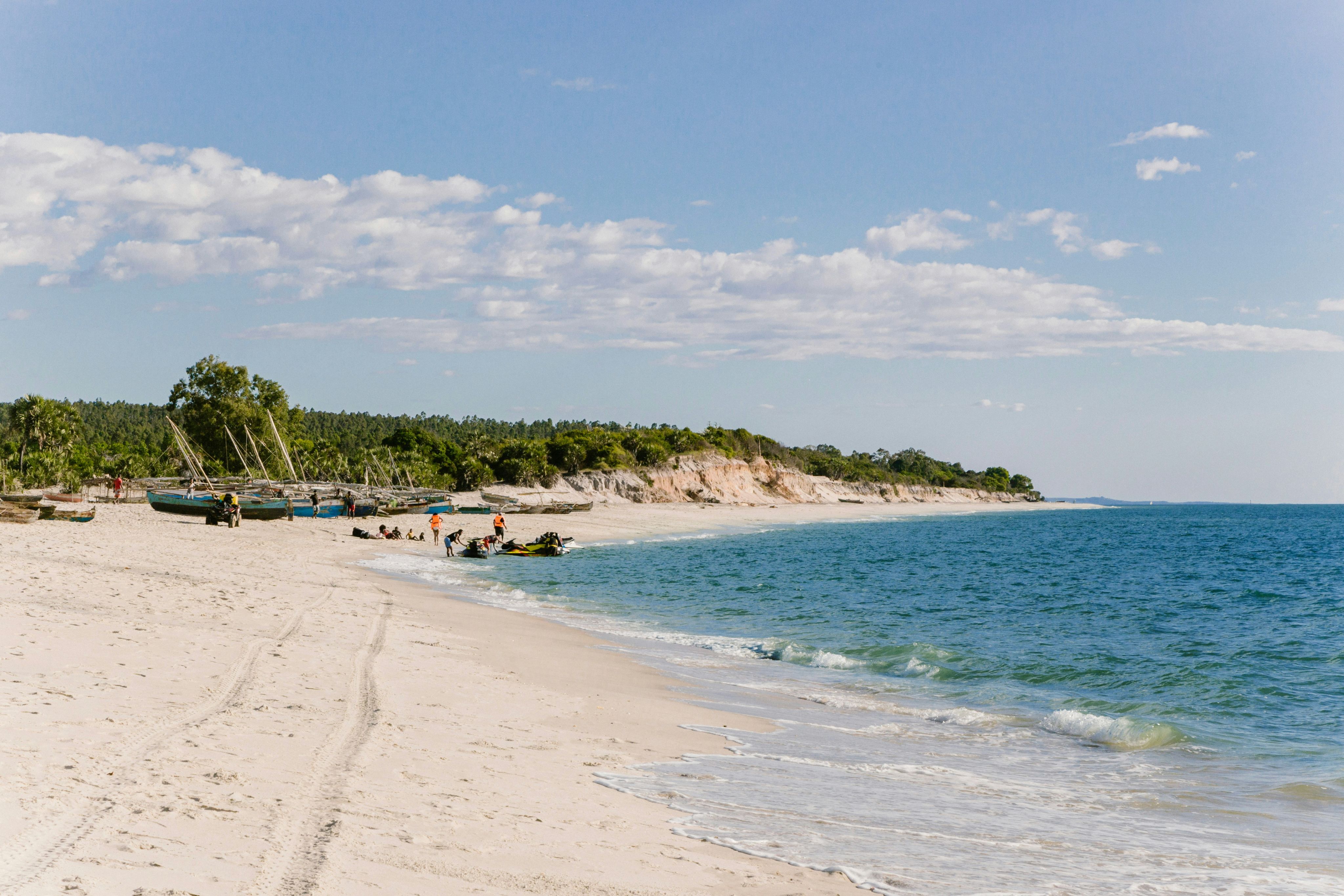
Aquaculture in Madagascar
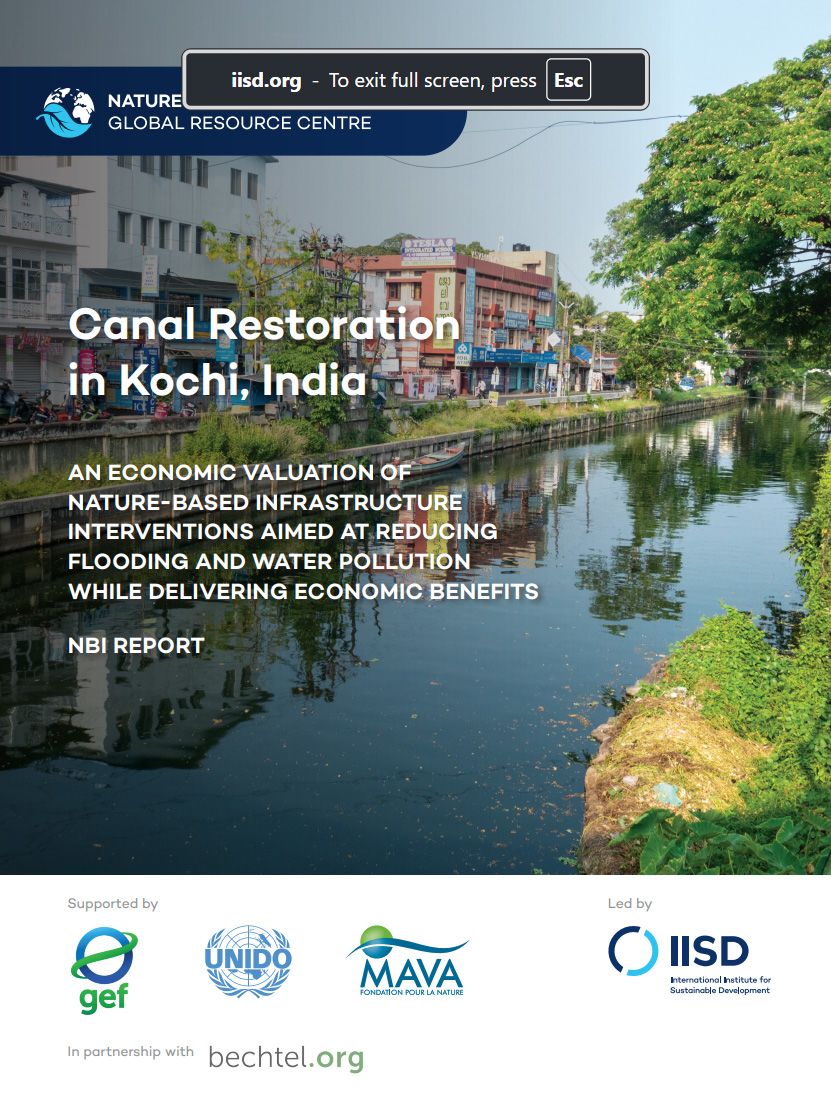
Canal Restoration in Kochi, India
And many more are underway
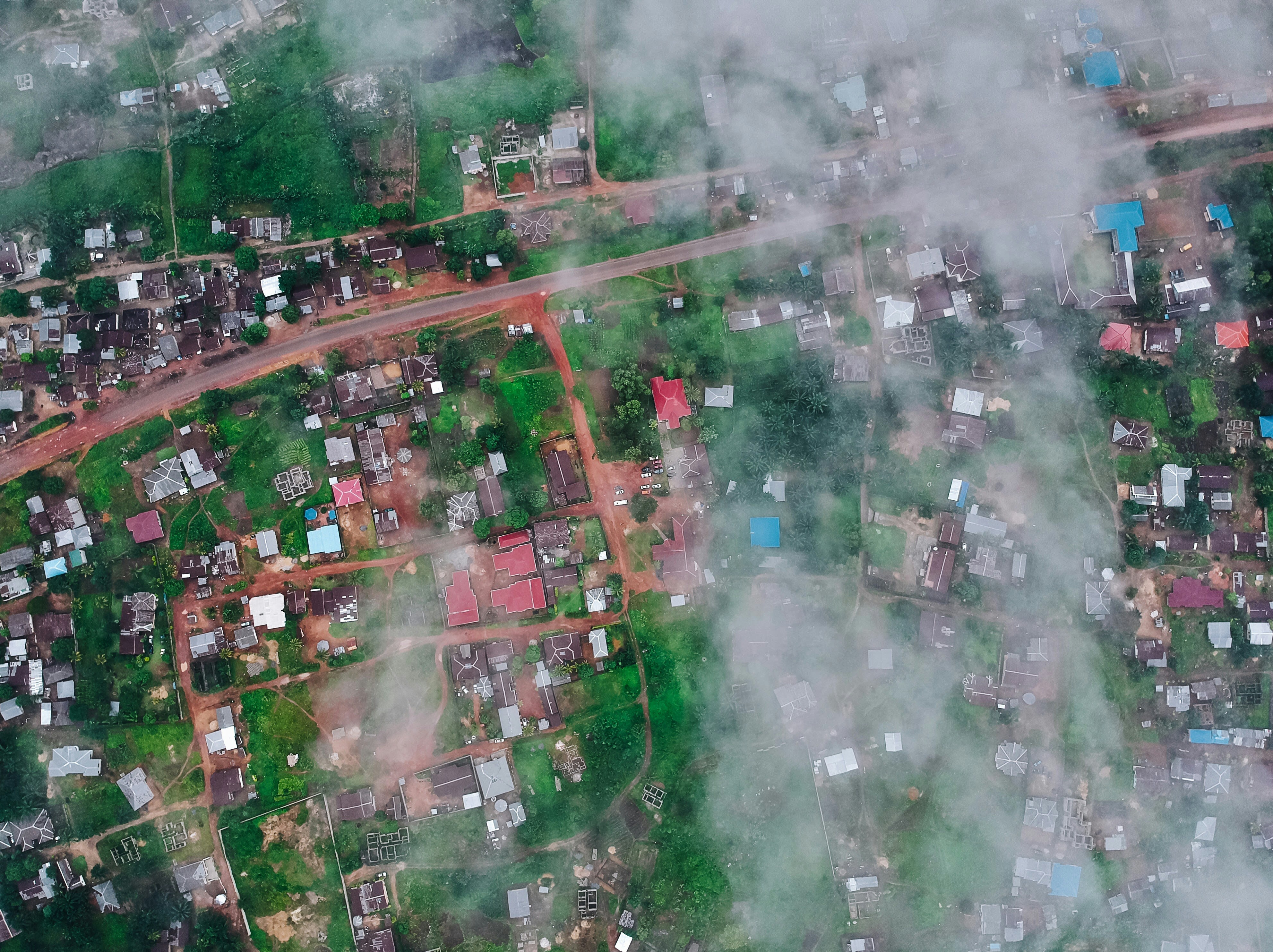
"The SAVi assessment was immensely helpful—it not only provided a robust natural capital valuation, but also served as a baseline and pre-feasibility study that enabled us to formally engage with the carbon market. It gave legitimacy to the Freetown The Treetown initiative and supported our entry into the market through a carbon project developer, First Climate.
The assessment offered essential climate projections and demonstrated the carbon potential of our work. This has positioned us to explore new forms of investment, ensuring that the benefits of tree planting and ecosystem restoration reach the communities most affected.
Our long-term ambition is to build a self-financing model to sustain and scale these activities, starting with Freetown and eventually expanding to other cities in Sierra Leone such as Bo and Makeni."
Eric Hubbard, Africa Regional Focal Point at the Urban Biodiversity Hub, co-leader of the NATURA Network Africa Regional Team for the Global Urban NBS Roadmap

We continued to establish NBI as a pivotal solution to climate adaptation, biodiversity protection, and sustainable infrastructure by:
- increasing knowledge on how NBI performs through our customized valuations;
- providing access to data on the performance of NBI through our online database;
- identifying and communicating policy recommendations to scale up investments in NBI;
- connecting and building partnerships between project proponents, local stakeholders, and investors; and
- providing professional training through the NBI Academy on the application of economic and financial analysis to support project development.

In 2024, our NBI Academy further expanded its impact. The e-course and interactive online program equip planners, policy-makers, academics, and investors with the knowledge and tools to assess the benefits and economic performance of NBI.
Our annual 5-Week Live Program attracted more participants than ever, with 780 people attending the interactive sessions on Zoom. The program achieved a satisfaction rating of 98%. Guest speakers from the World Bank, United Nations Environment, Bechtel, and Willis Towers Watson brought fresh perspectives and highlighted the importance of integrated valuations for scaling up NBI.
In total, more than 4,200 participants from 179 countries are registered for the NBI Academy.
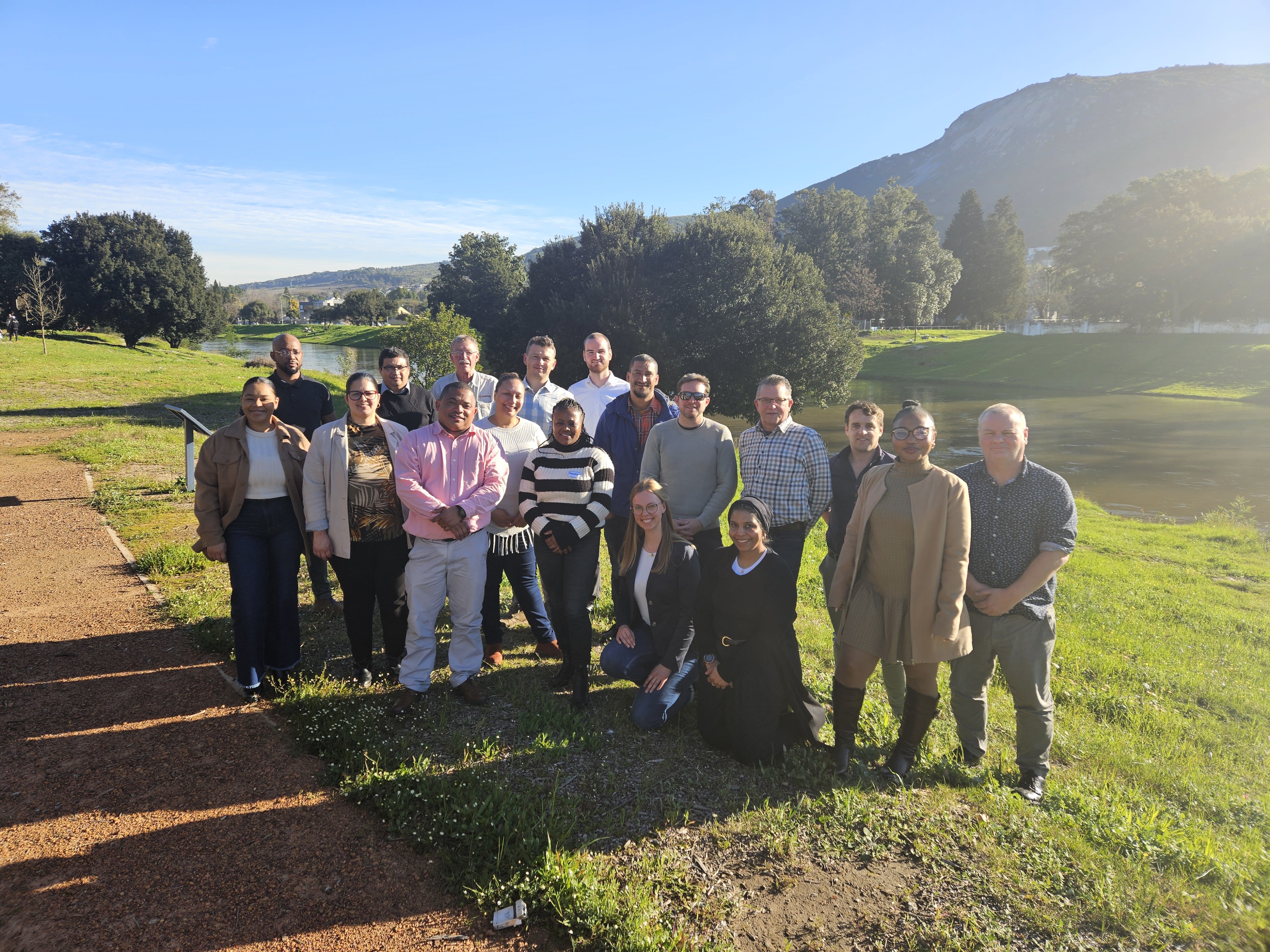
The NBI Academy team also delivered in-person training sessions in Colombia, South Africa, Senegal, Morocco, Rwanda, and Ethiopia.

"The 5-week live program provided me with insightful knowledge on how nature-based infrastructure solutions can enhance infrastructure resilience, which will greatly influence my future architectural designs."
Chantelle Sharayi Chikasa, Architect, Ministry of Infrastructure, Housing and Urban Development, Zambia

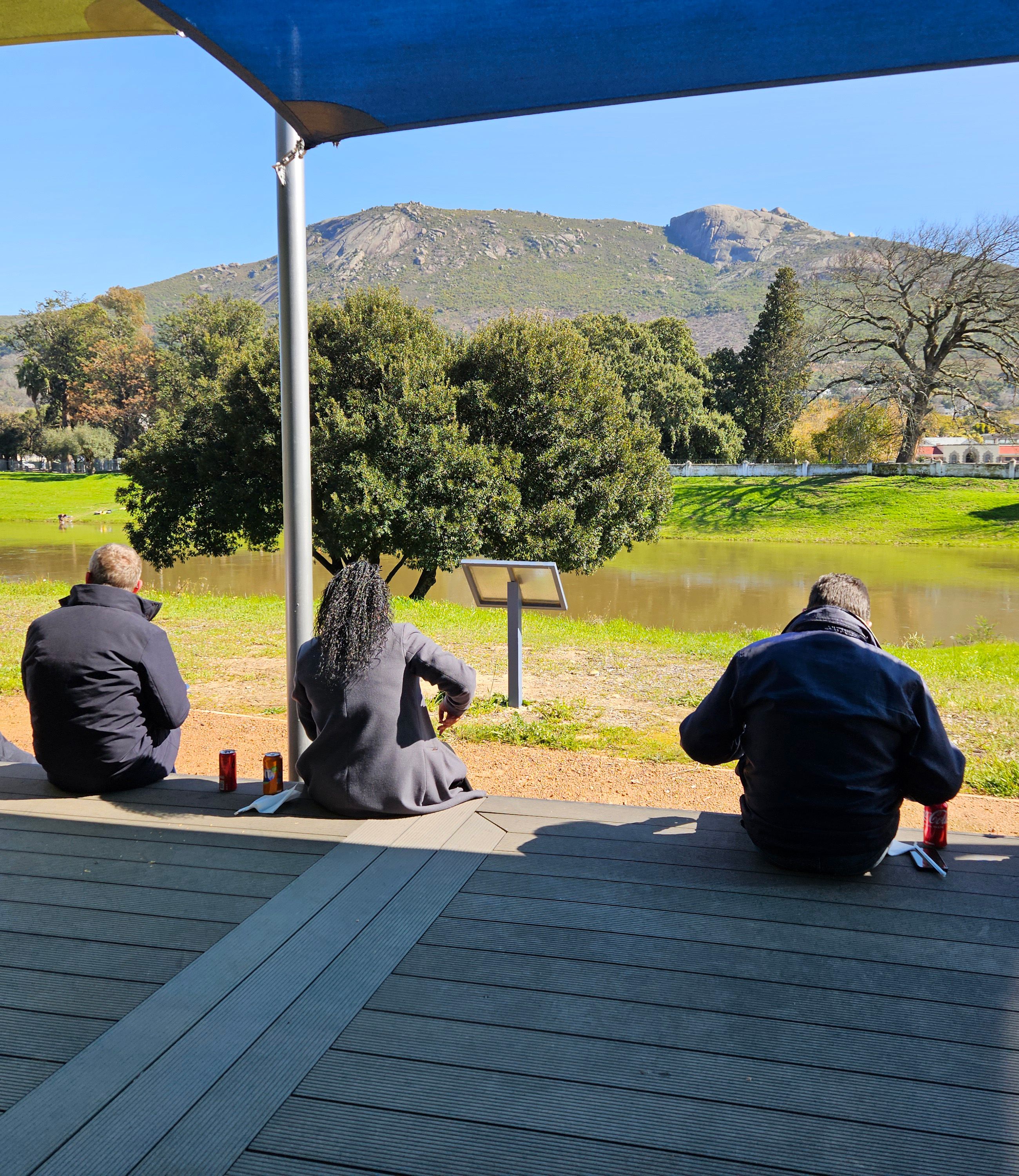
"This course is invaluable to anyone working with natural resources and projects relating to environmental management and conservation. It was an eye-opener for me as a local government official to see how nature can be valued and how we have a role to play in changing the status quo
I would recommend this course to all local, provincial, and national government officials, no matter their position or field of work."
Margaou Marthinussen, Environmental Officer at Drakenstein Municipality, South Africa

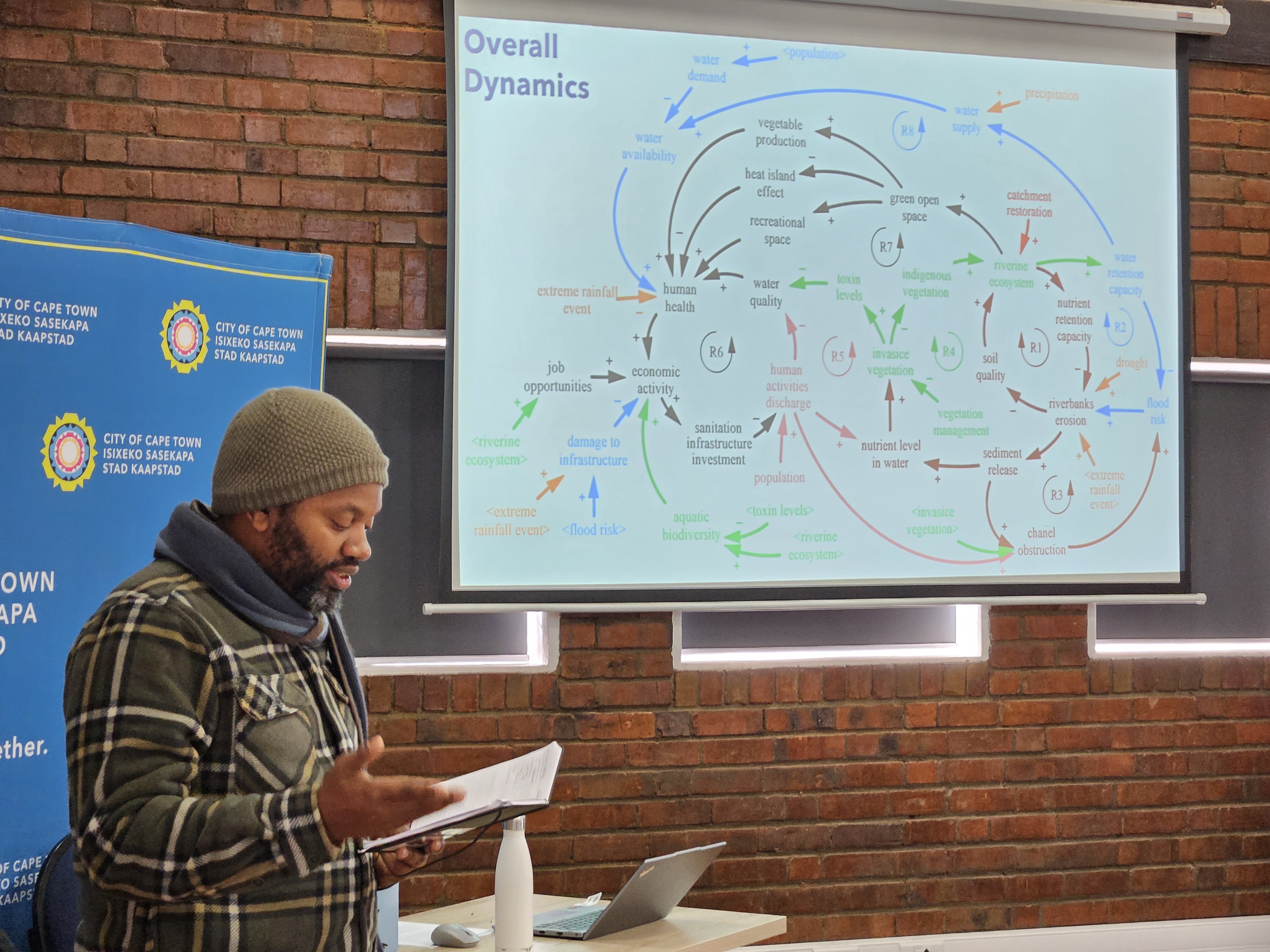
"I would highly recommend NBI training through IISD. The program was informative, engaging and of exceptional quality. It has made me an informed and passionate advocate for NBI."
Tanya Wragg-Morris, Disaster Risk Reduction Analyst, Government of BC, Canada

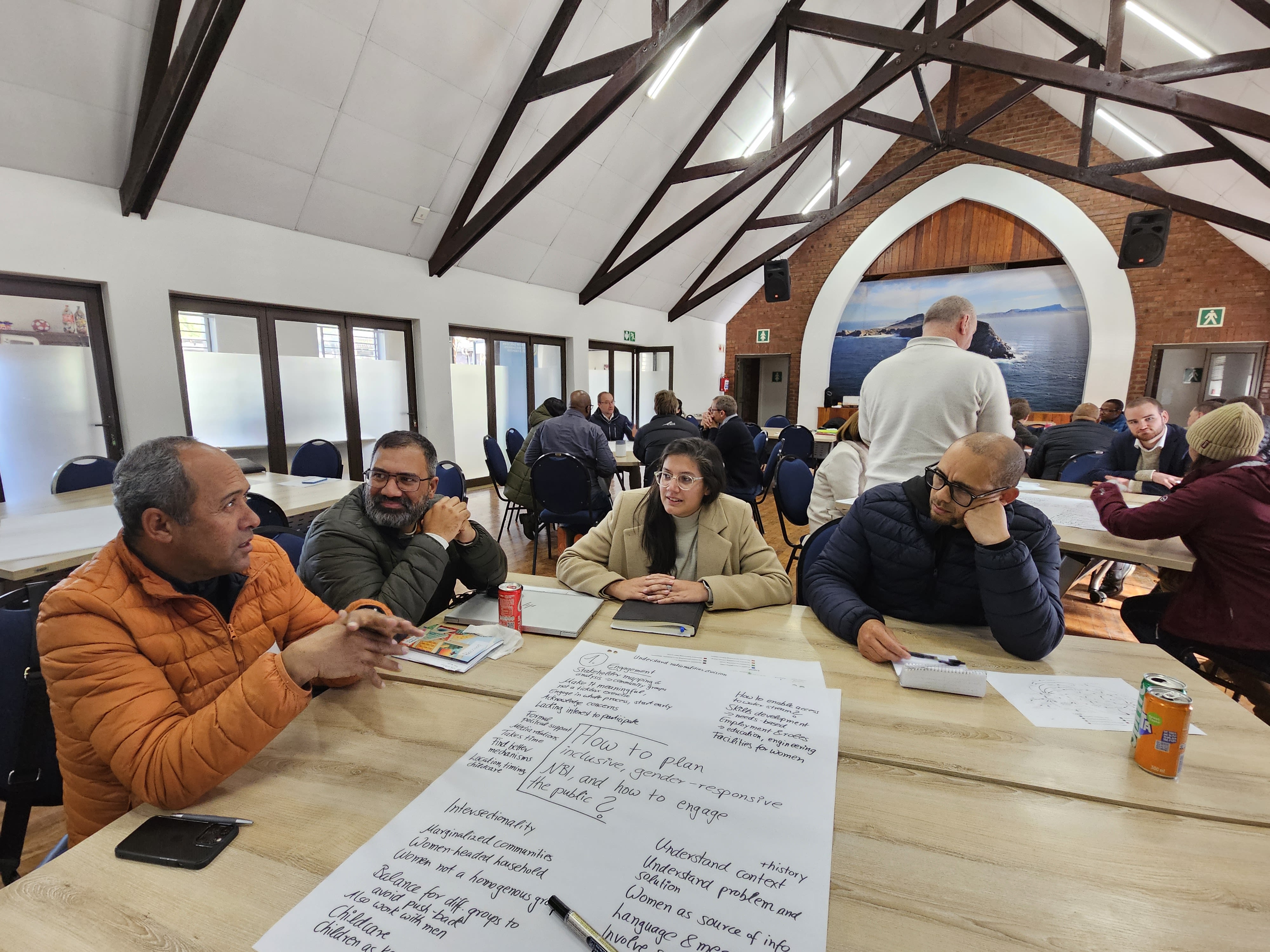
We contributed to international discussions at high-profile events.

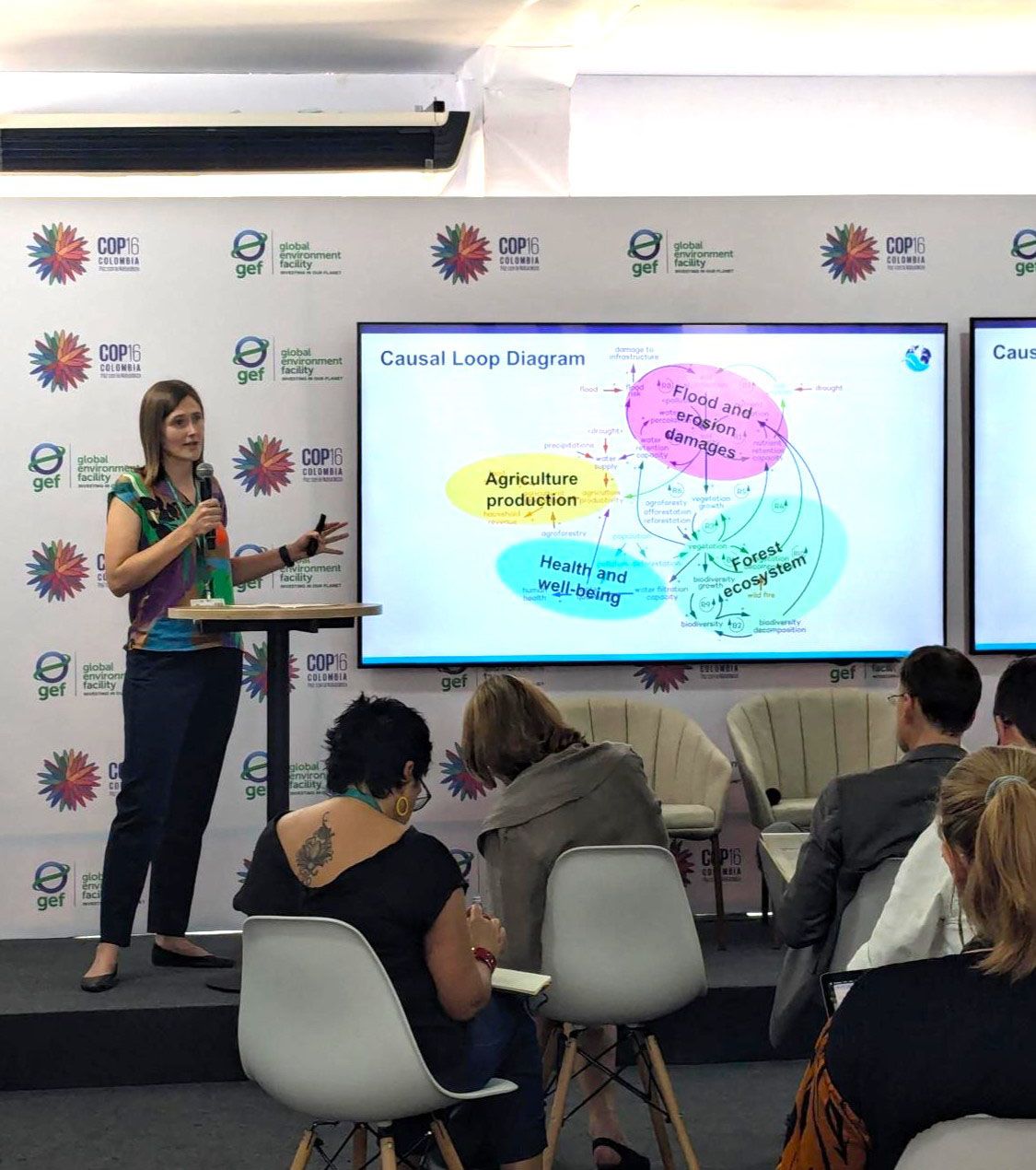
At COP 16 in Cali, Colombia, we explored “The Value of Nature-Based Solutions for Cultivating Resilient Food Systems” at the GEFPavilion, co-hosted with the International Fund for Agricultural Development (IFAD) and UNIDO.
At Building Bridges 2024 in Geneva, we explored “The State of Nature-Based Investments: Insights and New Opportunities,” with speakers from IISD, Climate Asset Management, Qarlbo Biodiversity, and Rebalance Earth. The session highlighted strategies to scale private financing for nature-based solutions by building on lessons from forestry and regenerative agriculture.
We were also part of the NABSA Dialogues: Green Infrastructures for Urban Resilience during Building Bridges 2024, where we explored how to scale private investment in NBI for climate-resilient cities.

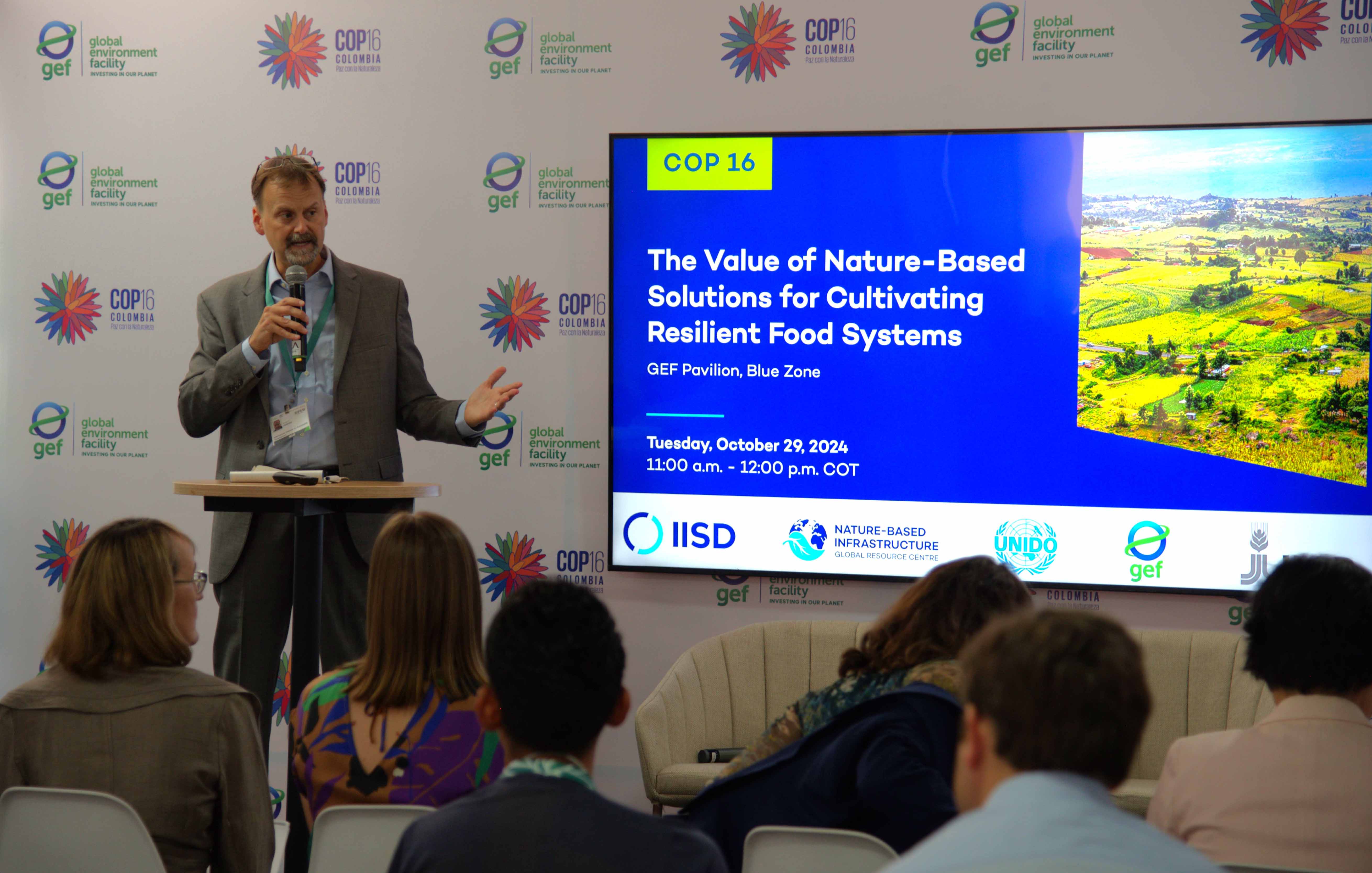

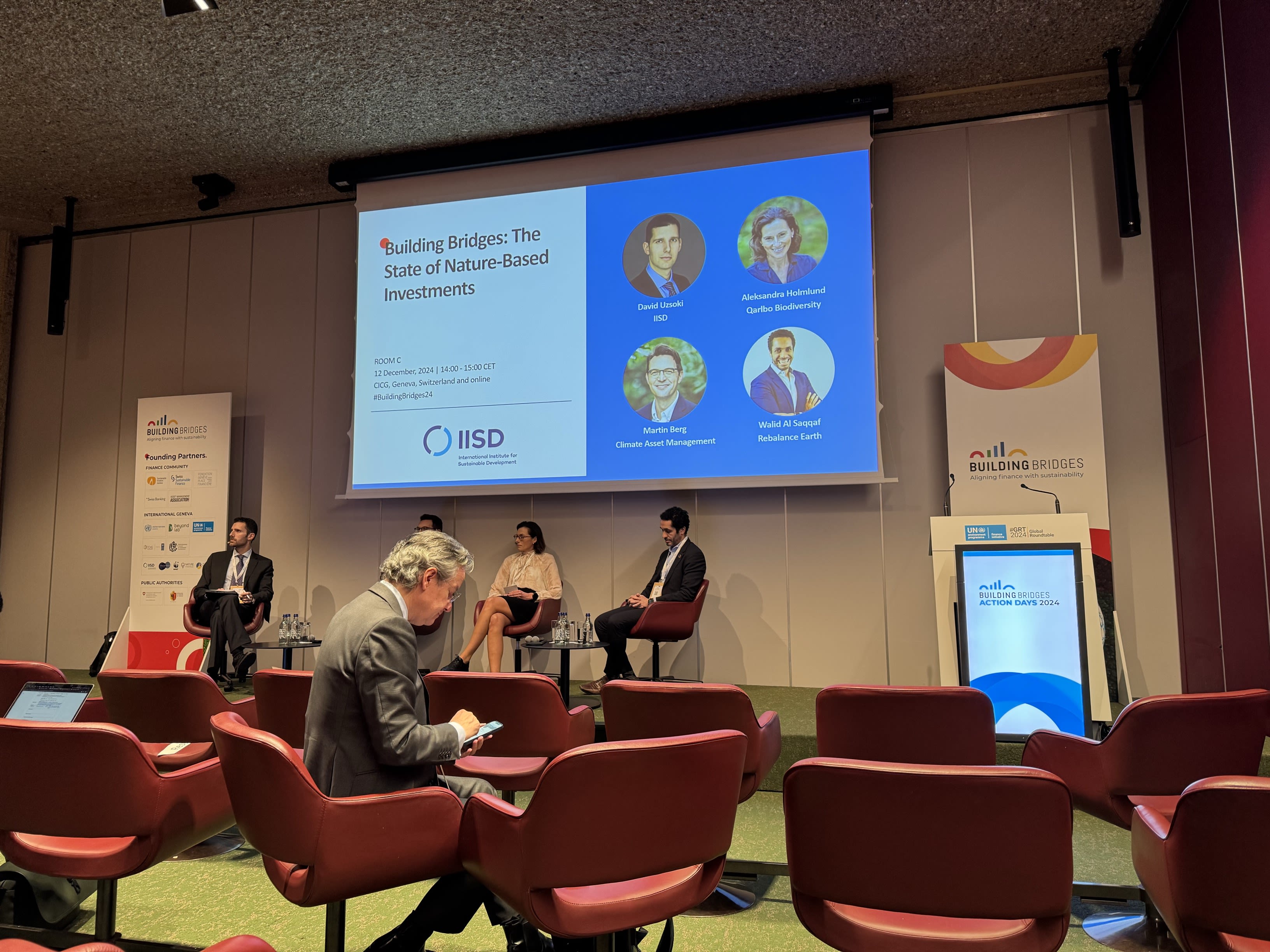

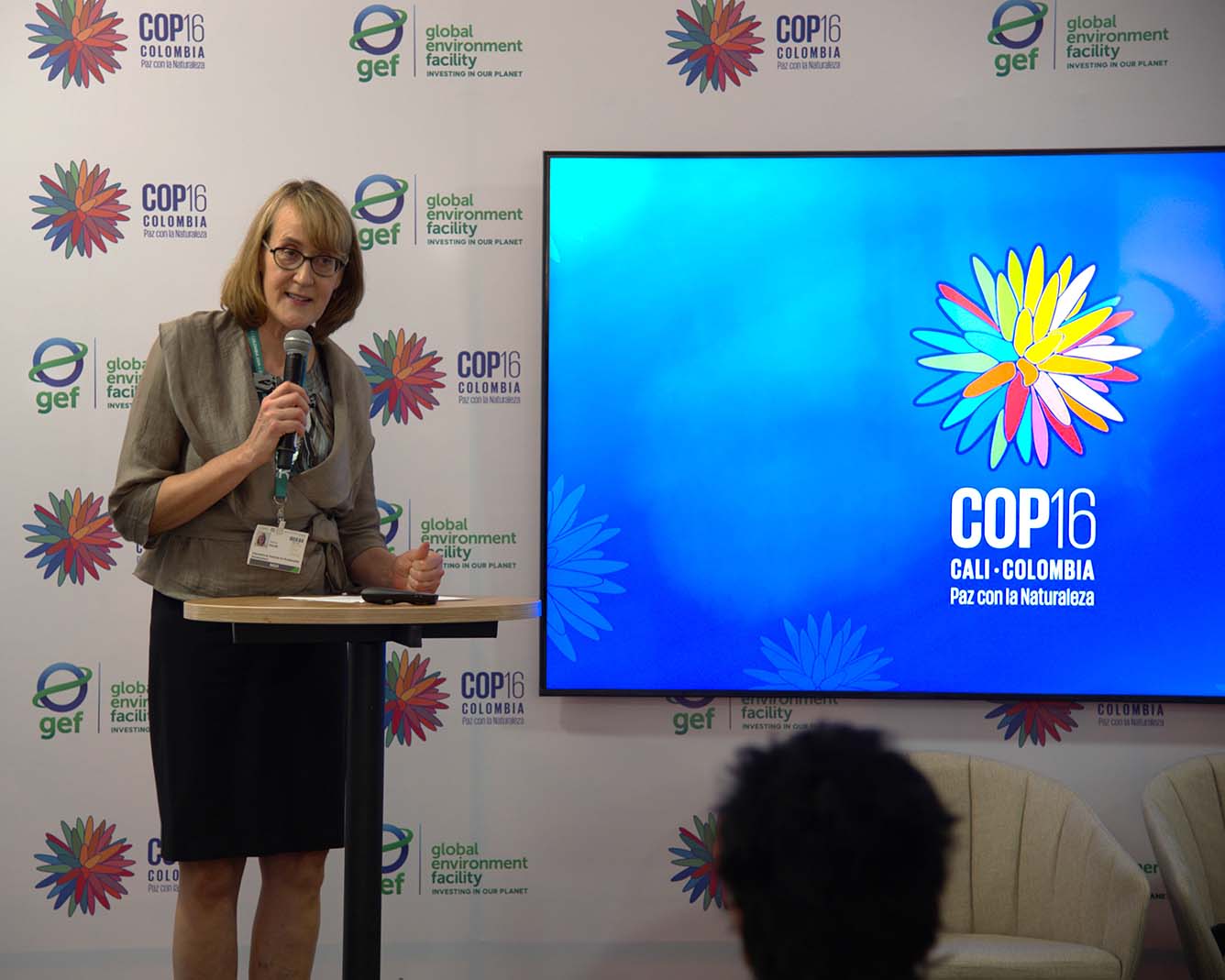
At COP 16, the NBI Global Resource Centre underscored how NBI can drive climate and biodiversity solutions.
“IISD’s work demonstrates the investment potential of NBI, for example in agroforestry. At COP16, we launched two new cost-benefit analyses in Kenya and Eswatini, showing how NBI can deliver climate resilience, biodiversity gains, and sustainable livelihoods. If we are serious about achieving the Global Biodiversity Framework targets, we must rapidly scale up investment in nature-based infrastructure.”
Patricia Fuller, President and CEO, International Institute for Sustainable Development
Our work has been included in a number of publications and media outlets
FEATURED: Becoming a city in the forest: Catalyzing Kigali’s climate resilience through nature
Year One of SUNCASA Progress: Lessons in Nature-Based Solutions
Kigali Launches #Igiticyanjye Community Tree Planting Campaign in Collaboration with SUNCASA Project
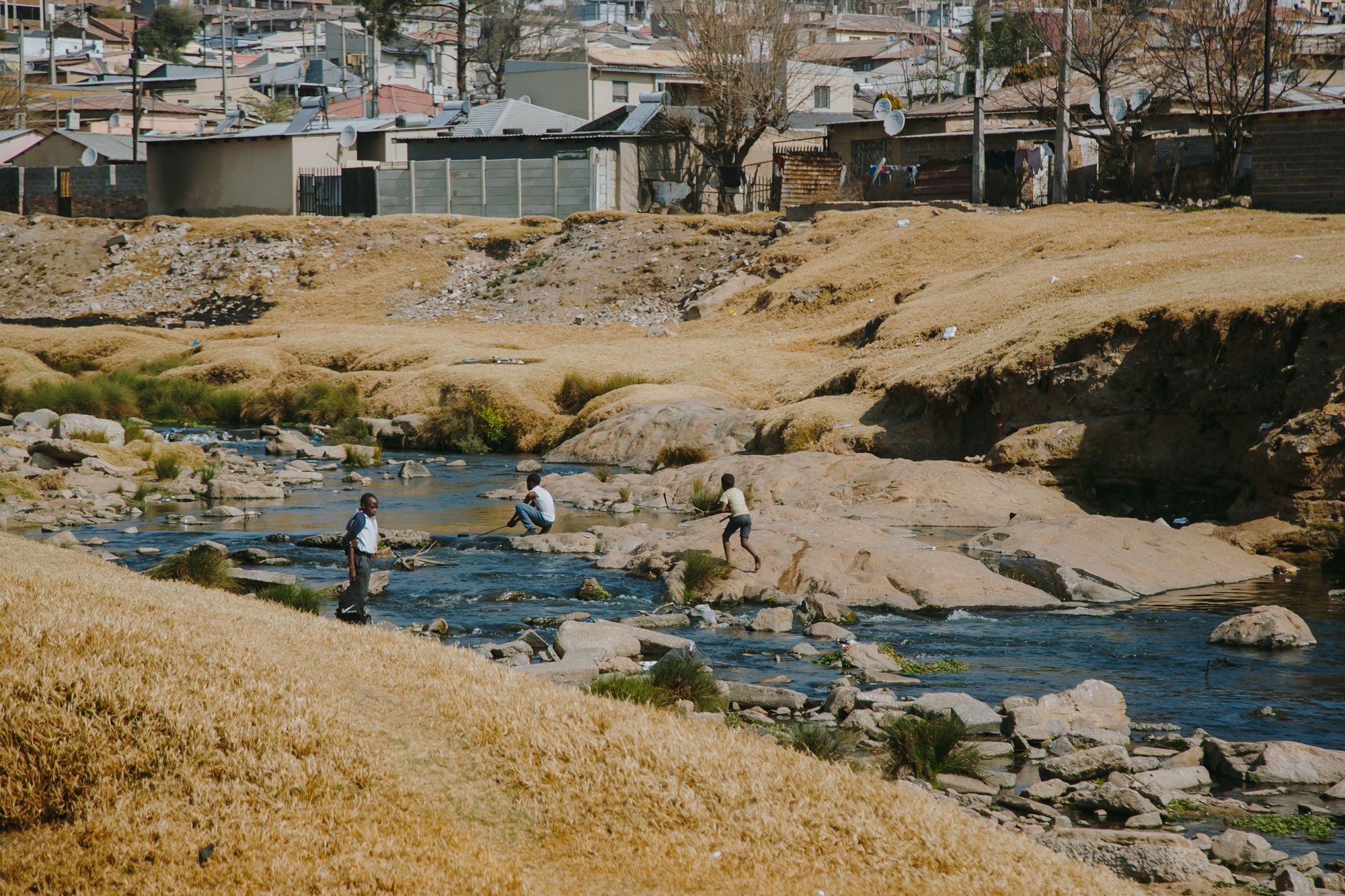
Alexandra Water Warriors are reviving Joburg’s Jukskei River

Our communications efforts this year include:
- 4,000 followers on LinkedIn
- 15,000 users on our website



We have five key priorities for the year ahead:
- Continuing to work with partners to assess NBI interventions around the world.
- Developing the NBI database to make data as comprehensive and accessible as possible.
- Expanding our financing analysis to help stakeholders construct an approach to NBI investment.
- Incorporating gender-disaggregated data to create a fuller picture of the costs and benefits of NBI.
- Delivering customized in-person training with our in-country partners.
We are working hard to make 2025 a success!



Stay up to date
Visit our website, subscribe to our newsletter or follow us on LinkedIn to find out more and support the NBI Global Resource Centre.


 Built with Shorthand